Leadership in education shapes nation’s future, says Gavoka
Mr Gavoka said learning together was a leadership imperative in today’s rapidly changing environment.
Thursday 29 January 2026 | 13:30

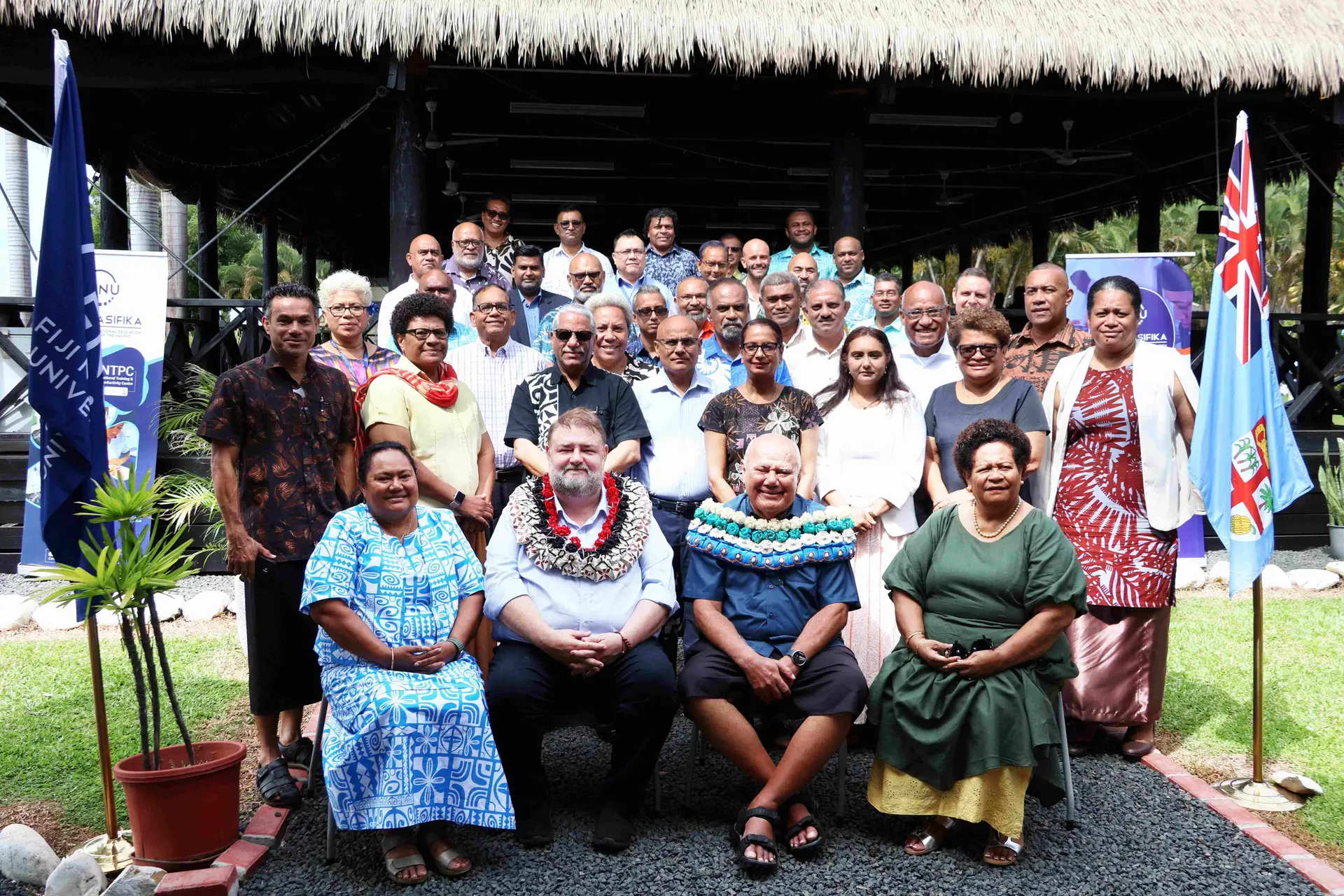
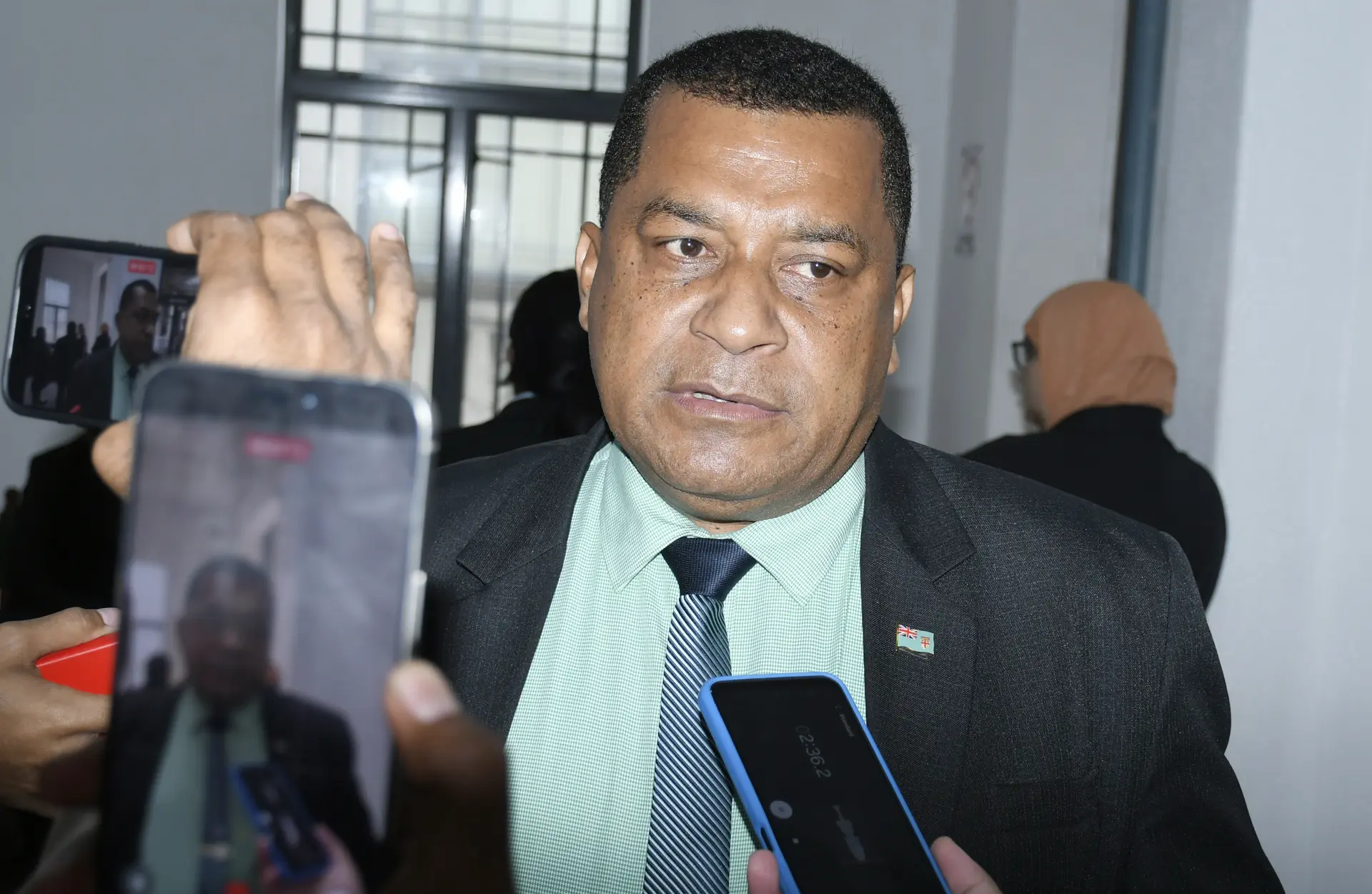
Minister for Tourism and Civil Aviation Viliame Gavoka with FNU boardmembers.
Photo: FNU
The quality of leadership within Fiji’s education system directly influences leadership across the economy and society, says Minister for Tourism and Civil Aviation Viliame Gavoka.
Mr Gavoka made the comments at the Fiji National University (FNU) Vice-Chancellor’s Forum, Learning Together, held at the Namaka campus on Wednesday.
He said learning together was a leadership imperative in today’s rapidly changing environment.
Related stories
“That is why forums such as this matter. They provide a space for reflection, alignment and shared purpose among those entrusted with guiding our most important institutions,” Mr Gavoka said.
He said the theme Learning Together spoke directly to the nature of modern leadership.
“Leadership today is no longer defined by hierarchy alone. It is defined by collaboration, adaptability and a commitment to continuous learning,” he said.
“Learning together means learning across disciplines, across institutions and across sectors. It requires leaders to foster environments where ideas are shared openly, innovation is encouraged, and learning becomes part of everyday leadership practice — not an occasional exercise.”
Mr Gavoka said the work of leaders in tertiary institutions extended well beyond campus boundaries.
“The decisions made here influence industries, communities and future generations of Fijians. When leaders come together to learn, reflect and collaborate, institutions are strengthened — and when institutions are strengthened, the nation moves forward,” he said.
Aligning education with national priorities
Mr Gavoka said alignment between education and national development priorities was critical as Fiji advanced its growth agenda.
“This is particularly true in key growth sectors such as tourism, civil aviation, transport services, digital innovation and sustainability,” he said.
“Employers today are seeking graduates who are not only technically competent, but adaptable, service-oriented and capable of leadership in dynamic environments.”
He said strong partnerships between universities, industry and government were essential to ensure education remained relevant and responsive to labour market needs.
Na Vualiku tourism programme
Mr Gavoka highlighted the Government’s Na Vualiku Tourism Development Programme, supported by the World Bank, as an example of the importance of skills development.
“From the outset, Na Vualiku was designed on the understanding that skills development is a strategic enabler, not a secondary consideration,” he said.
“I want to be clear — none of this infrastructure will deliver its full value unless we invest in our people. Tourism assets do not operate themselves. They must be built, maintained, managed and continuously improved.”
Leadership in a time of change
Mr Gavoka said tertiary institutions were operating in an environment of constant change, driven by technological disruption, evolving student expectations and global competition.
“In such times, effective leadership is defined not by certainty, but by clarity of purpose,” he said.
“Strong leadership teams lead with values, communicate transparently and empower their people to innovate and adapt.”