Natabua students challenged to lead environmental change
Students will sort waste, promote recycling and support sustainability efforts under a new school programme.
Thursday 25 June 2026 | 15:00
Updated 25 June 2026 | 17:03 FJT

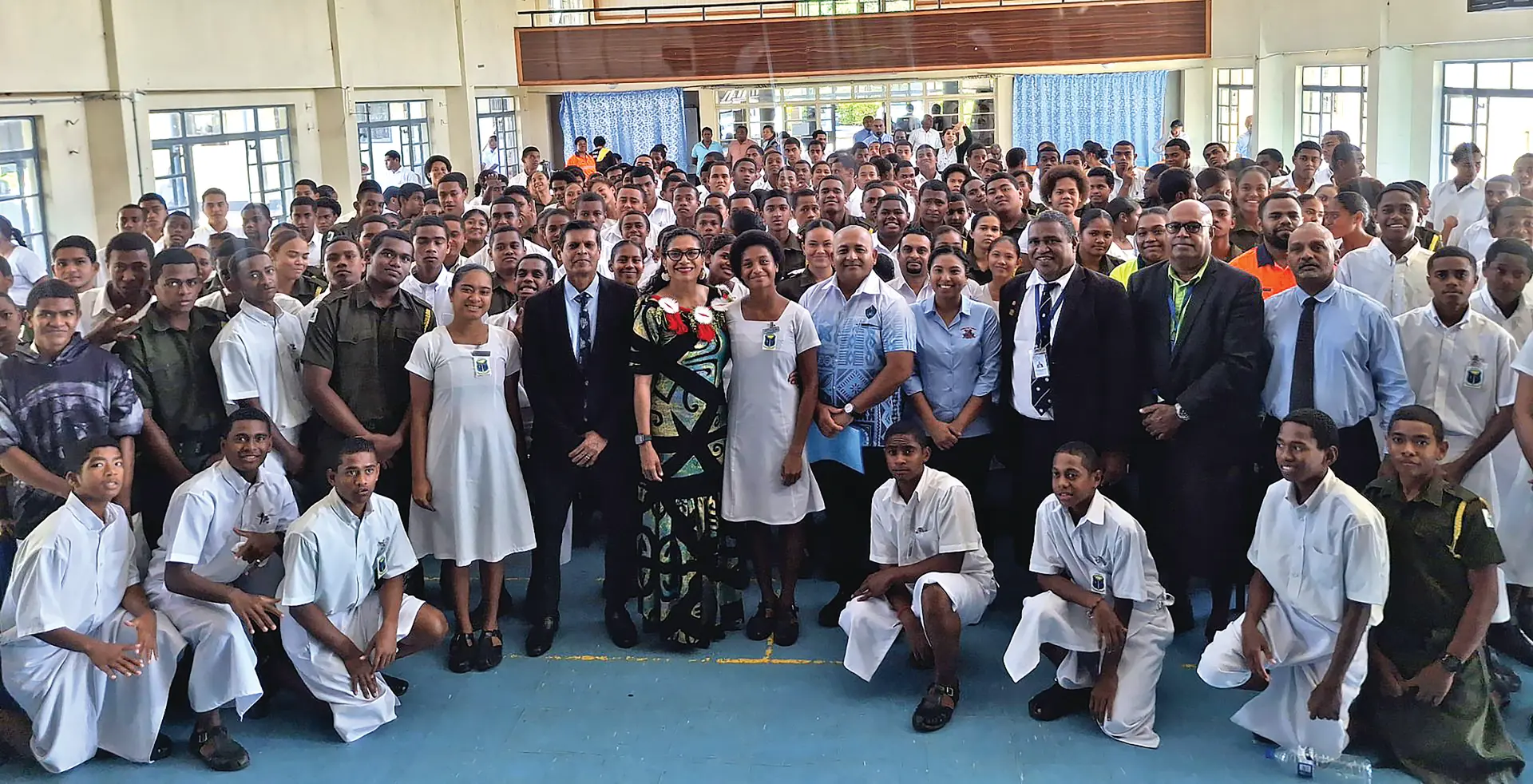
Minister for Information, Environment and Climate Change, Lynda Tabuya, Shalend Singh, Head of Health Services at the Lautoka City Council, Virendra Sharma Ba and Lautoka municipal council members and Natabua High School students during the launch of the School Waste Management programme on June 24, 2026.
Photo: Mereleki Nai
Students of Natabua High School (NHS) are being encouraged to become active drivers of environmental change following the launch of a comprehensive school Waste Management Programme in the Western Division.
The initiative was officially launched yesterday by Minister for Information, Environment and Climate Change Lynda Tabuya.
Ms Tabuya highlighted the important role students play as current and future leaders in environmental protection.
Related stories
The event celebrated the school's ongoing commitment to sustainability, discipline and community leadership, while also addressing broader environmental challenges such as plastic pollution, climate change and the impacts of improper waste disposal.
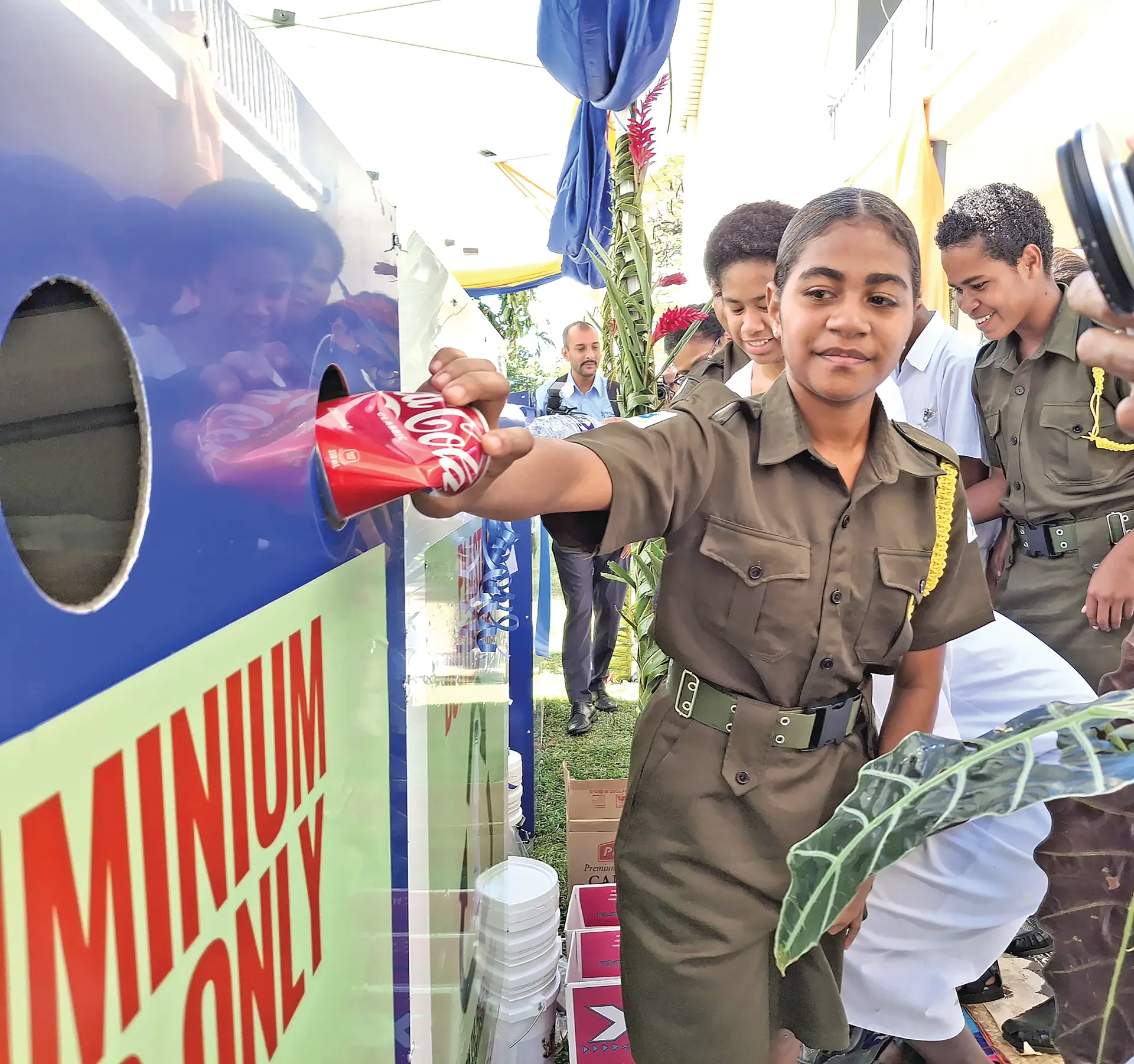
A Natabua High School student putting trash in the bin during the launch of the School Waste Management programme on June 24, 2026.
Photo: Mereleki Nai
Ms Tabuya said the partnership between the Ministries of Environment, Education and Local Government aims to establish Natabua High School as a model school for waste management and environmental stewardship.
“Students will actively participate in the new Waste Management Programme by sorting waste into designated bins for plastics, aluminium cans, general waste and compost,” she said.
She said the school community would also promote the Return and Earn initiative by collecting and returning plastic bottles and cans in exchange for cash rewards.
“The Ministry of Environment team will provide training on converting compost into organic fertiliser for schools and home gardens,” Ms Tabuya said.
She added that the school would work towards qualifying for future Green Awards by maintaining high standards of cleanliness and sustainability.
Examples from Nasinu were shared during the event, where some children earned between $20 and $50 from individual collections, demonstrating the programme's potential benefits.
Ms Tabuya stressed that everyone, particularly students, had a responsibility to model proper waste disposal practices.
She linked littering and poor waste management to increased flooding, especially during the cyclone season, and encouraged students to advocate for cleaner communities.
Ms Tabuya also urged students to practise waste segregation at home and teach their families the importance of responsible waste management.
She highlighted the importance of maintaining a clean environment in the Western Division, noting that Fiji's tourism industry depends heavily on visitors' perceptions of cleanliness.
Lautoka City Council Health Services head Shalend Singh described the initiative as an investment in the future and environmental sustainability.
Mr Singh said the Return and Earn programme had collected 4.2 million bottles and paid out more than $200,000 to members of the public.
He also revealed that 872 litter infringement notices had been issued since August last year as part of ongoing efforts to improve waste management and discourage littering.
The launch marks a significant step in promoting environmental responsibility among young people and strengthening community participation in sustainable waste management practices.