Urban children losing connection with nature, conservationist warns
NatureFiji-MareqetiViti director says climate adaptation begins with changing attitudes towards the environment.
Monday 22 June 2026 | 10:30
Updated 22 June 2026 | 11:36 FJT

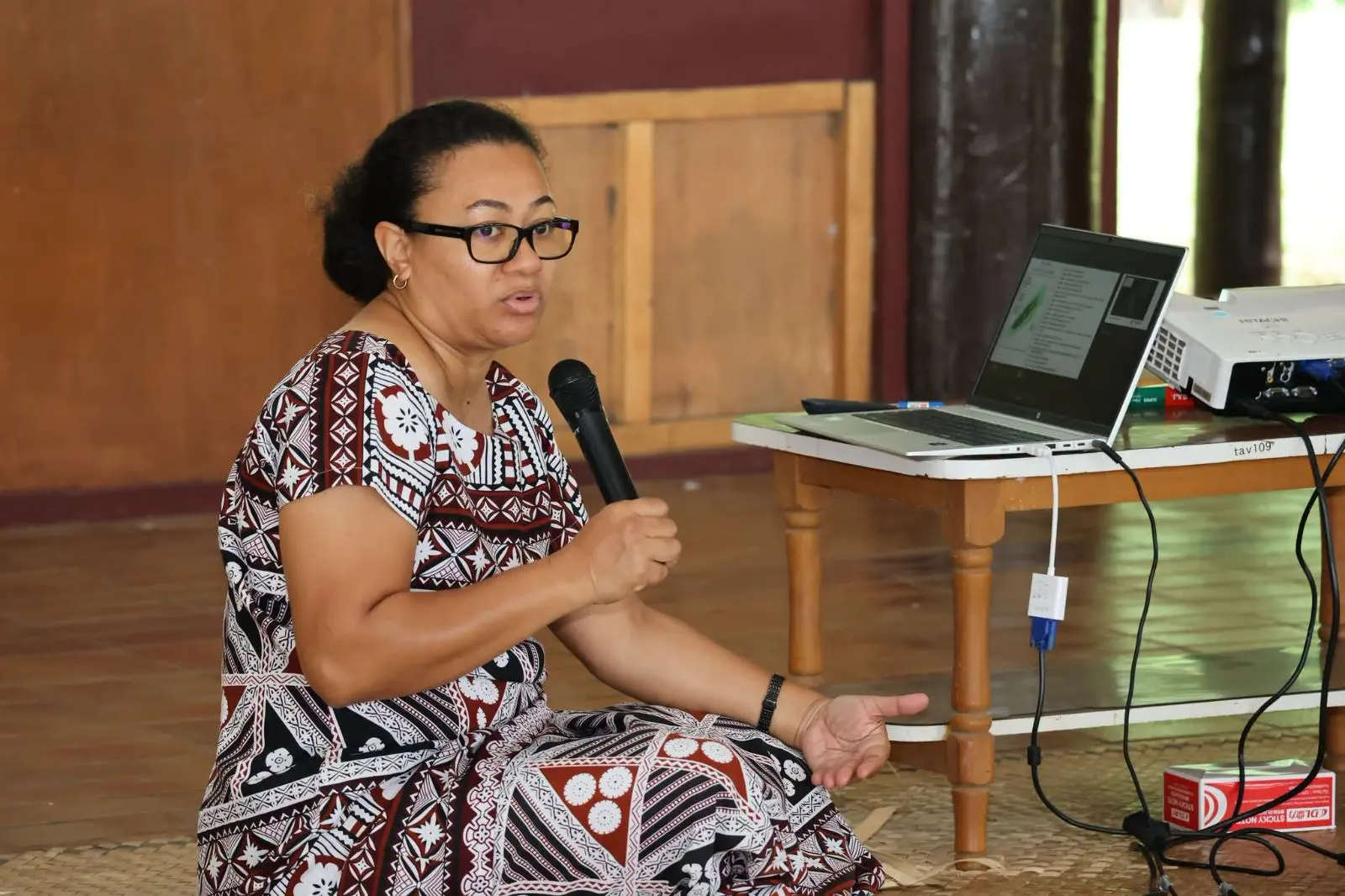
NatureFiji-MareqetiViti director Nunia Thomas-Moko during the consultation at Ramada Hotel in Labasa on June 15, 2026.
Photo: Shratika Naidu
Urban children are becoming increasingly disconnected from Fiji's plants, animals and traditional ecological knowledge, a leading conservationist has warned.
This raises concerns about the future of environmental protection in the country.
NatureFiji-MareqetiViti director Nunia Thomas-Moko said many young people, particularly in urban areas, were losing their connection with the natural world as fewer families spent time exploring forests, rivers and other natural environments.
Related stories
Speaking during consultations on Fiji's Seventh National Report to the Convention on Biological Diversity at the Ramada Hotel in Labasa last week, Ms Thomas-Moko said the growing disconnect could have long-term consequences for conservation efforts.
"It's not just the loss of traditional ecological knowledge; it's the loss of our connection with nature. We don't even know what we have," she said.
Ms Thomas-Moko said children needed to understand and appreciate Fiji's rich biodiversity if they were to become future custodians of the environment.
"If children don't know the total number of animals and plants in Fiji and their names, how can they keep nature alive and reconnect with our culture?" she said.
She urged parents to take a more active role in helping children learn about nature, saying simple activities could make a significant difference.
"It's the little things that count, such as children knowing how to grow their own food, understanding the type of soil in their backyard gardens and visiting places with their parents to learn about nature," Ms Thomas-Moko said.
Drawing on observations from recent visits to schools in Viti Levu, she said students in rural communities often demonstrated a stronger understanding of local plants and animals than their urban counterparts.
She suggested that urbanisation and changing lifestyles were contributing to the loss of environmental awareness among young people.
"My advice to parents is to find opportunities to take their children to places where they can learn about nature and allow older generations to pass on their knowledge," Ms Thomas-Moko said.
While the consultation focused on biodiversity, Ms Thomas-Moko said reconnecting children with nature was also important in building resilience to climate change.
"If we want to prepare ourselves for the impacts of climate change, it's our behaviour that needs to change," she said.
"We will be able to survive the impacts of climate change if we change how we view the environment and better understand what development means."