Northern communities already living climate impacts, says Minister Tabuya
Minister says local experiences are critical to shaping national climate policies.
Thursday 21 May 2026 | 17:30
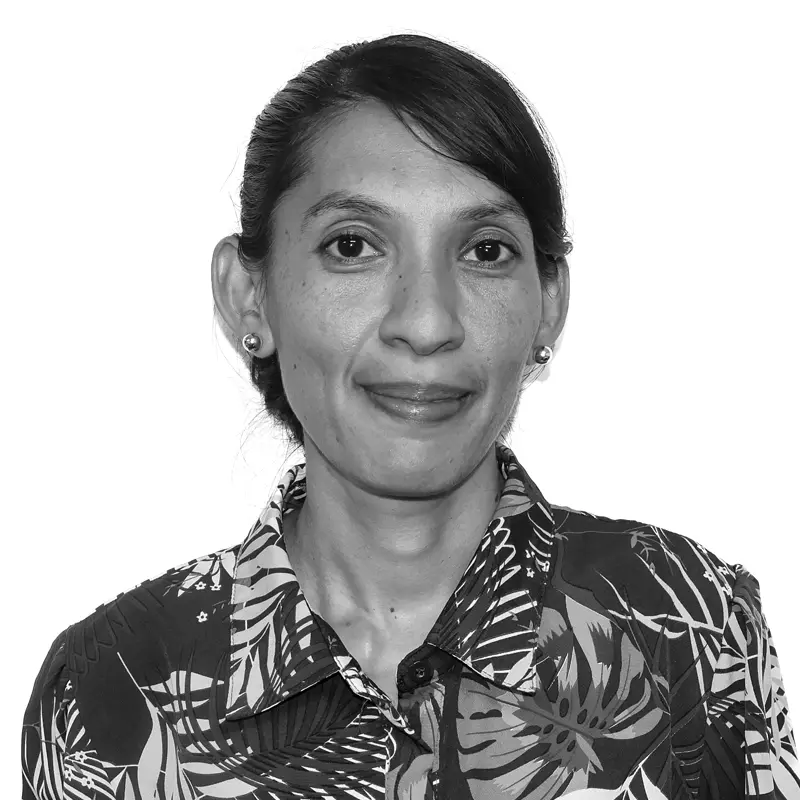
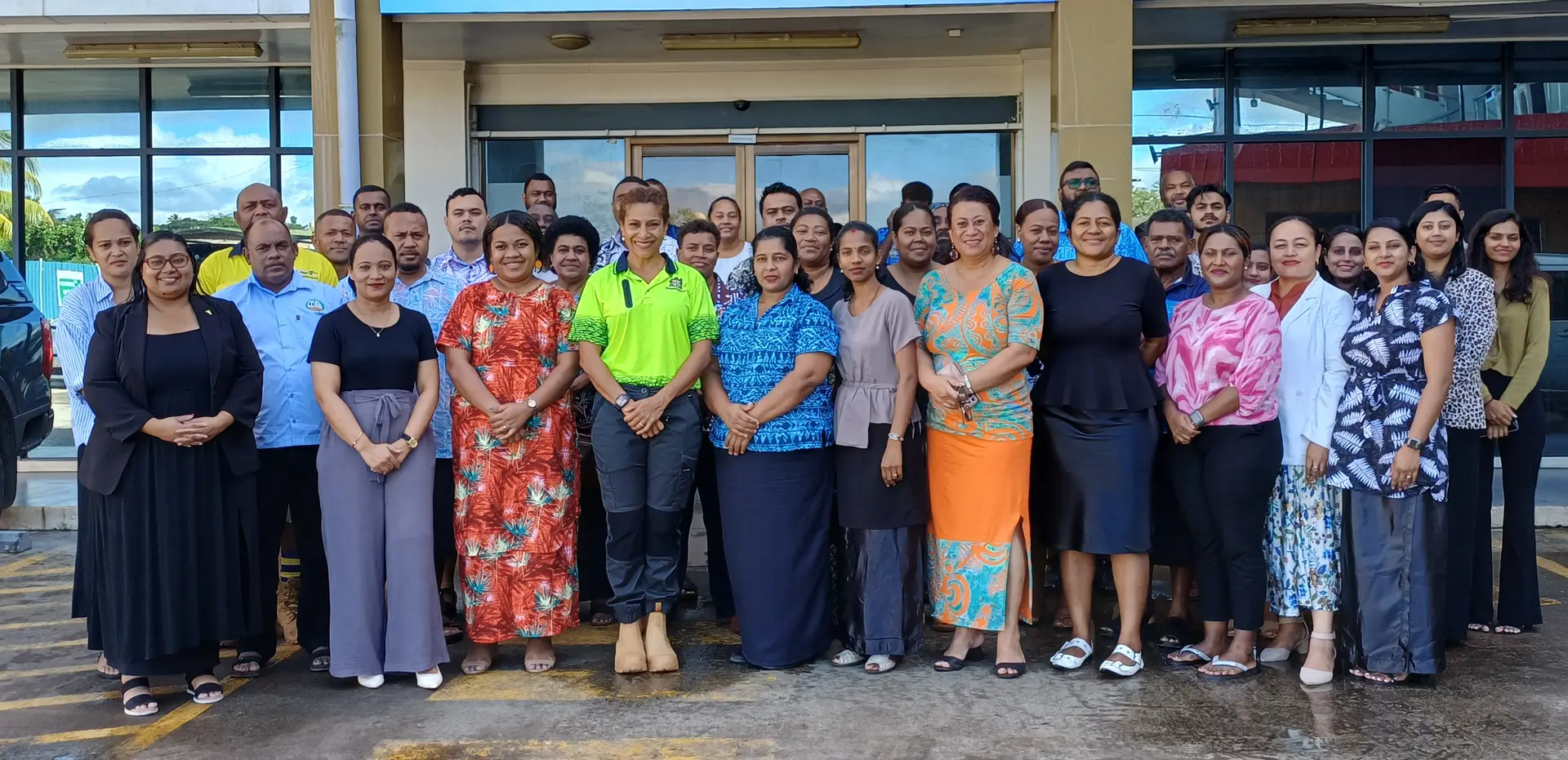
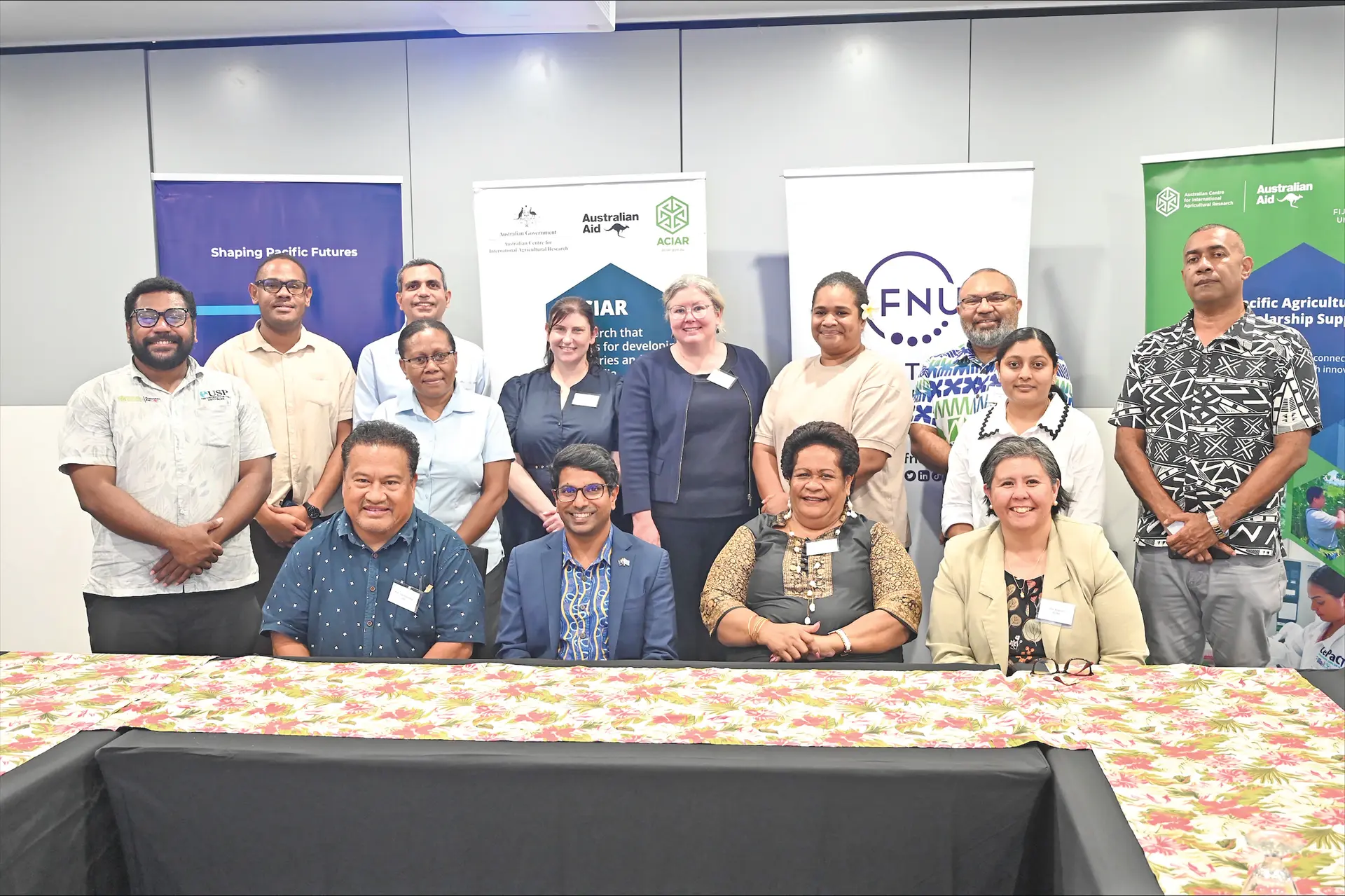
Minister for Environment and Climate Change, Lynda Tabuya (wearing garland) with the participants gathered at Galaxy Hotel and Apartments in Labasa on May 21, 2026.
Photo: Shratika Naidu
National climate planning cannot be developed only from Suva and must reflect the realities faced by communities across all divisions, says Minister for Environment and Climate Change Lynda Tabuya.
Ms Tabuya made the comments while opening Fiji’s Third Nationally Determined Contribution (NDC3.0) and Costed Implementation Plan (CIP) divisional stakeholder consultation workshop for the Northern Division at the Galaxy Hotel in Labasa today.
“You know which communities are exposed and which solutions are already working,” Ms Tabuya told participants.
Related stories
“This is how we ensure that Fiji’s NDC3.0 is not only a commitment to the world, but a promise delivered to our people.”
She described the consultation as an important step in Fiji’s climate journey.
The ministry has already submitted Fiji’s NDC3.0 to the United Nations Framework Convention on Climate Change Secretariat.
“In the Northern Division, you do not need anyone to explain climate change because our communities are already living with it,” Ms Tabuya said.
“Families are cleaning up after floods, farmers are dealing with changing rainfall patterns and pressure on crops, while coastal and river communities are facing increasing erosion and flooding risks. Fishing communities are also noticing changes in the sea.”
She said infrastructure such as drains, bridges, schools, health facilities and homes continued to be tested by stronger cyclones and increasingly unpredictable weather.
Ms Tabuya said the NDC3.0 focused on food and water security, livelihoods, reliable roads, productive farms, protected coastlines and safer communities.