Serious concerns raised over proposed Vuda waste-to-energy project
The foundation is seeking clarity on the type of waste feedstock the proposed facility would process, including whether it would handle municipal waste, plastics, organics or industrial waste.
Wednesday 14 January 2026 | 12:30

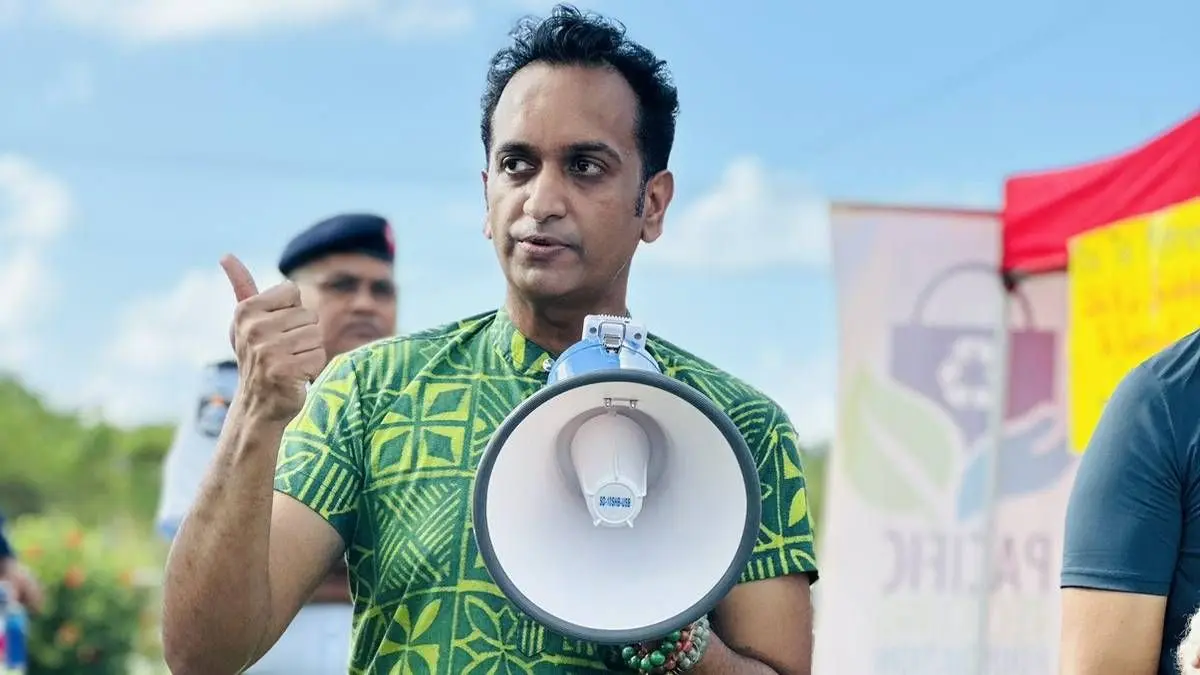
The Pacific Recycling Foundation (PRF) has raised serious concerns about the proposed waste-to-energy project at Vuda Point, warning that without strict safeguards the initiative could undermine recycling, threaten livelihoods and expose Fiji to long-term environmental, social and health risks.
PRF founder Amitesh Deo said recycling must remain the cornerstone of Fiji’s waste management system.
“Any waste-to-energy project must complement recycling — not compete with it or replace it,” Mr Deo said.
Related stories
“With recycling rates already extremely low in Fiji, diverting recyclable materials into energy recovery would be a step backwards, not progress.”
PRF cited international experience, including guidance from the European Environment Agency, which shows that energy-from-waste facilities can suppress recycling growth if not strictly limited to residual waste only — a risk that is even greater for small island developing states like Fiji.
The foundation is seeking clarity on the type of waste feedstock the proposed facility would process, including whether it would handle municipal waste, plastics, organics or industrial waste.
PRF said it was critical that any waste-to-energy facility be restricted to residual waste only, after all recyclable and compostable materials have been removed, in line with the reduce–reuse–recycle hierarchy.
It is also calling for transparency on how recycling would be prioritised while the plant operates, and what pre-processing and sorting systems would be in place to ensure materials such as plastics, metals, glass, paper and organics are not diverted to energy recovery.
“In Fiji, most household and commercial waste is collected as mixed waste and transported straight to landfills and dumpsites, with little to no sorting,” Mr Deo said.
“If a waste-to-energy facility depends on waste for the next 20 or 30 years, the risk of recyclables being fed into the plant is extremely high under our current system. Without major upstream changes, recyclables will inevitably be sacrificed just to keep the plant running. That cannot be allowed to happen.”
PRF said waste incineration can only work within a national waste system where strict conditions already exist, including enforced waste segregation at source, strong incentives to increase recycling, and consistent demand for both heat and power.
Without these conditions, the foundation warned that waste-to-energy projects risk locking countries into systems that draw in mixed waste, divert recyclables and undermine circular economy goals.
PRF also raised concerns about potential health and environmental impacts, including hazardous air emissions, water pollution, odour, noise and vibration affecting nearby communities.
Mr Deo said organisations already working in recycling and waste management had not been meaningfully consulted.
“For decades, grassroots recyclers have been recovering and diverting waste under challenging conditions, often filling gaps where formal systems did not exist,” he said.
“Have the people and organisations who have been managing Fiji’s waste for decades actually been consulted in a meaningful way? You cannot design a future waste system in isolation.”
PRF also questioned how the proposed project would affect Collection Pillars of Recycling (CPR) communities who rely on recovering recyclables from dumpsites for their livelihoods, and whether a social impact assessment had been conducted or would be made public.
The foundation is calling for inclusive, transparent and meaningful public consultations, involving grassroots recyclers and others already working in the sector.
PRF reiterated that recycling must come first, saying any waste-to-energy solution for Fiji must strengthen recycling systems, process residual waste only, protect livelihoods and align with the country’s long-term environmental, social and economic wellbeing.