$16M power push delayed: Rural families still waiting for electricity
Energy Fiji Limited (EFL) has received $16 million for rural electrification projects but many communities are still waiting for grid connections, a parliamentary report has revealed.
Friday 01 August 2025 | 16:00
Updated 06 August 2025 | 09:08 FJT

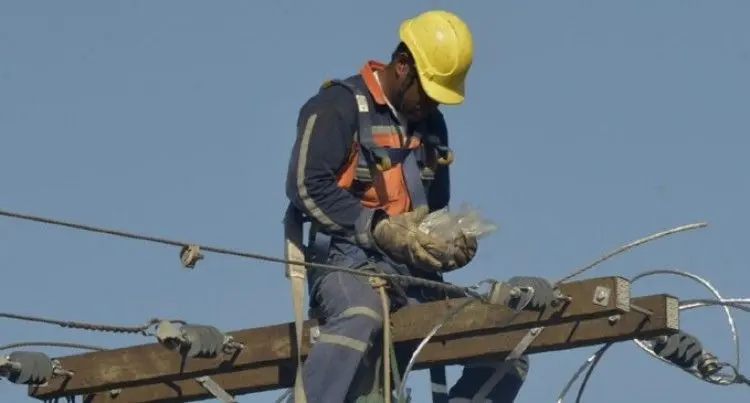
The agreement also introduces 24-hour personal accident insurance for tradespersons, including live-line linespersons, along with other negotiated benefits.
Photo: Supplied
Despite receiving $16 million for rural electrification projects, Energy Fiji Limited (EFL) has failed to deliver power connections to many communities — and now the Government is withholding further funding until answers are provided.
A new report by the Parliamentary Standing Committee on Social Affairs revealed that the Ministry of Infrastructure and Transport has little to no visibility over how EFL has spent the money.
Related stories
“We hardly receive any feedback from EFL on what we have allocated to them,” said Permanent Secretary Paula Baleilevuka.
“We are stopping any allocation to EFL until we get clarity on what is happening.”
The report detailed how some rural communities had completed internal house wiring but were still waiting for grid access because power lines had not yet reached their area.
“Sometimes we did the house wiring works, but the grid has not reached the site,” said Department of Energy Director Waisale Vulagi.
This has resulted in delays for families and frustration for contractors, who are forced to wait until infrastructure catches up.
To address the gap, the Ministry installed 2,546 solar home systems between 2018 and 2019 in maritime areas and remote highlands — regions where grid connection costs can soar above $10,000 per home.
However, this alternative solution still costs the Government around $4 million annually.
The committee has now recommended stronger oversight of EFL’s grid extension projects and called for regular, written updates on electrification progress.
National electricity access currently stands at 98 per cent, with a target of 100 per cent by 2026. However, that goal is now under threat due to budget limitations and the challenges of reaching rugged or remote areas.