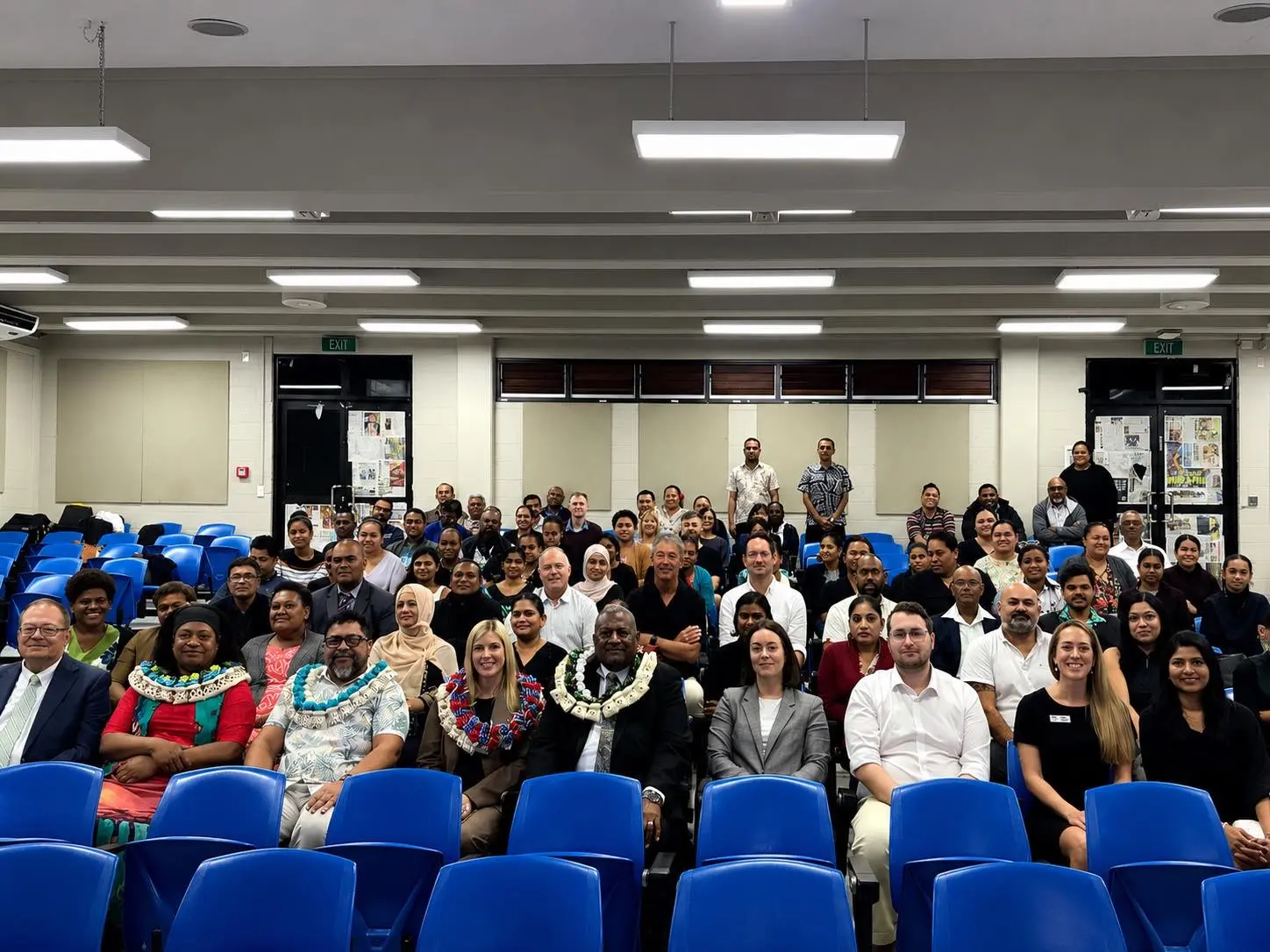
Australian‑funded disaster partnership nears crossroads in Pacific
Regional leaders meeting in Suva are reviewing the impact of the decade‑long Australian Humanitarian Partnership as its second phase comes to an end.
Wednesday 15 April 2026 | 11:00
Updated 15 April 2026 | 12:50 FJT
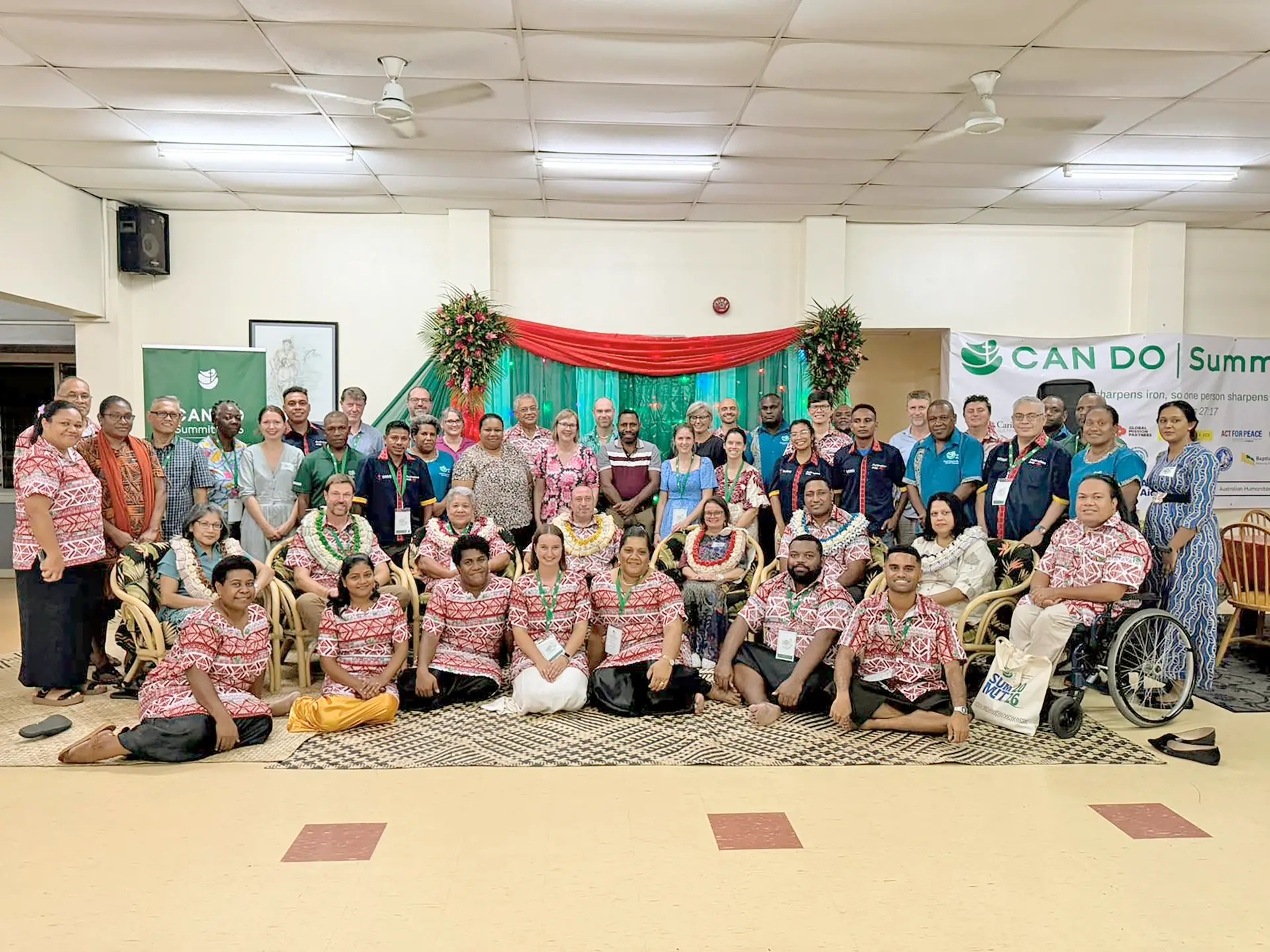
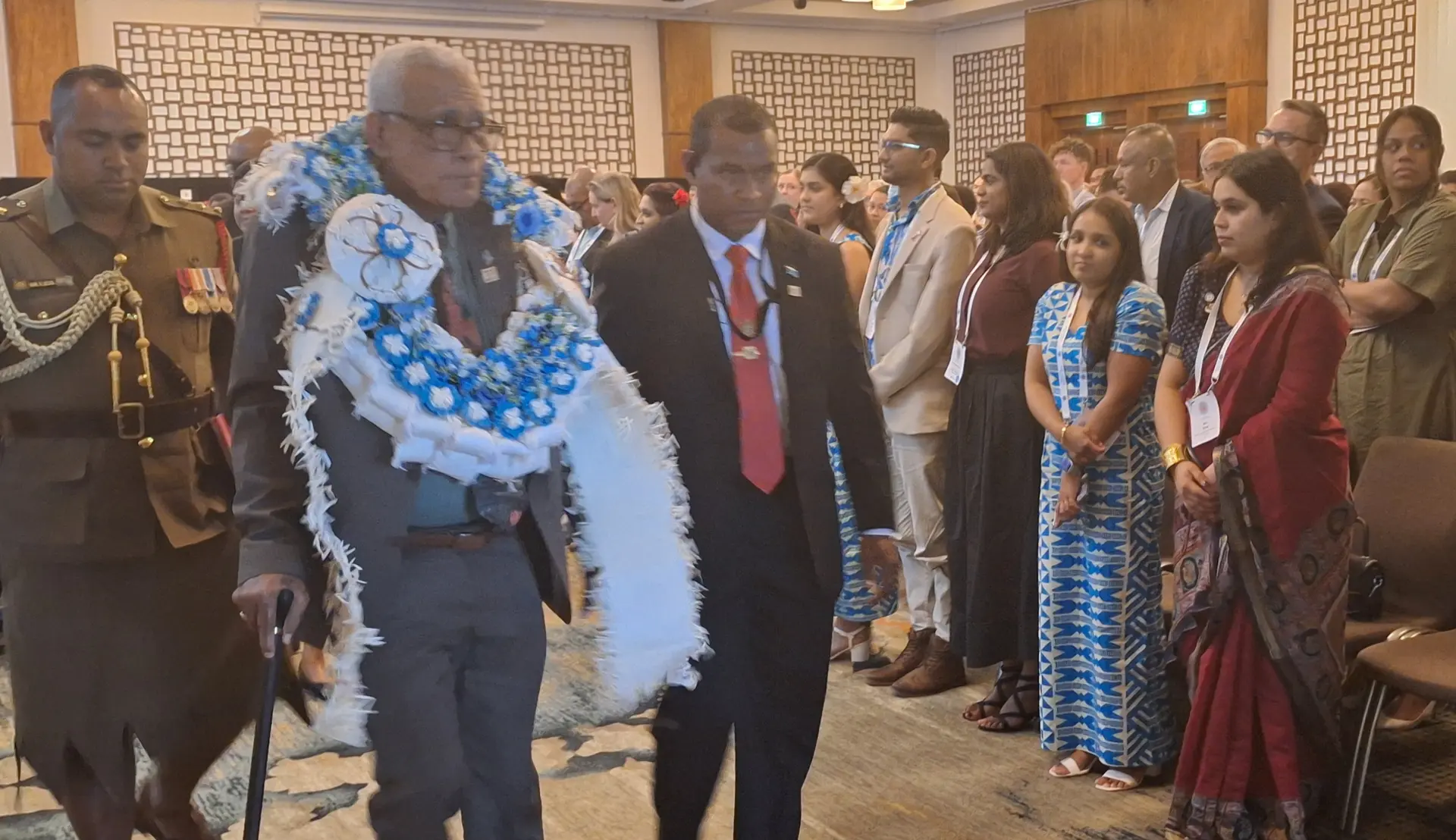
Participants from five Pacific Island nations at the Pasifika Community Fiji this week for the CAN-DO Regional Summit.
Photo: Supplied
A decade-long Australian-funded disaster partnership in the Pacific is entering a critical transition phase.
Regional leaders have gathered in Suva to decide what comes next for millions of dollars in humanitarian support.
At a summit hosted at the Pasifika University in Veiuto, representatives from five Pacific nations Fiji, Solomon Islands, Vanuatu, Timor-Leste and Papua New Guinea are reviewing the impact of the Australian Humanitarian Partnership (AHP).
Related stories
It is a 10-year programme that has shaped disaster preparedness across the region.
The Church Agencies Network Disaster Operations (CANDO) director Chey Mattner, said the meeting marks a turning point.
“The reason for this summit is recognising that we are coming to the end of phase two,” he said. “We are wanting to use this opportunity to look back, but also recognising that we have learnt a lot of lessons.”
Backed by the Australian Government, the AHP has delivered long-term, multi-year funding a rarity in humanitarian aid allowing Pacific nations to plan beyond immediate disaster response.
Nearly all funding has been directed into community-level programmes aimed at strengthening resilience before disasters strike, rather than reacting afterward.
But, as the partnership nears its end, uncertainty looms.
“There’s no guarantee,” Mr Mattner said. “But if we can demonstrate strong impact then we hope for a continuation.”
A key shift emerging from the summit is a push for Pacific-led decision-making. Instead of external agencies dictating priorities, countries are being urged to shape the future of disaster programs themselves.
“We believe it’s important to listen to the countries themselves, rather than Australia determining the future,” Mr Mattner said.
The stakes are high. The Pacific remains one of the most disaster-prone regions in the world, facing increasingly severe cyclones, rising sea levels, and climate-related emergencies.
While funding has improved preparedness, challenges remain particularly in reaching remote communities spread across islands and rugged terrain.
“In some places, you need to catch big boats, smaller boats and hike to get there,”Mr Mattner said.
As the summit continues, the focus is shifting from reflection to action with lessons learned expected to shape programme over the next 6 to 12 months.
Feedback: sosiveta.korobiau@fijisun.com.fj