Calls grow for return of corporal punishment in schools
Villagers voiced concerns over repeated curriculum changes and declining discipline.
Wednesday 04 February 2026 | 14:00

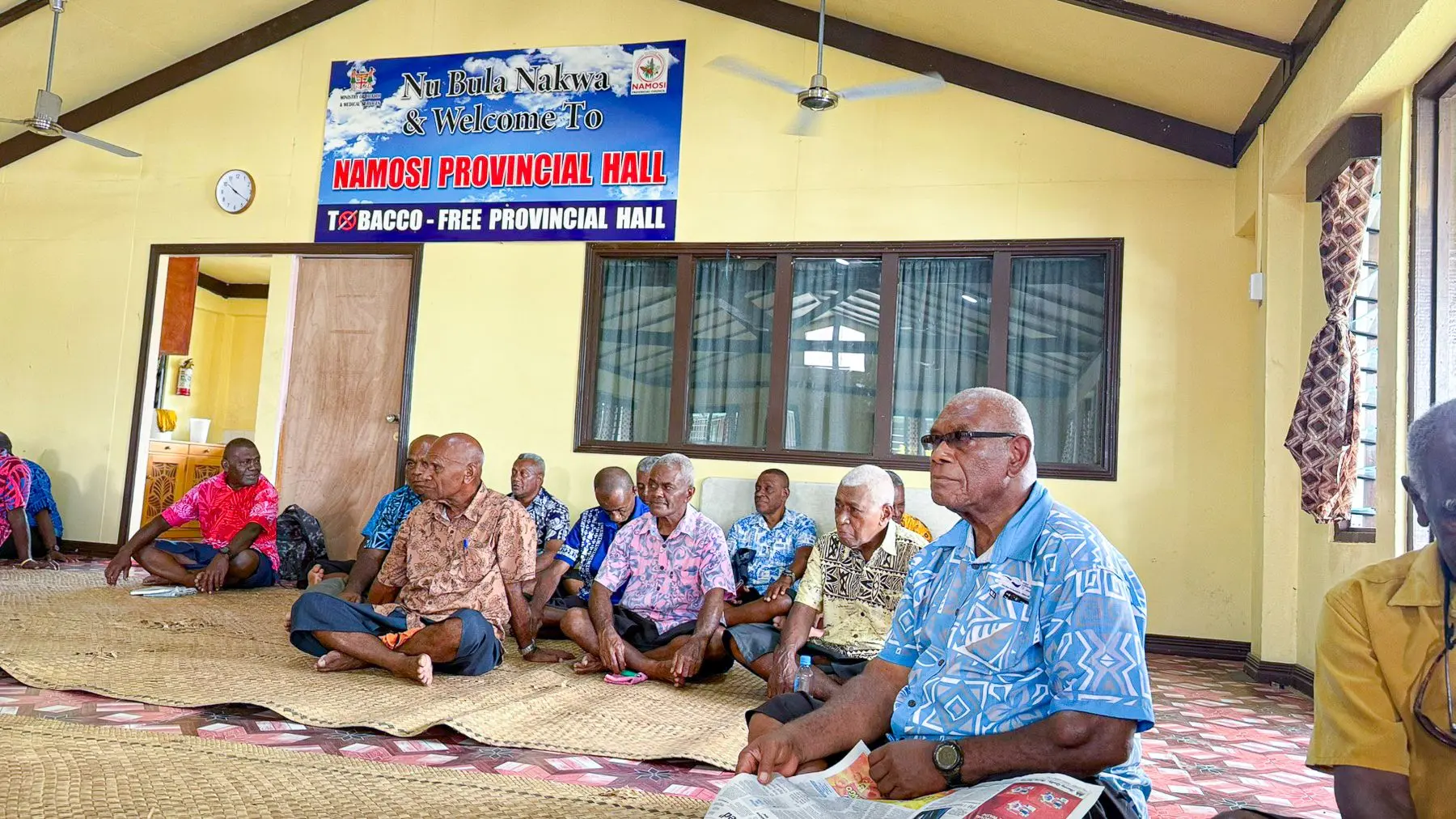
Namosi villagers voiced concerns over repeated curriculum changes, declining discipline, and teachers struggling to maintain classroom control.
Talei Roko
Fiji is facing renewed debate over corporal punishment in schools, with villagers and former teachers calling for its return to address what they say is rising student misbehaviour.
The calls conflict with United Nations guidelines, which strictly prohibit all forms of physical punishment of children.
“Students no longer respect teachers or elders,” said Petero Delasau, a retired teacher who served for 33 years in primary and secondary schools.
Related stories
“Before, students would step aside when a teacher approached. Today, that respect is gone.”
Public consultations on the proposed Education Bill, which aims to replace the 1986 Education Act, have seen education issues dominate discussions in Naitasiri and Navua.
Villagers raised concerns about repeated curriculum changes, declining discipline and teachers struggling to maintain classroom control.
Participants argued that reforms over the years have failed to address what they see as the core problem weakening schools — a lack of respect for authority.
Many urged lawmakers to prioritise discipline and respect in any new legislation.
Mr Delasau warned that without corporal punishment, Fiji’s education system risks further decline, regardless of curriculum changes.
The proposed Education Bill forms part of wider legislative reforms, which also include the Criminal Records Bill and the National Referendum Bill.








