Cartel links exposed in Fiji’s $2b meth bust
Ms Comolli said investigations indicated the involvement of a Chinese criminal syndicate and the Mexican Sinaloa cartel.
Thursday 21 May 2026 | 10:00
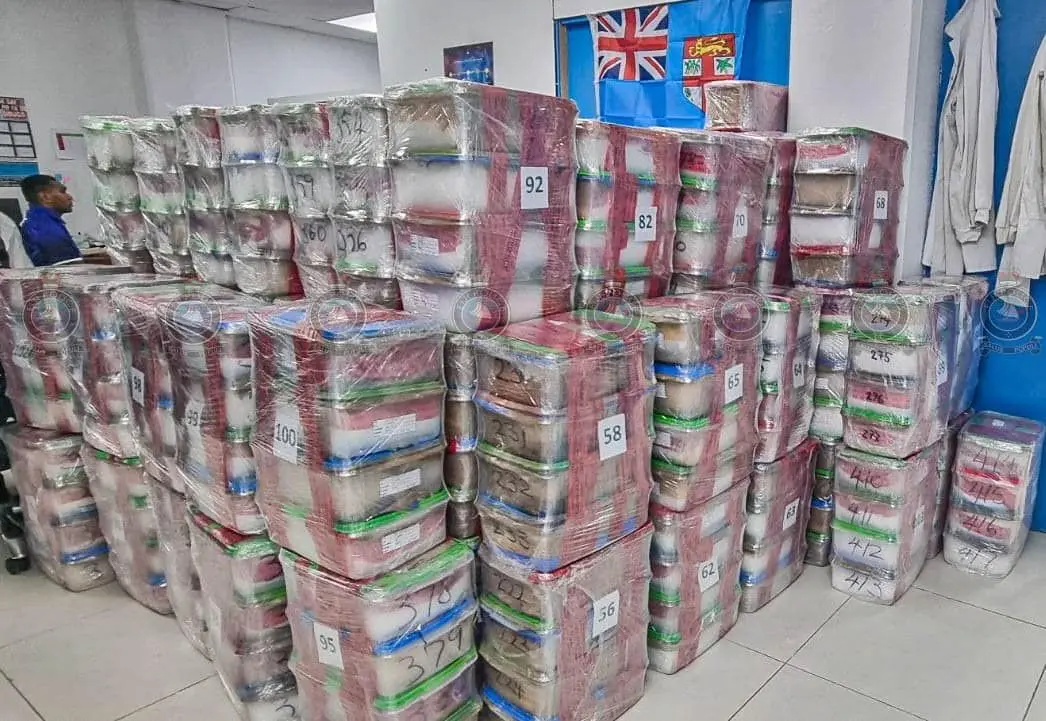
Containers of methamphetamine seized in Nadi in 2024.
Fiji Police Force
Collaborations between criminal syndicates were evident in the $2 billion methamphetamine bust in Nadi in 2024, says Head of Pacific Programme at the Global Initiative against Transnational Organised Crime, Virginia Comolli.
Speaking during an interview in Nadi yesterday, Ms Comolli said investigations indicated the involvement of a Chinese criminal syndicate and the Mexican Sinaloa cartel.
Ms Comolli made the comments while explaining the sophisticated methods used by drug cartels, including collaboration between international criminal groups.
Related stories
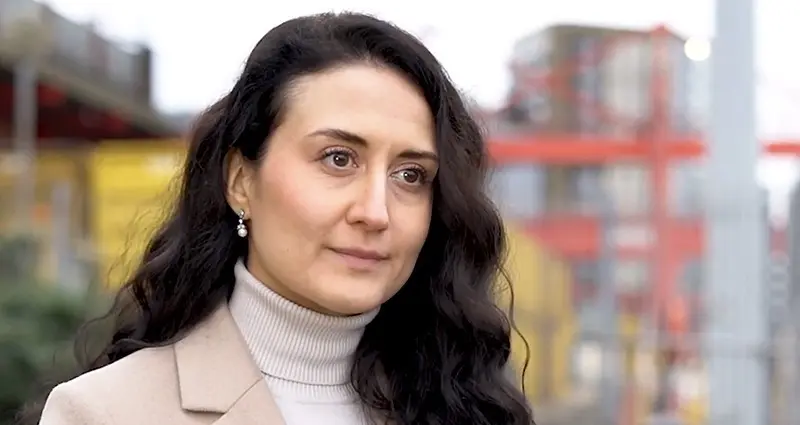
Head of Pacific Programme at the Global Initiative against Transnational Organised Crime, Virginia Comolli.
The 4.15 tonnes of meth seized in Legalega and Maqalevu was the largest drug bust in the Pacific region.
“If we take as an example the case in 2024 where Fiji recorded its largest meth seizures, the investigations pointed to the collaboration between Mexican actors, the Sinaloa cartel and Chinese syndicates,” she said.
When pressed on which Chinese criminal syndicates were involved, Ms Comolli said she was not aware of the details but referenced the involvement of the Hong Kong-based 14K triad in the Pacific.
The 14K triad is the second largest triad group in the world.
“But we know that there is a presence of some of these actors,” Ms Comolli said.
“And for me, what is very concerning is that some of the foreign actors that we see embedded within the Pacific, they are engaging in legitimate businesses, illicit activities, and they might also be used for political interference.”
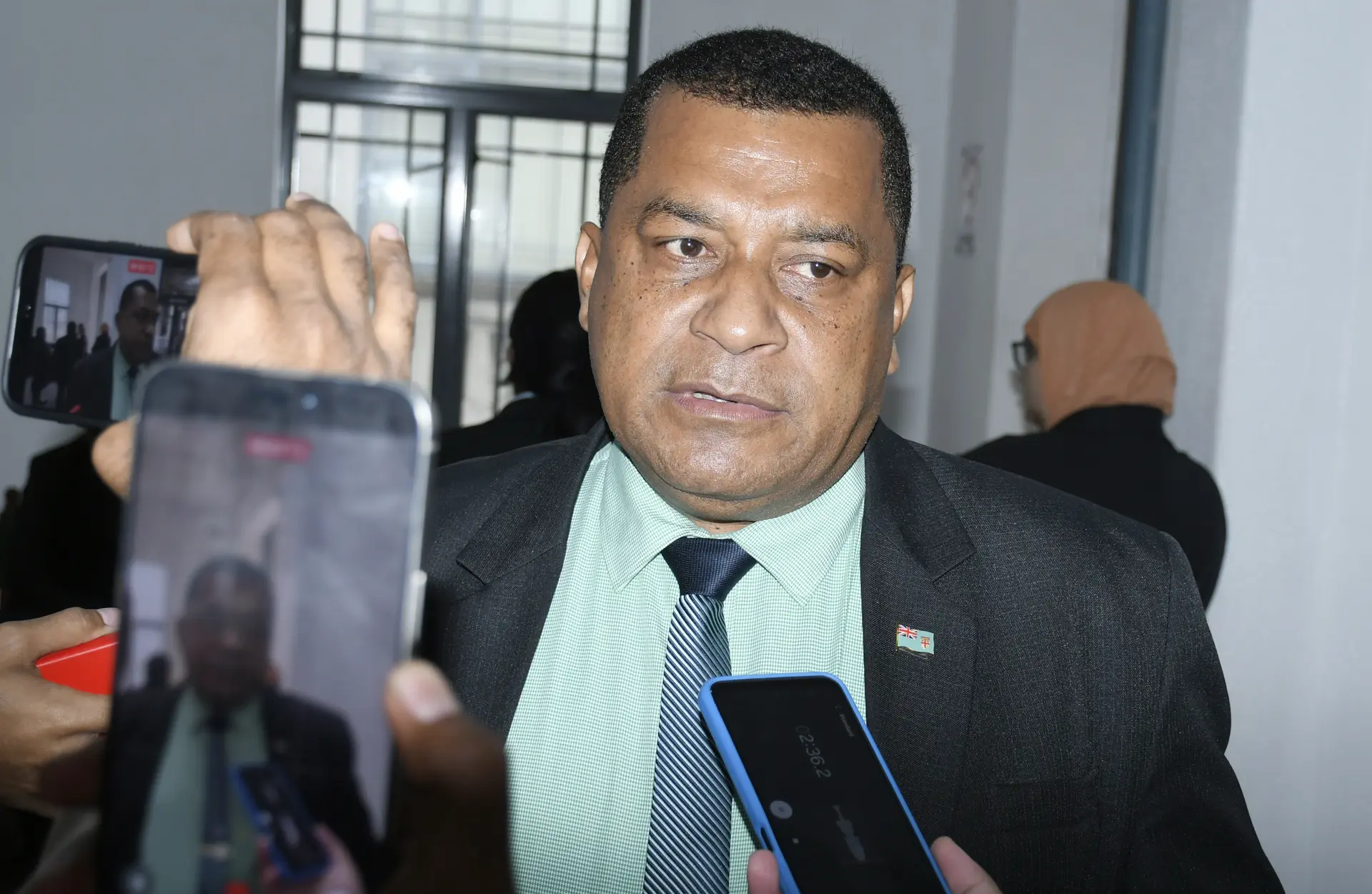
Police Commissioner Rusiate Tudravu declined to comment on the involvement of Chinese criminal syndicates, saying the matter had already been dealt with by the court.
However, he said the Transnational Crime Unit and Police intelligence officers were monitoring the involvement of the 14K triad.
“We do not have any other activities reported. But as far as I know they are being closely monitored.”
Court documents also pointed to the involvement of Sam Amine, a member of the Alameddine criminal syndicate in Australia.
Mr Amine, who is in prison in Australia, was the hidden figure allegedly financing fitness centres in Fiji.
Cartel collaboration
Traditionally, cartels fight over control of a particular territory or drug market.
However, Ms Comolli said criminal groups were now pooling their skills, expertise and knowledge together, increasing their chances of success.
“Now they are collaborating. That is a fascinating development and a very scary one.”
Referring to the Legalega and Maqalevu case, Ms Comolli said: “So you would see perhaps that the Mexicans taking charge of the first segment of the supply chain from the Americas into Fiji, let’s say, and then they would join forces with Asian or Chinese syndicates in this case who also have contacts with local facilitators, who would then deal with the movement of drugs on the ground and then would also take charge of the delivery onwards into Australia.”
Ms Comolli said the goal behind these collaborations was always profit.