Coloured meth pills emerge as new threat, police warn
Police urge teachers to help identify warning signs and support early intervention as drug threat grows.
Saturday 22 August 2026 | 05:00

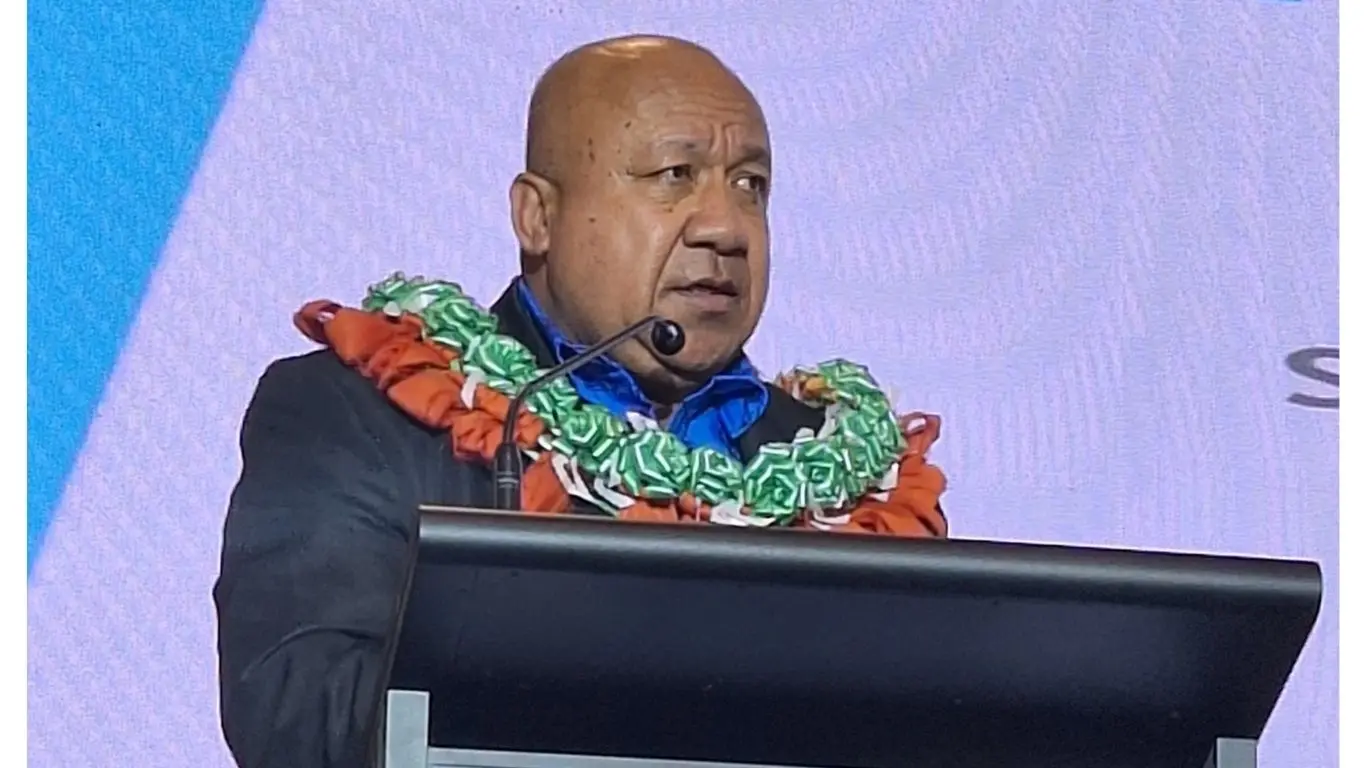
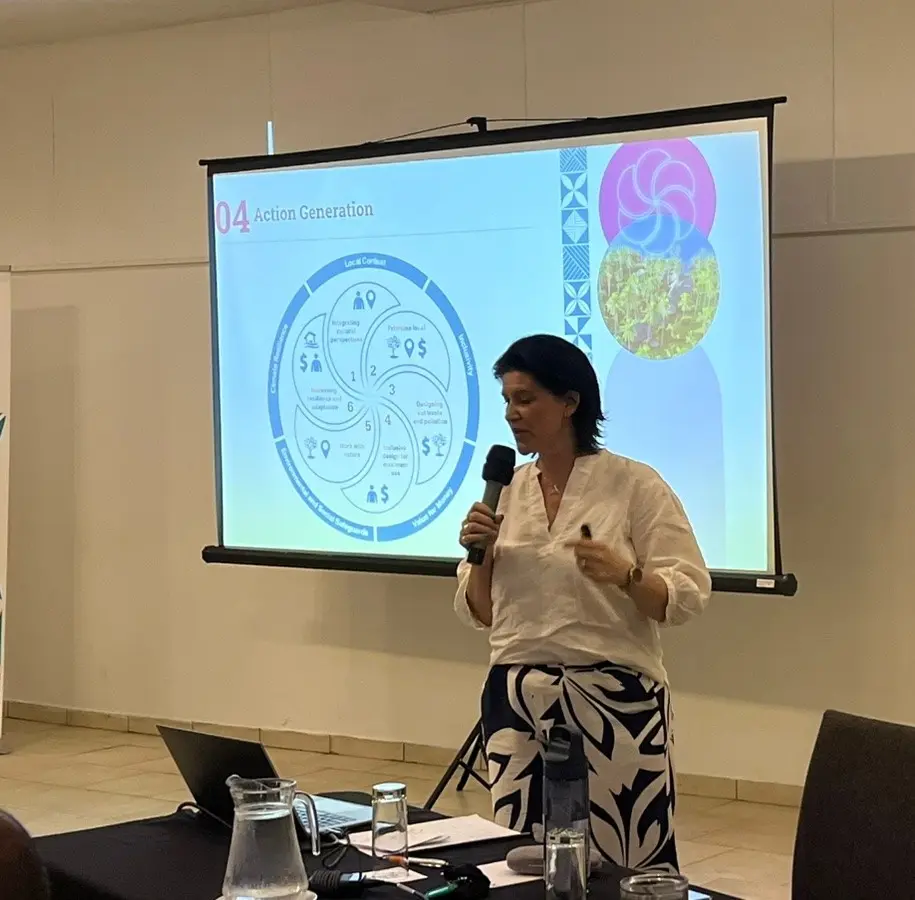
Fiji Police Force narcotics officer Inspector Usaia Donu addresses delegates at the Fiji Head Teachers Association's 43rd Annual Conference in Nadi on August 20, 2026.
The methamphetamine threat facing Fiji’s young people is changing, with the drug increasingly appearing in coloured pressed pills rather than the commonly recognised powder form.
This was revealed by Fiji Police Force narcotics officer Inspector Usaia Donu at the Fiji Head Teachers Association 43rd Annual Conference at the Sheraton Fiji Golf and Beach Resort in Denarau, Nadi, on Thursday.
He warned that young people were increasingly being exposed to multiple illicit substances, including methamphetamine, cannabis and ketamine, as Fiji’s drug problem shifts from being primarily a transit issue to a domestic market.
Related stories
“So Fiji is no longer a transit hub. We are a domestic market now,” Inspector Donu said.
Inspector Donu said more than 2,400 drug cases were recorded between May 2024 and 2025, while authorities seized more than 4.2 tonnes of methamphetamine in early 2024.
He said the changing form of methamphetamine presented an additional challenge, particularly for young people who might not recognise the drug when it was presented in tablet form.
Inspector Donu also raised concerns about the impact of drug use on young people, saying more than 120 teenagers had reportedly been treated for drug-related mental health conditions.
He said the growing drug crisis could no longer be left to police and the military, with teachers uniquely placed to identify warning signs among students and support early intervention.
“School must stand as frontline defenders against narcotics, against drugs; they are not only centres of learning but also safe havens where values are nurtured, resilience is built, and futures are shaped, especially for the younger generation,” he said.
Inspector Donu said teachers’ daily interaction with students placed them in a strong position to identify warning signs and support students at risk.
“We need your support, teachers. We need your support, educators. Due to this crisis that we have, the military and the police cannot handle this alone.”
He urged schools to strengthen early detection, reporting mechanisms, counselling and drug education while working closely with police, health services, communities and parents.
“We have to protect our children, protect our future, encourage a collective responsibility, and promote a drug-free school environment,” he said.
Inspector Donu called for collective action to protect children and ensure schools remained safe from the effects of Fiji’s growing drug crisis.