Five pathways set for Fiji’s plastics transition
Action plan to set out what needs to be done, when it should happen and who will be responsible.
Friday 21 August 2026 | 13:00
Updated 21 August 2026 | 14:28 FJT

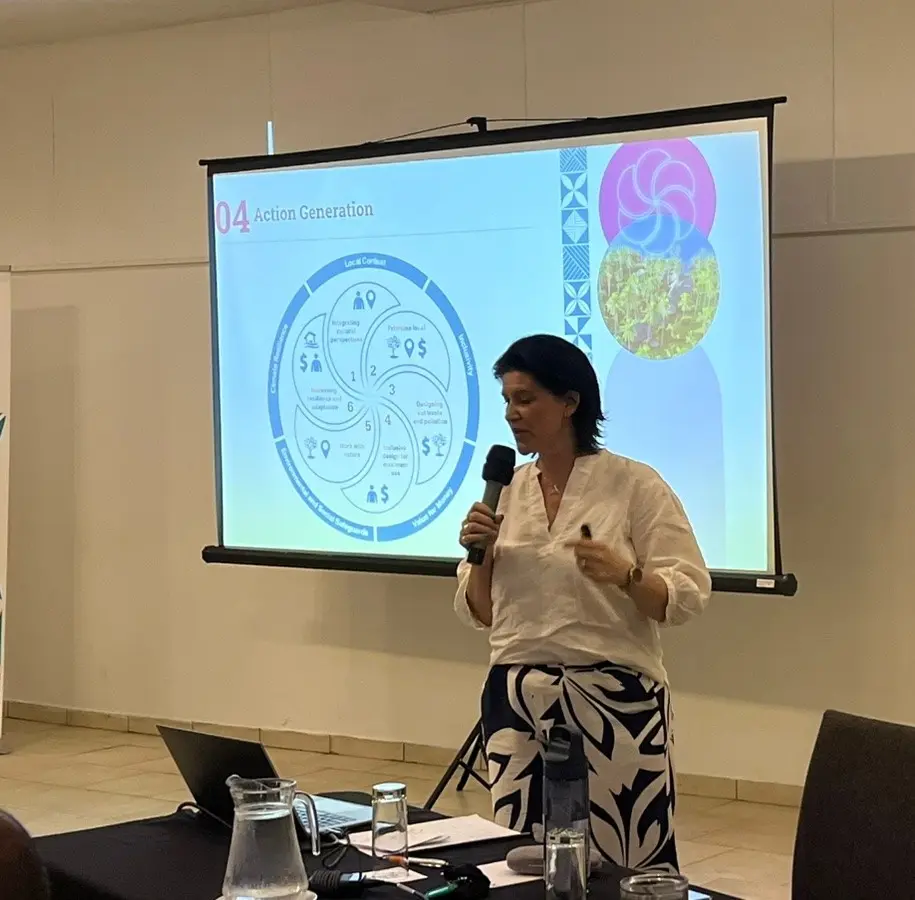
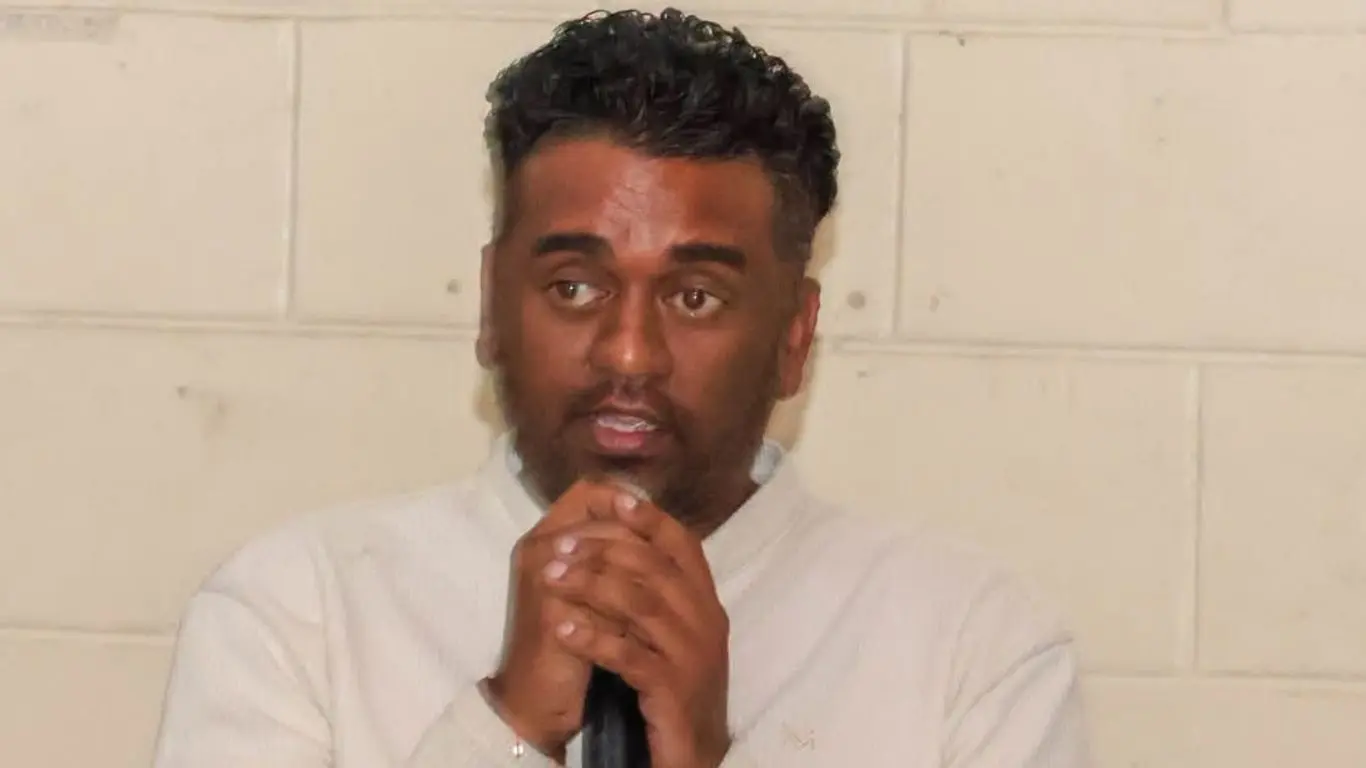
Technical Director-Circular Economy Tania Hyde during the Fiji Plastic Transition Action Plan Co-Design Workshop held at the Novotel Suva Lami Bay on August 20, 2026.
Photo: Joseph Balolo
Fiji has identified five key pathways to reduce avoidable and problematic plastics and move towards a circular economy.
The Ministry of Environment and Climate Change, in partnership with the United Nations Industrial Development Organization (UNIDO) and with funding support from the Government of Japan, is implementing the Promoting Circular Economy and Resource Efficiency in Plastic Value Chains in Fiji project.
The Fiji Plastic Transition Action Plan Co-Design Workshop followed the Roadmap Co-Design Workshop held on Tuesday, which focused on developing the strategic direction for Fiji’s transition towards a circular plastics economy.
Related stories
Speaking during the workshop at the Novotel Conference Room in Lami yesterday, Technical Director-Circular Economy Tania Hyde said the five pathways had been refined following five months of research, interviews and consultations.
She said the pathways were considered the areas that could make the biggest difference over the next 14 years.
The pathways focus on preventing avoidable and problematic plastics, expanding reuse, refill and alternative delivery models, and strengthening infrastructure for the collection, sorting and circulation of materials within Fiji.
She said they also included enabling circular opportunities for all Fijians, with a focus on job creation and economic opportunities for villages, cities and businesses.
The fifth pathway focuses on strengthening partnerships and data transparency to improve leadership, coordination and understanding of purchasing and environmental impacts.
Ms Hyde said the roadmap established where Fiji wanted to go, while the action plan would identify what needed to be done, when it needed to be done and who would be responsible.
She said partnerships between Government ministries, businesses and communities would be important to ensure no one was left behind.
The roadmap would also include an enabler covering communication, financing and coordination.
Ms Hyde said action plans would be sequenced across different horizons, including initiatives for 2027-2028.
She said suitable alternatives needed to be available before products such as plastic bags were removed.