'Commander who knew his soldiers by name'
Ex‑serviceman Vula Tabudua highlights the late Ratu Epeli Nailatikau’s human‑centred leadership within a highly disciplined military environment.
Wednesday 15 April 2026 | 13:30
Updated 15 April 2026 | 17:15 FJT

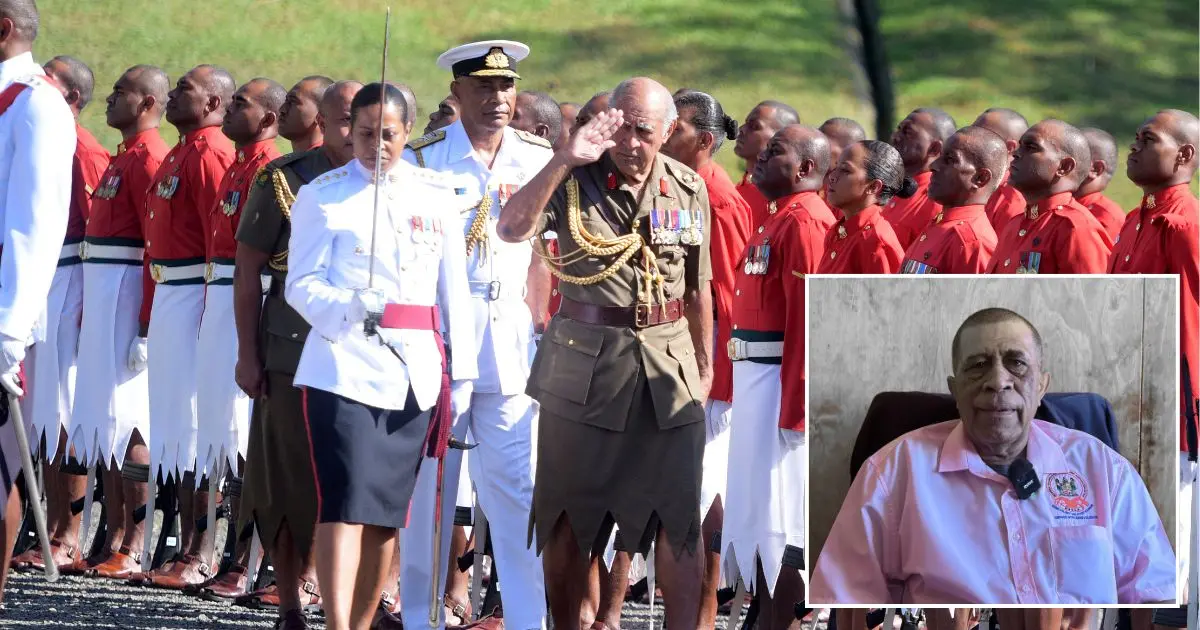
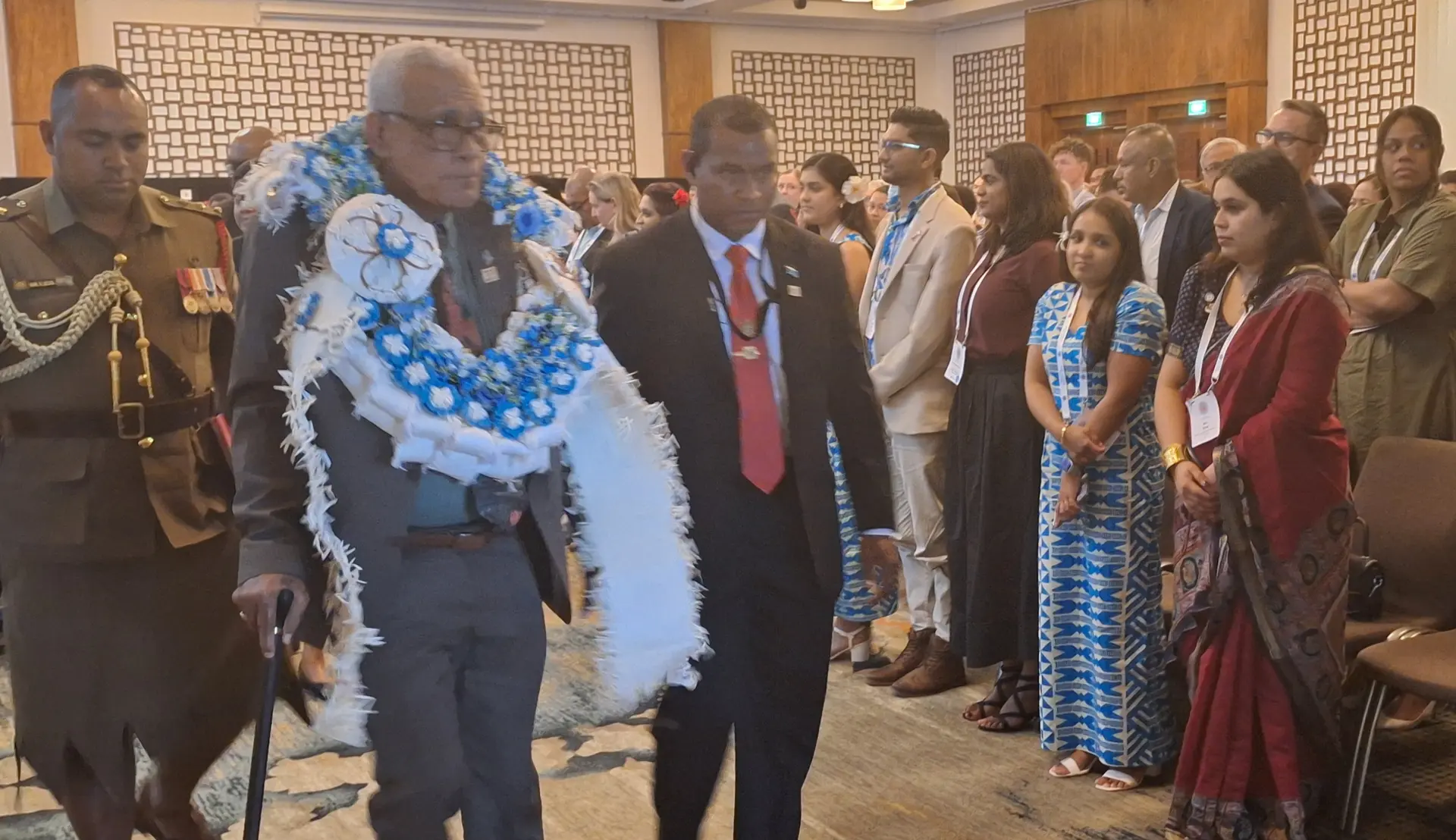
The late former President and Commander-in-Chief, Commander RFMF, and Colonel of the Regiment - Brigadier-General (Ret’d) Ratu Epeli Nailatikau. Inset: Retired serviceman and Manager for the Returned Soldiers and Ex-Servicemen’s Association of Fiji Welfare Scheme, Vula Tabudua.
Photos: Ronald Kumar; Talei Roko
The late former President and Commander-in-Chief, Commander RFMF, and Colonel of the Regiment — Brigadier-General (Ret’d) Ratu Epeli Nailatikau is being remembered for his rare, personalised style of military leadership, one in which he reportedly knew his soldiers by name, rank and even regimental number.
Retired serviceman and Returned Soldiers and Ex-Servicemen’s Association of Fiji Welfare Scheme manager, Vula Tabudua, said Ratu Epeli stood out in a highly disciplined military environment for his human-centred approach to command.
Speaking in an interview today, Mr Tabudua said he served in the RFMF for 34 years after joining in 1979, during which time Ratu Epeli was a senior commander.
Related stories
“He is most remembered as a leader of the troops. When one joins the army, he knows that person by name, rank and regimental number. That is the kind of person the former commander was,” Mr Tabudua said.
He said such personal recognition was uncommon in a strict hierarchical institution like the military, where distance between ranks is often maintained.
However, Ratu Epeli was known for breaking that barrier through familiarity and respect.
“He maintained a personal connection with every soldier under his command. That is what made him different,” he said.
Mr Tabudua described him as an “officer and a gentleman” whose leadership style was firm but grounded in humility, discipline and respect rather than status.
He said Ratu Epeli’s leadership qualities were evident early in his career, including his historic service as the first commanding officer of the 1st Battalion Fiji Infantry Regiment deployed under the United Nations Interim Force in Lebanon (UNIFIL) in 1978 and 1979, where he completed a full-year rotation.
“That was leadership. He was a born leader and a chief, but when he came to work, he came as a commander, not as a chief,” Mr Tabudua said.
Beyond formal duties, Mr Tabudua recalled a personal encounter that reflected Ratu Epeli’s character and approachability, including a chance meeting at a local market where he was warmly greeted.
“He just said, ‘Marhaba.’ That’s the kind of person he is,” he said.
He also reflected on a recent farewell with the late leader at a gathering of ex-servicemen following the funeral of a senior officer, describing it as their final interaction.
Mr Tabudua said Ratu Epeli spent hours with fellow veterans before personally shaking hands with everyone as he departed, leaving them with a final light-hearted remark.
“He had the heart for every Fijian: iTaukei, Indo-Fijian, Chinese and all communities he served,” he said.
He added that Fiji has lost a rare calibre of leadership, describing Ratu Epeli as a meticulous and principled commander whose legacy of personal, people-focused leadership will be long remembered.
“We mourn the loss of a great leader, a leader of the people. His way of leading is something that will be missed by every citizen of this country,” he said.