Constitution review hears calls to raise voting age from 18 to 21, restore Senate
Villagers also called for the reinstatement of the Senate, raising concerns about the current law-making process and the absence of what they see as a safeguard for iTaukei rights.
Wednesday 06 May 2026 | 06:30

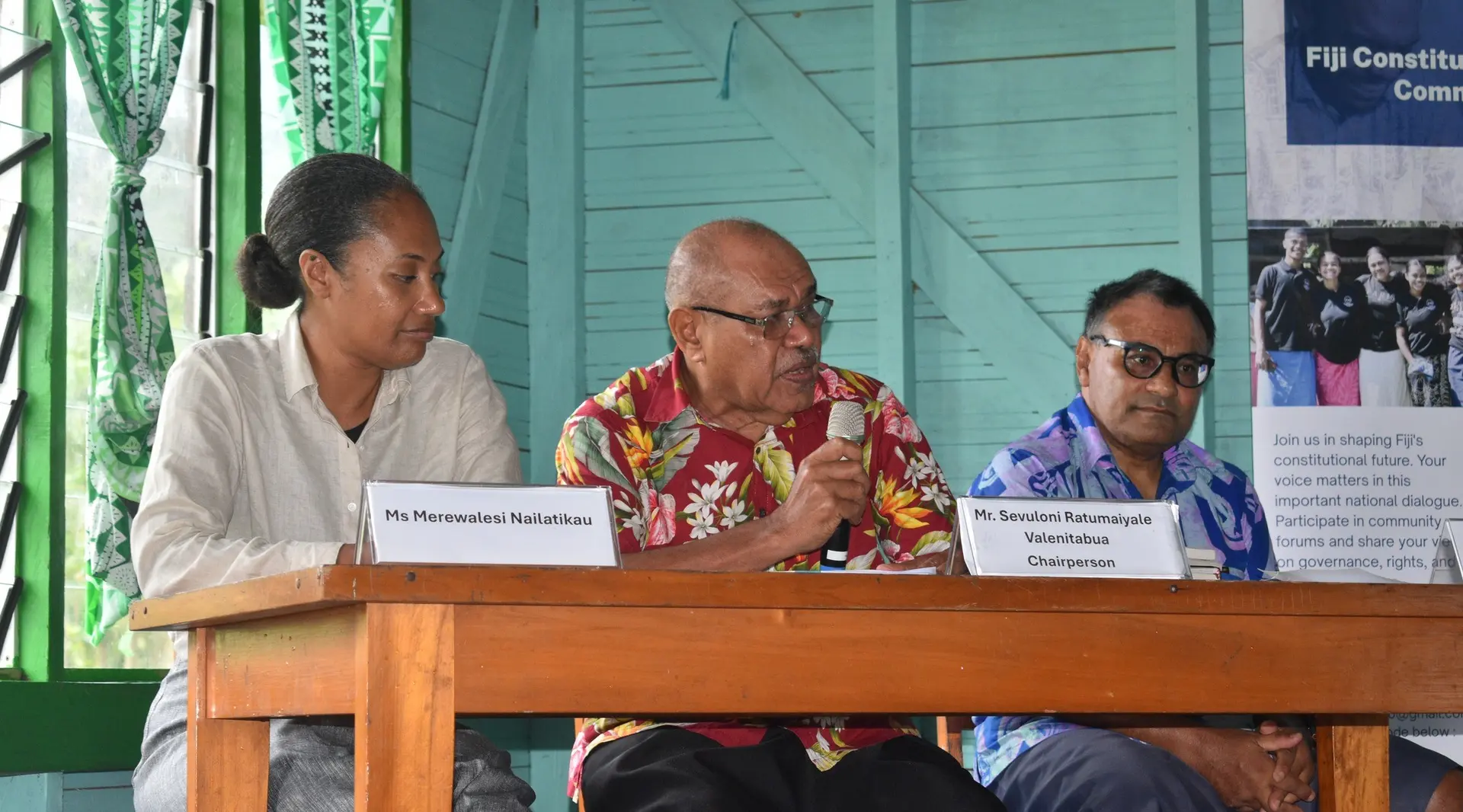
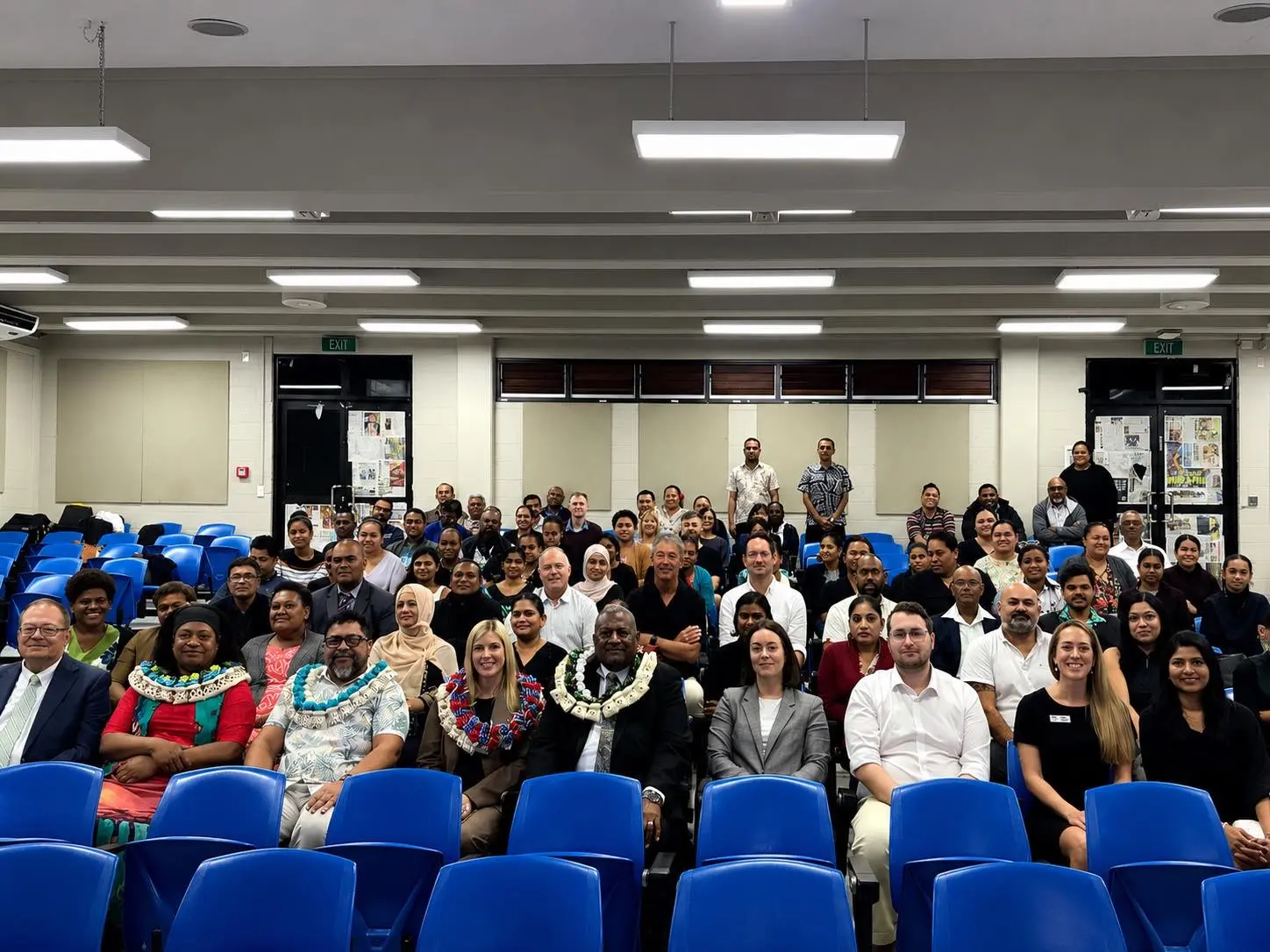
Constitutional Review Commission members (from left) Merewalesi Nailatikau, chair Sevuloni Valenitabua and Conway Begg during consultations in Fulaga on May 6, 2026.
Photo: Fiji Constitution Review Commission Facebook
Villagers in Muana-i-Cake, Fulaga, in the Lau Group, have proposed raising Fiji’s voting age from 18 to 21 and reinstating the Senate, during submissions to the Constitution Review Commission.
The proposals were presented during the commission’s first round of consultations, led by chair Sevuloni Valenitabua, as it continues nationwide engagements.
Villager Qeleyaasi Tokase said the current voting age does not reflect maturity and decision-making capacity.
Related stories
“At 18, many of our young people are still dependent and easily influenced. Raising the age to 21 will ensure wiser choices for the future of our communities,” Ms Tokase said.
“Our youth are good children, but leadership and voting require more life experience. We believe 21 is a more responsible age,” she said.
Villagers also called for the reinstatement of the Senate, raising concerns about the current law-making process and the absence of what they see as a safeguard for iTaukei rights.
Villager Sukilagi Butilevu questioned the removal of the Senate, saying the issue was tied to representation and protection.
“Why was the Senate removed in the first place?” Mr Butilevu said.
He urged the commission to consider recommending its return.
“We are asking the commissioners to seriously look at bringing back the Senate to help protect the laws that bind the iTaukei people,” he said.
The Senate, which existed under previous constitutions, functioned as an upper house of Parliament, providing oversight and, in some cases, representing traditional and communal interests.
Its removal under later constitutional reforms remains a point of contention among some communities, particularly in rural and indigenous areas.
Mr Valenitabua said the commission’s role was to record submissions.
“We are here to listen to all voices, whether supportive or critical. Every submission will be considered in the broader constitutional review process,” he said.