Constitutional review on track, says Review Commission
Chairperson says integrity must come first amid scrutiny over timeline and transparency.
Monday 27 April 2026 | 11:30
Updated 27 April 2026 | 13:29 FJT

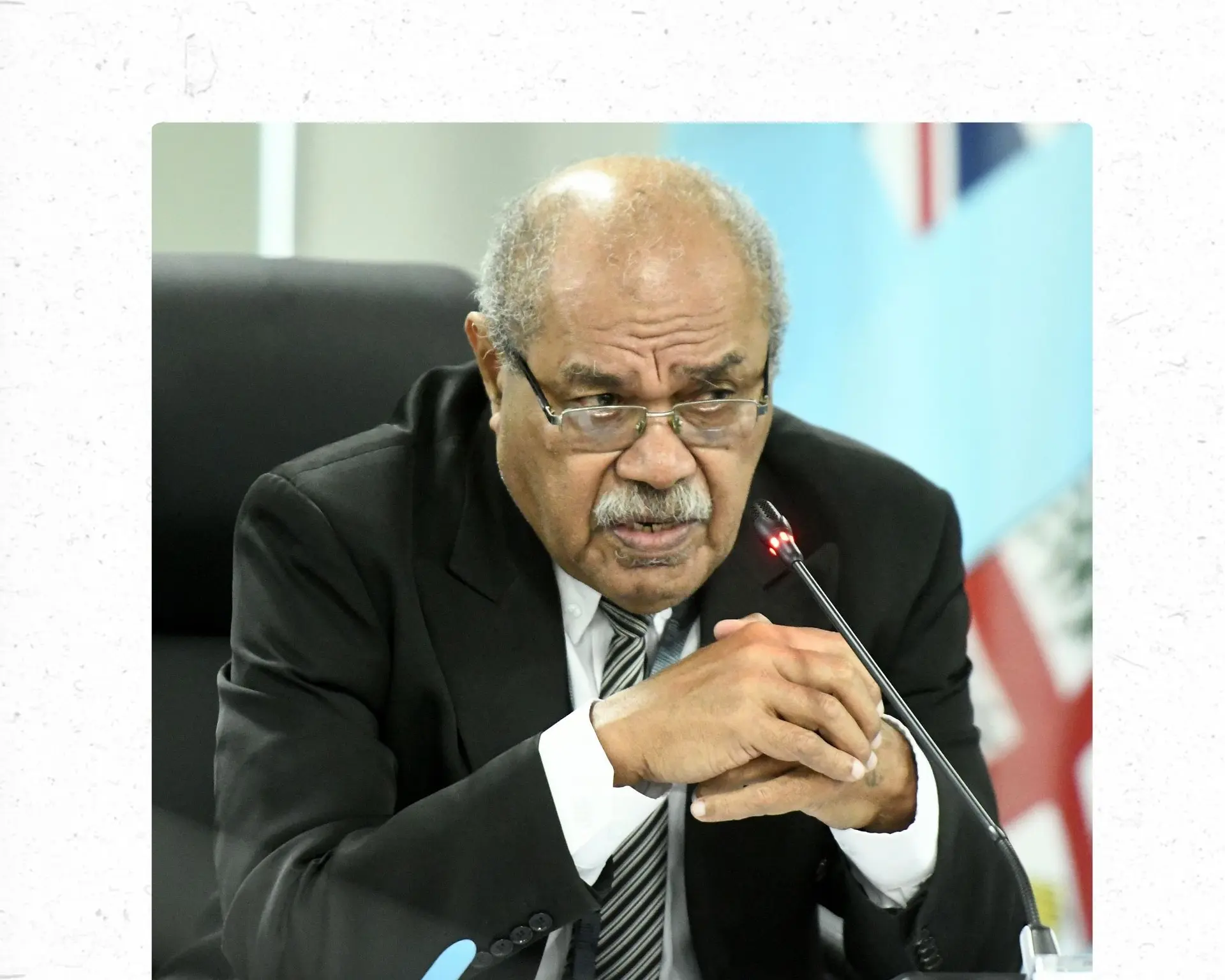
Constitutional Review Commission chairperson Sevuloni Valenitabua.
Photo: Ronald Kumar
Constitutional Review Commission (CRC) chairperson, Sevuloni Valenitabua, has assured the nation that Fiji’s constitutional review process remains firmly on track, amid growing public scrutiny and debate over its pace and transparency.
Mr Valenitabua stressed that the Government remained fully committed to a review process that is lawful, transparent, and designed to serve the best interests of all Fijians.
He said the commission widely referred to as the CRC was established as an independent body to assess the legal framework of the 2013 Constitution of Fiji and recommend potential reforms.
Related stories
“The work we are undertaking cannot be rushed,” Mr Valenitabua said, pushing back against criticism over the Commission’s six-month timeline.
Our role is not to predetermine outcomes. It is to listen, gather views, and assess them within the legal framework.
Constitutional Review Commission (CRC) chairperson, Sevuloni Valenitabua
“These are not measures that can be approached lightly. The integrity of the process must come first.”
At the core of the commission’s mandate is public consultation. Mr Valenitabua described civic participation as not just necessary, but essential to the legitimacy of any proposed constitutional changes.
The CRC, he said, is working to ensure that consultations are structured and inclusive bringing together legal experts, civil society groups, community leaders, and ordinary citizens from across the country.
However, he cautioned against the spread of misinformation and premature conclusions about the Commission’s work.
Any proposed amendments, he noted, must still meet strict legal thresholds outlined in the Constitution, including parliamentary requirements and, where applicable, a national referendum.
The commission faces a tight deadline. Tasked with completing its work by August 31, 2026, it must balance urgency with fairness an issue that has sparked concern among observers.
Mr Valenitabua acknowledged the challenge but warned that rushing the process could undermine both its credibility and long-term impact.
“This is not just a legal exercise,” he said. “It is a national one. It must reflect broad consensus, not narrow interests.”
He called on all stakeholders, including critics, to engage constructively in the consultation process, stressing that meaningful participation will shape recommendations that carry national legitimacy.
Mr Valenitabua closed by reiterating that the constitutional review is not a political undertaking, but a process of national importance.








