Coups created lasting ‘economic setbacks’, economist tells FTRC
Dr Tuibeqa said Fiji’s dependence on tourism and exposure to external shocks continued to create economic vulnerabilities, especially during periods of political uncertainty.
Saturday 09 May 2026 | 09:30

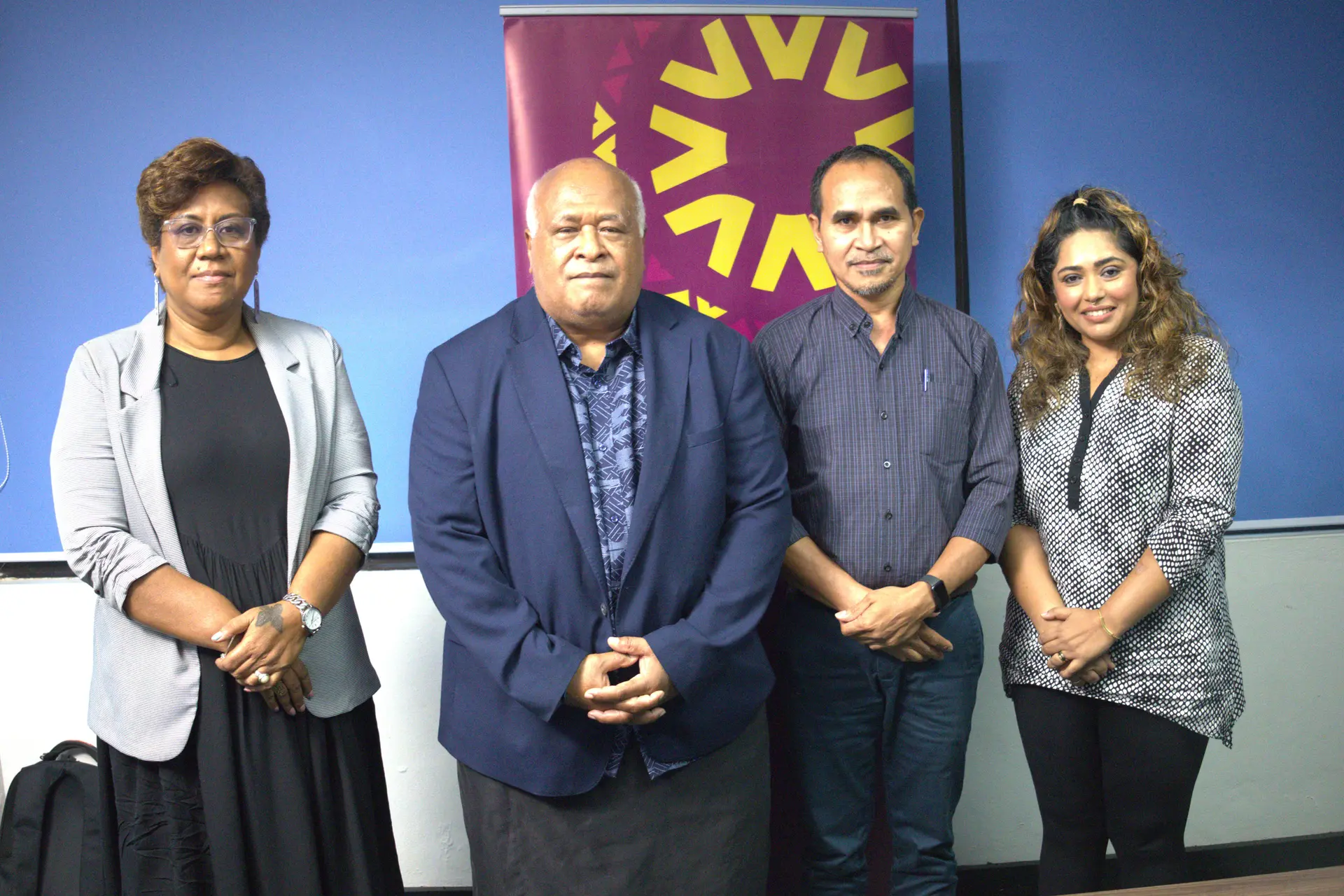
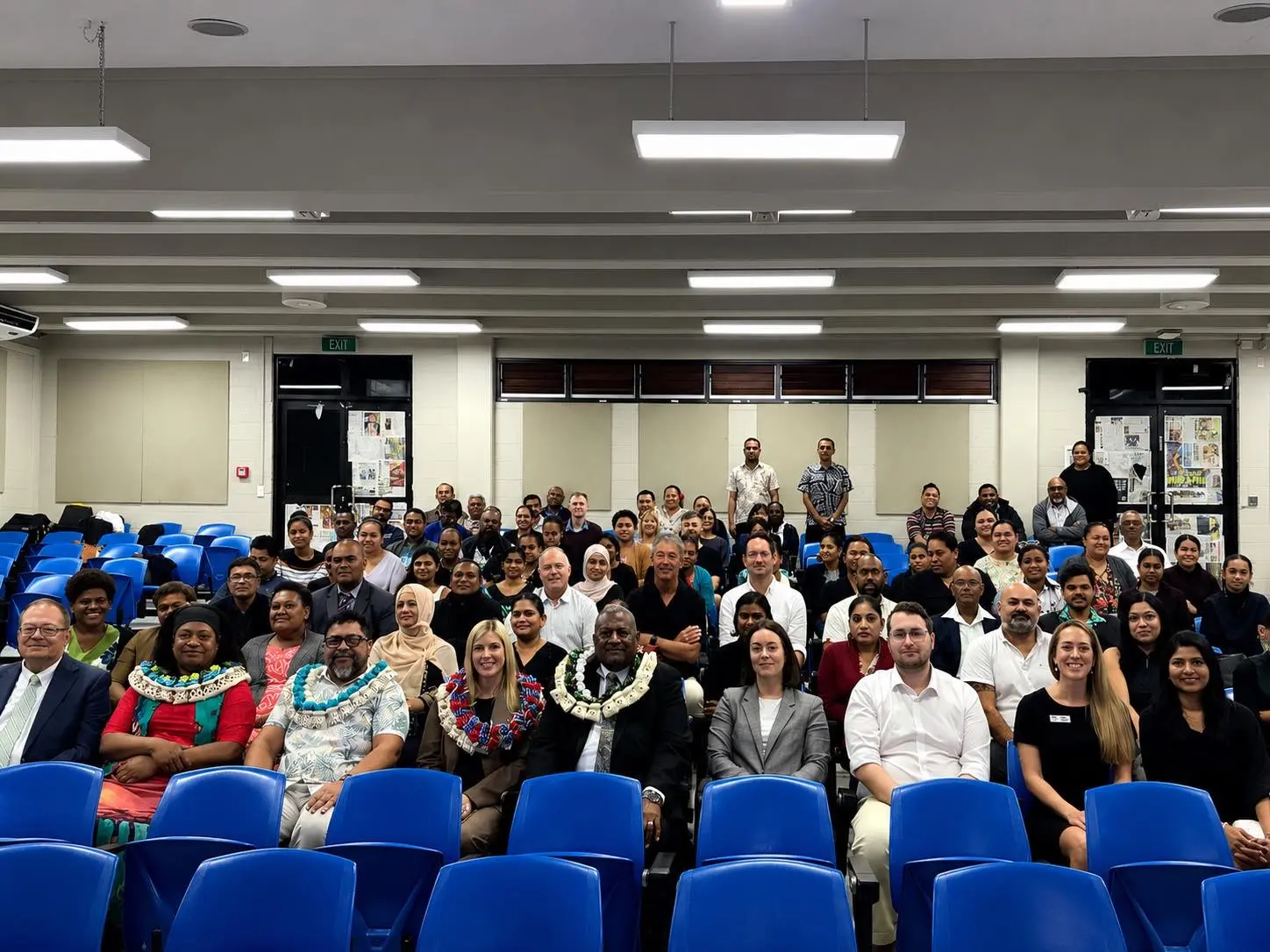
FTRC Commissioner Ana Laqeretabua, institute expert Dr Asaeli Tuibeqa, FTRC Chairperson Joaquim da Fonseca, and Commissioner Rachna Nath after the hearing in Suva on Thursday, 7 May 2026.
Fiji Truth and Reconciliation Commission
Repeated political upheavals in Fiji created long-term economic setbacks and weakened national institutions, development economist Dr Asaeli Tuibeqa told the Fiji Truth and Reconciliation Commission (FTRC) hearing in Suva on Thursday.
Dr Tuibeqa, dean of the Fiji National University’s College of Business, Hospitality and Tourism Studies, said periods of instability had reshaped Fiji’s economic trajectory and contributed to structural and institutional challenges.
Appearing before FTRC chairman Joaquim Da Fonseca and commissioners Rachna Nath and Ana Laqeretabua, he described what he called a “coup gap” that weakened economic performance over time.
Related stories
“Each political crisis created economic setbacks that Fiji never fully recovered from before the next disruption occurred,” he said.
He said repeated political upheavals had “weakened Fiji’s immune system” in terms of resilience, governance and institutional strength.
Dr Tuibeqa said political instability lowered investor confidence, weakened governance systems and disrupted consistent policymaking, causing long-term institutional damage.
He also said repeated upheavals accelerated the migration of skilled workers in health, education, engineering and public administration.
“The loss of skilled labour continues to affect Fiji’s ability to build resilience and sustain long-term development,” he said.
Dr Tuibeqa said Fiji’s dependence on tourism and exposure to external shocks continued to create economic vulnerabilities, especially during periods of political uncertainty.
During the hearing, he called for a shift in national leadership culture.
“We need leaders that take us to heal and prosper. We need leaders that have foresight, strategic thinking, and active listening in our country,” he said.
“We need a leader who carries the culture and who carries the command.”
He recommended stronger institutions, improved governance, economic diversification and targeted investment in human capital development to support long-term stability and inclusive growth.
“Building resilience requires political stability, institutional trust, and an economy that creates opportunities for all communities,” Dr Tuibeqa said.