Drought must never become an excuse for violence: Kiran
Violence against women and girls costs Fiji an estimated $300 million annually, affecting household income, workplace productivity and essential public services.
Wednesday 25 November 2026 | 09:00

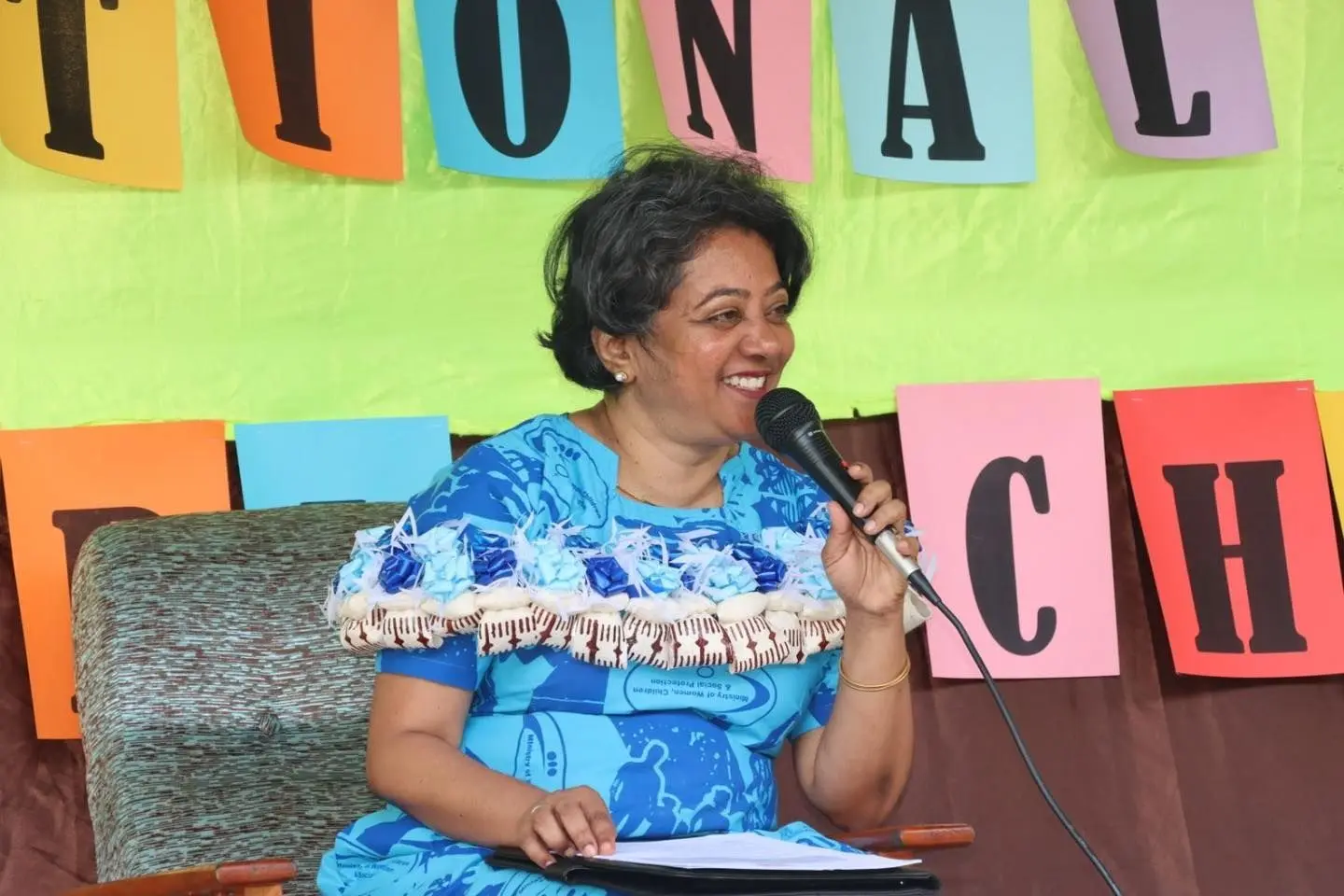
Minister for Women, Children and Social Protection Sashi Kiran.
Supplied
Families struggling with water shortages, food insecurity and financial pressures amid the ongoing El Niño drought are being urged not to allow these hardships to become a trigger for domestic violence.
Minister for Women, Children, Social Protection and Cohesion Sashi Kiran warned that the national drought emergency could heighten the risk of domestic violence, abuse and exploitation, particularly against women and girls.
In a statement marking the launch of the 16 Days of Activism Against Gender-Based Violence today, Ms Kiran said women and girls often carried additional household and caregiving responsibilities during times of crisis.
Related stories
“The hardships brought about by this drought must never become an excuse for violence.”
“I urge families to exercise patience, share household responsibilities and support one another.”
Ms Kiran stressed that the safety, dignity and protection of women, children and vulnerable persons must remain central to the national disaster response.
Mothers particularly vulnerable
Ms Kiran highlighted findings from the Voices of Mothers study, conducted in partnership with the ministry and the Fiji Medical Association.
Nearly one in four mothers surveyed reported experiencing some form of abuse, while one in three reported conflict or tension at home following childbirth.
The study also revealed that one in three mothers surveyed showed signs of postpartum depression in the year after childbirth, while one in five did not know where to seek help for domestic violence.
Ms Kiran said distance and isolation made accessing support even harder for women in rural, remote and maritime communities.
Violence against women and girls costs Fiji an estimated $300 million annually, affecting household income, workplace productivity and essential public services.
Share responsibilities at home
Ms Kiran challenged men and boys to take greater responsibility in preventing violence and supporting their families.
“Real strength is not demonstrated through fear, intimidation or control, but through respect, compassion, self-control and accountability.”
“Speak up when others disrespect women or excuse violence. Share responsibilities at home, particularly during pregnancy and after childbirth, and model respectful behaviour for our children.”
She also urged traditional and religious leaders to challenge harmful attitudes, demand accountability and break the silence surrounding abuse.
“Our culture and faith must protect human dignity, never justify or conceal violence.”
Ms Kiran stressed that efforts to prevent violence must continue beyond the 16-day campaign, which ends on December 10.
“As we navigate this national disaster together, let us demonstrate compassion, protect the vulnerable and ensure that no woman or girl suffers in silence.”
Where to seek help
Those experiencing violence or witnessing abuse can contact the following toll-free helplines:
- National Domestic Violence Helpline – 1560
- National Child Helpline – 1325
- Online Safety Commission Helpline – 1548
- Fiji Police Force Helpline – 1681
Violence against women and girls costs Fiji an estimated $300 million annually, with concerns that the ongoing El Niño drought could heighten the risk of domestic violence, abuse and exploitation.
Minister for Women, Children, Social Protection and Cohesion Sashi Kiran described violence against women and girls as a national crisis requiring urgent action from every Fijian.
In a statement marking the launch of the 16 Days of Activism Against Gender-Based Violence today, Ms Kiran said the impact extended beyond personal trauma, placing enormous pressure on healthcare, policing, justice and social welfare systems while affecting workplace productivity and household income.
“Violence against women and girls is not just a women’s issue. It is a national crisis that threatens our families, undermines our communities and drains our economy, demanding urgent action from every one of us.”
Drought could heighten domestic violence risks
Ms Kiran warned that water shortages, food insecurity, disruptions to livelihoods and financial pressures could heighten the risk of domestic violence, abuse and exploitation.
Women and girls often carried additional household and caregiving responsibilities during such crises.
“The hardships brought about by this drought must never become an excuse for violence.”
She urged families to exercise patience, share household responsibilities and support one another.
Through the National Safety and Protection Cluster and its partners, the ministry is seeking to ensure that the safety, dignity and protection of women, children and vulnerable persons remain central to the national disaster response.
Nearly one in four mothers reported abuse
Ms Kiran also highlighted concerning findings from the Voices of Mothers study, conducted in partnership with the ministry and the Fiji Medical Association.
The study revealed that:
- One in three mothers surveyed showed signs of postpartum depression in the year after childbirth;
- Nearly one in four mothers reported experiencing some form of abuse;
- One in three reported conflict or tension at home following childbirth; and
- One in five did not know where to seek help for domestic violence.
Ms Kiran said harmful attitudes, unequal power relations, victim blaming and stigma continued to silence survivors, while geographical isolation made accessing support more difficult for women in rural, remote and maritime communities.
Growing threat of online abuse
Violence against women and girls was also increasingly occurring in digital spaces through online harassment, cyberstalking, sextortion, deepfakes and the non-consensual sharing of intimate images.
In July, the ministry, together with Government, civil society and United Nations partners, launched the Revised National Service Delivery Protocol for Responding to Cases of Gender-Based Violence.
The revised protocol strengthens coordination between Police, health, social welfare and justice services, including referral pathways for technology-facilitated abuse.
Government officers across the country are also being trained to strengthen awareness and response.
Men and boys challenged to act
Ms Kiran called on men and boys to challenge attitudes and behaviours that allowed abuse to continue.
“Real strength is not demonstrated through fear, intimidation or control, but through respect, compassion, self-control and accountability.”
She urged traditional and religious leaders to challenge harmful attitudes, demand accountability and break the silence surrounding abuse.
“Our culture and faith must protect human dignity, never justify or conceal violence.”
Ms Kiran stressed that efforts to eliminate gender-based violence must continue beyond the campaign, which ends on December 10.
“Our commitment to ending violence must not expire on 10 December. These 16 Days must translate into sustained action throughout the year — preventing violence, protecting survivors and holding perpetrators accountable.”
Where to seek help
Those experiencing violence or witnessing abuse can contact the following toll-free helplines:
- National Domestic Violence Helpline – 1560
- National Child Helpline – 1325
- Online Safety Commission Helpline – 1548
- Fiji Police Force Helpline – 1681