FCCC approves higher cane harvesting and cartage rates amid fuel price surge
Following its assessment, the commission approved a 30.3 per cent increase in mechanical harvesting rates, lifting the authorised rate from $18.90 per tonne to $24.63 per tonne.
Wednesday 24 June 2026 | 12:30

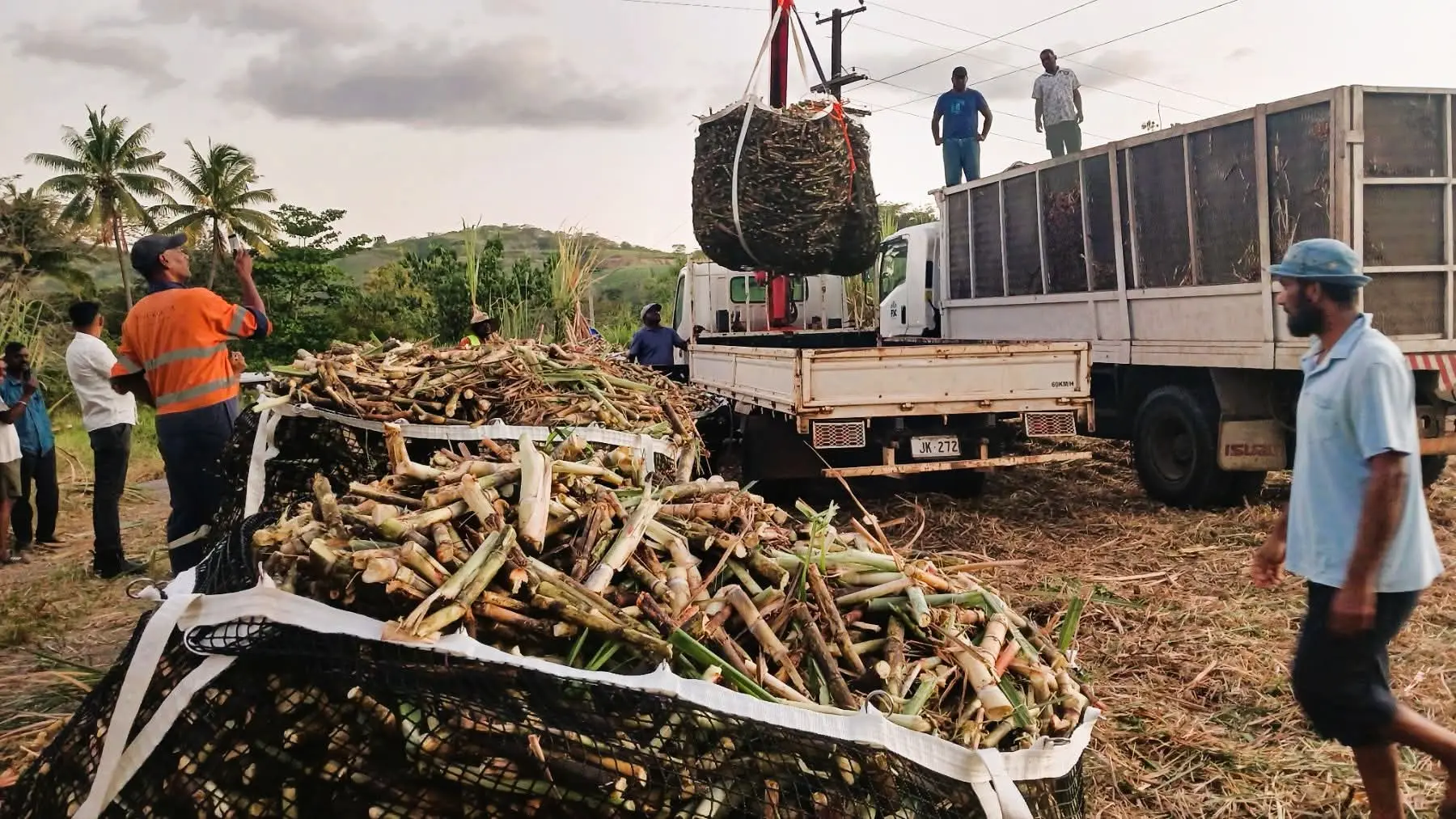
FCCC said it would continue monitoring fuel markets and industry conditions alongside members of the Fuel Monitoring Taskforce to ensure compliance and prevent any misuse of the situation.
Supplied.
The Fijian Competition and Consumer Commission (FCCC) has approved significant increases in sugarcane harvesting and cartage rates as authorities move to shield the sugar industry from the impact of rising global fuel prices.
The new rates, which took effect on June 23, are aimed at helping harvesting operators and lorry owners manage escalating fuel costs while ensuring critical services remain available throughout the 2026 crushing season.
According to FCCC, a sharp rise in global fuel prices has substantially increased the operating costs of harvesting and transporting sugarcane, placing pressure on service providers across the industry.
Related stories
Following its assessment, the commission approved a 30.3 per cent increase in mechanical harvesting rates, lifting the authorised rate from $18.90 per tonne to $24.63 per tonne.
FCCC also approved a 25.4 per cent increase in authorised sugarcane cartage rates to reflect higher diesel costs faced by transport operators.
Under the revised structure:
- Cartage from Draunivi to Rarawai increases from $24.16 to $30.30 per tonne.
- Cartage from Draunivi to Vitawa Bridge to Rarawai increases from $27.33 to $34.27 per tonne.
- Cartage from Vitawa Bridge to Penang to Ellington 1/2 to Rarawai increases from $31.15 to $39.06 per tonne.
The commission said the temporary adjustments are intended to support harvesting and transport operators while the Government implements a temporary subsidy arrangement to cushion the impact on cane growers.
FCCC chief executive officer Senikavika Jiuta said the challenge was balancing industry sustainability with fairness to all stakeholders.
“Our analysis focused on fuel cost fluctuations and their direct operational impact. The adjustments reflect only the necessary increases tied to fuel, ensuring transparency and fairness in the process.”
The commission's assessment found that diesel prices had risen substantially due to recent global market disruptions, creating significant financial pressure for harvesting operators and lorry service providers whose businesses rely heavily on fuel.
“As a nation heavily reliant on imported fuel, fluctuations in the global markets and international fuel prices will continue to have a direct impact on domestic fuel prices and associated operational costs across various sectors of the economy,” Ms Jiuta said.
FCCC said it would continue monitoring fuel markets and industry conditions alongside members of the Fuel Monitoring Taskforce to ensure compliance and prevent any misuse of the situation.








