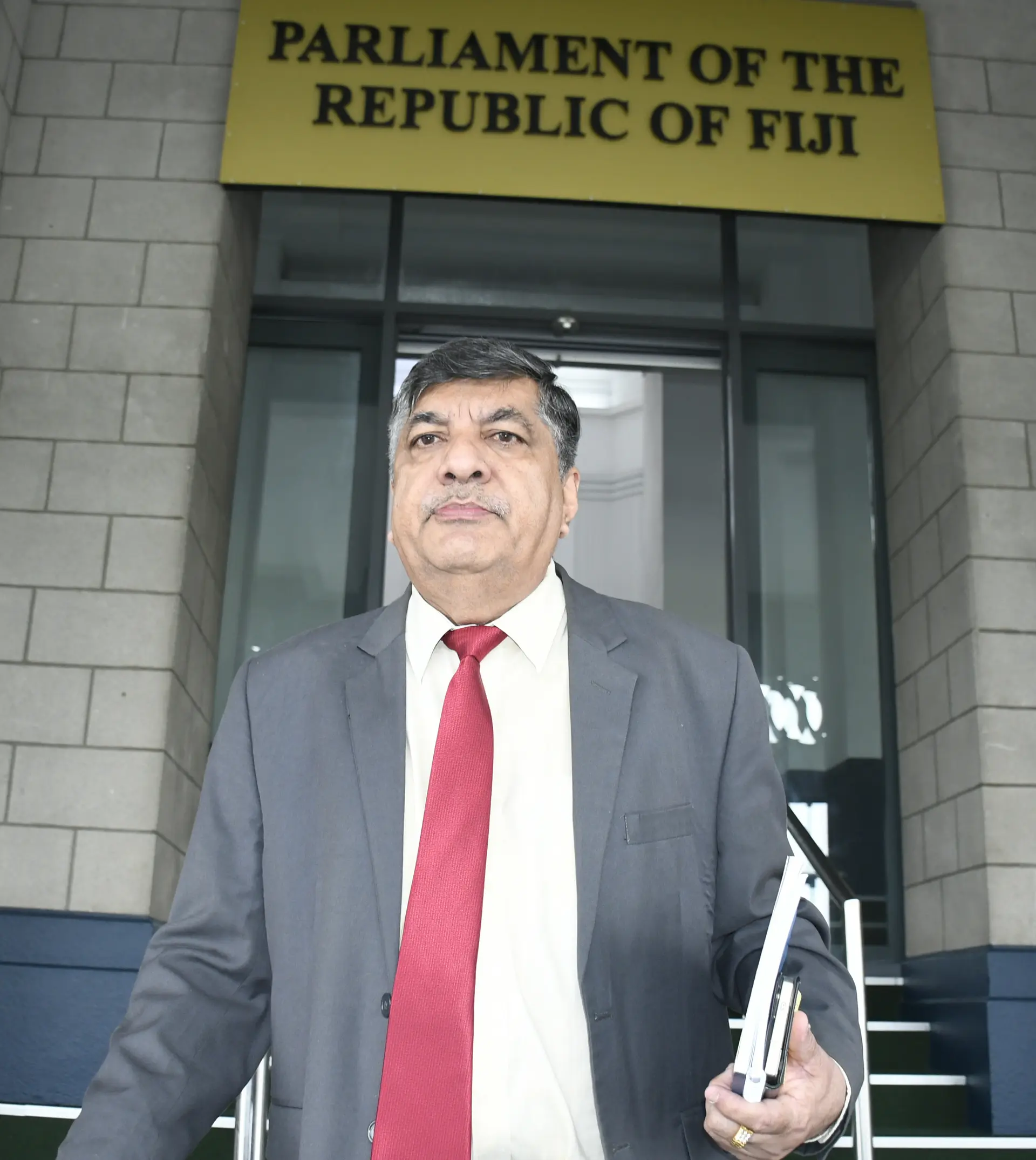
FCCC defends regulation of EFL monopoly
EFL had applied on April 13 for an 11 cents per kilowatt hour fuel surcharge increase.
Saturday 23 May 2026 | 10:30


The statement comes as EFL responds to recent criticism of the approved 24.2 per cent electricity tariff increase, which was supposed to take effect January 1, 2026 but suspended to allow for a 21-day consultation.
Supplied
The Fijian Competition and Consumer Commission says it will continue regulating Energy Fiji Limited because of its monopoly position in the electricity sector.
This comes after approving only half of what EFL requested in its fuel surcharge application.
FCCC chief executive Senikavika Jiuta said EFL's monopoly position was precisely why tighter regulatory oversight was necessary.
Related stories
"Because they're a monopoly, that's why we'll continue to regulate them," Ms Jiuta said.
EFL had applied on April 13 for an 11 cents per kilowatt hour fuel surcharge increase. FCCC approved 5.91 cents – roughly half – effective May 26.
Ms Jiuta acknowledged the approved amount may not fully resolve EFL's cash flow pressures but said it should provide some relief.
"This 5.91 should be able to cushion and assist them with their cash flow during this time.
But we hope that EFL will not do load-sharing as of this weekend or next weekend," she said.
EFL had previously signalled it may introduce load-shedding – scheduled power cuts – if costs were not recovered. The surcharge deadline passed on May 22.
The FCCC had also deferred EFL's broader tariff review, which was put on hold until March 31, before this latest application arose.
Ms Jiuta said FCCC would reconcile actual fuel costs incurred by EFL to ensure consumers are not charged for unverified or excessive amounts.
EFL relies heavily on imported Industrial Diesel Oil and Heavy Fuel Oil – neither of which is a regulated fuel – to generate electricity across Fiji.