Fiji-born Shika Raju makes Mount Everest history
Ms Raju has become the first Fiji Indian-born person to summit Mount Everest.
Friday 29 May 2026 | 23:00
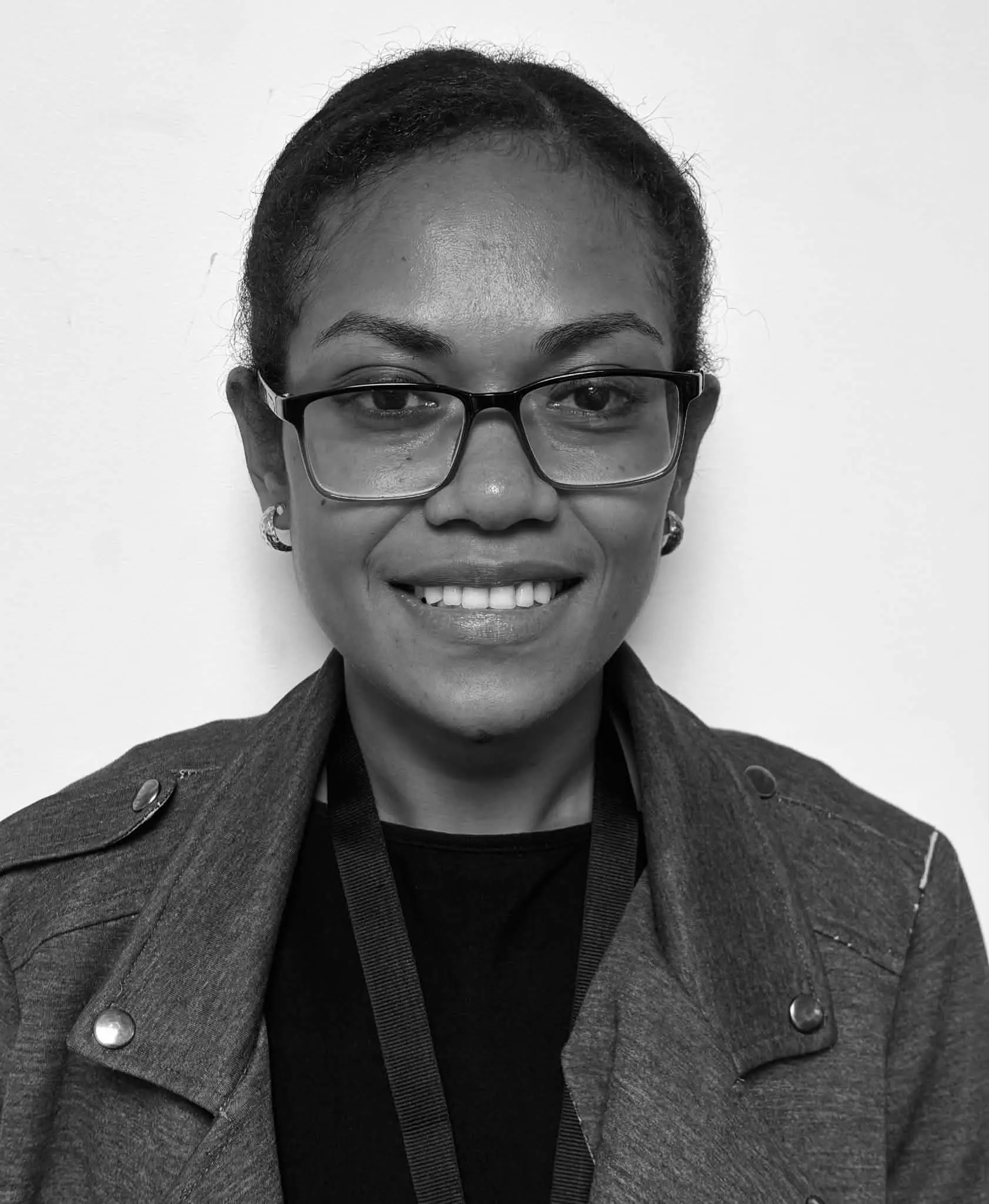
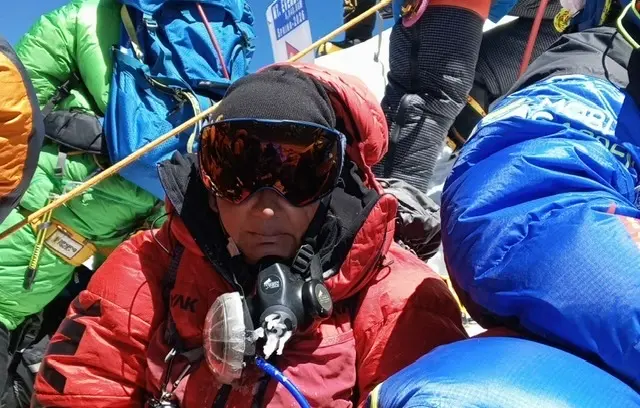
For Fiji-born Shika Raju, a senior New South Wales Health strategist with a background in psychology, Mount Everest was the ultimate test of everything she had studied about resilience, leadership and human performance under pressure.
Supplied.
Above 8,000 metres, in the freezing, oxygen-starved stretch of the Himalayas known as the “Death Zone”, academic theories mean little.
For Fiji-born Shika Raju, a senior New South Wales Health strategist with a background in psychology, Mount Everest was the ultimate test of everything she had studied about resilience, leadership and human performance under pressure.
Yet it was during the gruelling descent from the world’s highest peak, after she suddenly began losing her sight, that the most important lesson emerged.
“Everest has a way of stripping away ego,” Ms Raju said.
“You realise very quickly that nature does not care about titles, achievements, or status. It demands humility and respect.”
Ms Raju has become the first Fiji Indian-born person to summit Mount Everest, standing atop the 8,848-metre peak after years of preparation and sacrifice.
From Fiji to the world’s highest peak
Born in Fiji and raised in Australia after migrating with her family in the 1980s, Ms Raju said reaching the summit carried significance beyond personal achievement.
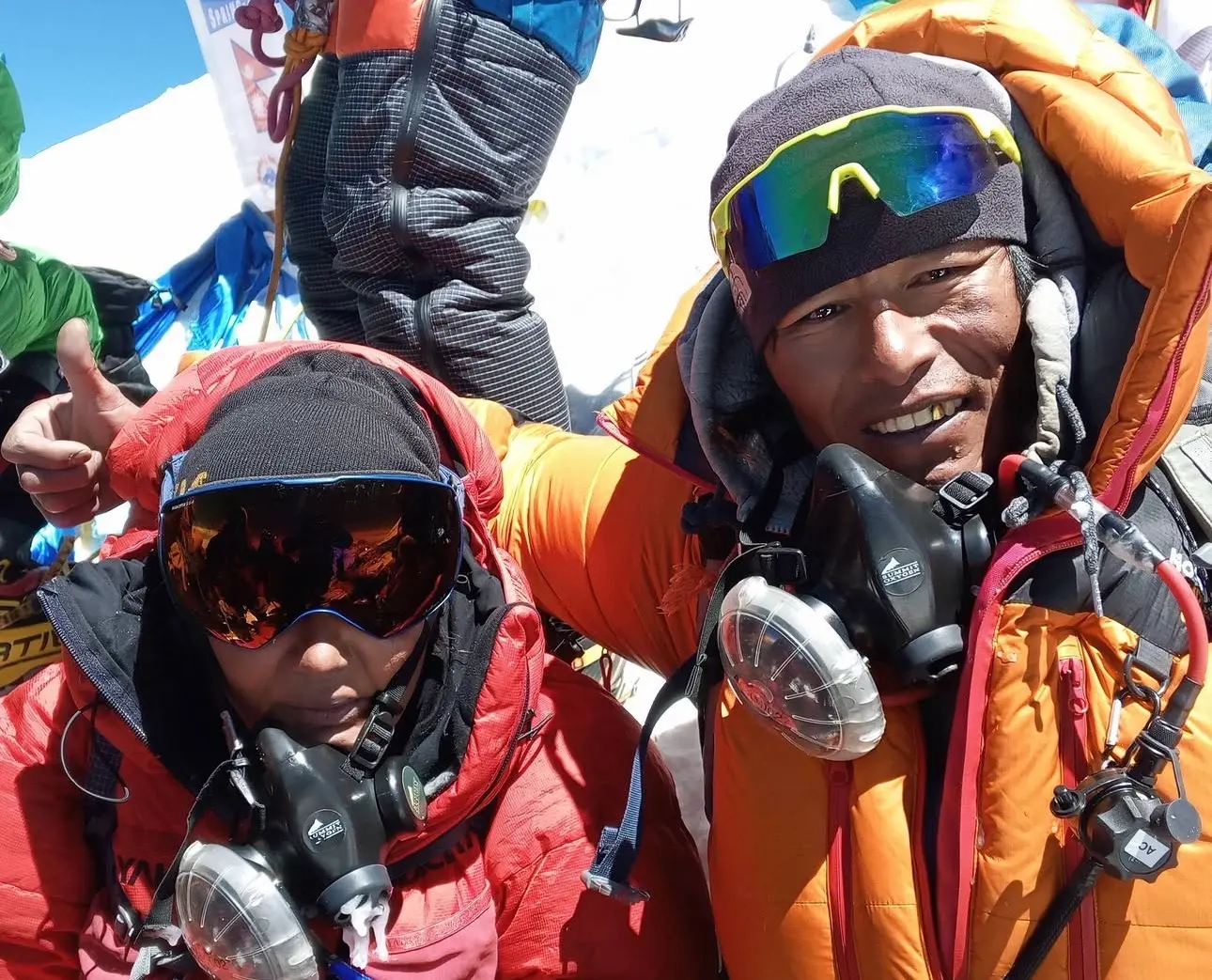
At the peak.
“I felt like I was carrying not just my own dream, but the hopes and pride of many people who never imagined someone from our background could reach the highest point on Earth,” she said.
An endurance athlete who has completed marathons around the world for more than a decade, Ms Raju’s passion for high-altitude climbing began in 2019 during the Everest Marathon.
While in Nepal, she climbed the 6,000-metre Island Peak and discovered a passion for mountaineering.
The Everest summit was eight years in the making, requiring disciplined training, mental conditioning and climbs on challenging peaks including Ama Dablam in Nepal and mountains in New Zealand’s Southern Alps.
“Your background does not define your limits. You do not need to grow up near mountains to climb one,” she said.
“Coming from a small island nation should never make anyone feel that global achievements are out of reach.”
Survival lessons in the Death Zone
Ms Raju works for the Health Education and Training Institute, part of NSW Health, where she advises on strategic priorities, corporate performance and governance.
Her professional focus on positive psychology and wellbeing proved invaluable on Everest.
The dangers became clear early in the expedition.
During an acclimatisation climb through the Khumbu Icefall towards Camp 1, a massive block of ice collapsed above her team.
“The climbers behind me were buried under snow and ice. Thankfully they survived, but in that moment I realised how fragile life really is,” she said.
“That could have been me. At times Everest felt like Russian roulette. It forced me to sit with uncertainty every single day.”
To manage the mental strain, Ms Raju relied on a psychological technique she describes as “narrowing” — focusing only on the next step and the next checkpoint rather than the scale of the challenge ahead.
“Resilience is not about feeling fearless or strong all the time. It is about continuing forward despite fear, discomfort, and uncertainty.”
Summit success and a frightening descent
The final summit push began from Camp 4 at 7,900 metres under darkness and extreme cold.
As dawn broke, the towering Himalayan peaks emerged above the clouds and the terrain finally levelled out.
There was no higher ground to climb.
For Ms Raju, the moment brought relief, disbelief and gratitude.
But the celebration was short-lived.
During the descent through the Death Zone, extreme exhaustion set in and she began losing her vision.
Unable to safely navigate terrain where a single mistake can be fatal, she depended entirely on her guides and Sherpa team from Adventure Consultants.
“In the Death Zone, where every decision carries consequences, that situation became both frightening and dangerous,” she said.
“Their experience, calmness, and professionalism were invaluable, and I genuinely do not take for granted the role they played in getting me back down safely.”
A different perspective
Back at sea level, Ms Raju said the experience has reshaped the way she views leadership, teamwork and adversity.
“At sea level, many problems now feel smaller and more manageable because I have experienced what it means to operate at the absolute edge of physical and mental endurance,” she said.
She believes her achievement is less about extraordinary talent and more about persistence.
“My journey from Fiji to the summit of Mount Everest is not a story about being exceptional,” Ms Raju said.
“It is a story about what can happen when you remain committed to your goals, stay open to opportunities, and continue moving forward one step at a time.”
Explore more on these topics



Advertisement
Advertise with Fiji Sun