Fix teacher shortages first, MP Chand tells Government
Chand urges Government to improve teacher retention, salaries and rural incentives as education reforms continue.
Tuesday 26 May 2026 | 08:00
Updated 26 May 2026 | 10:20 FJT


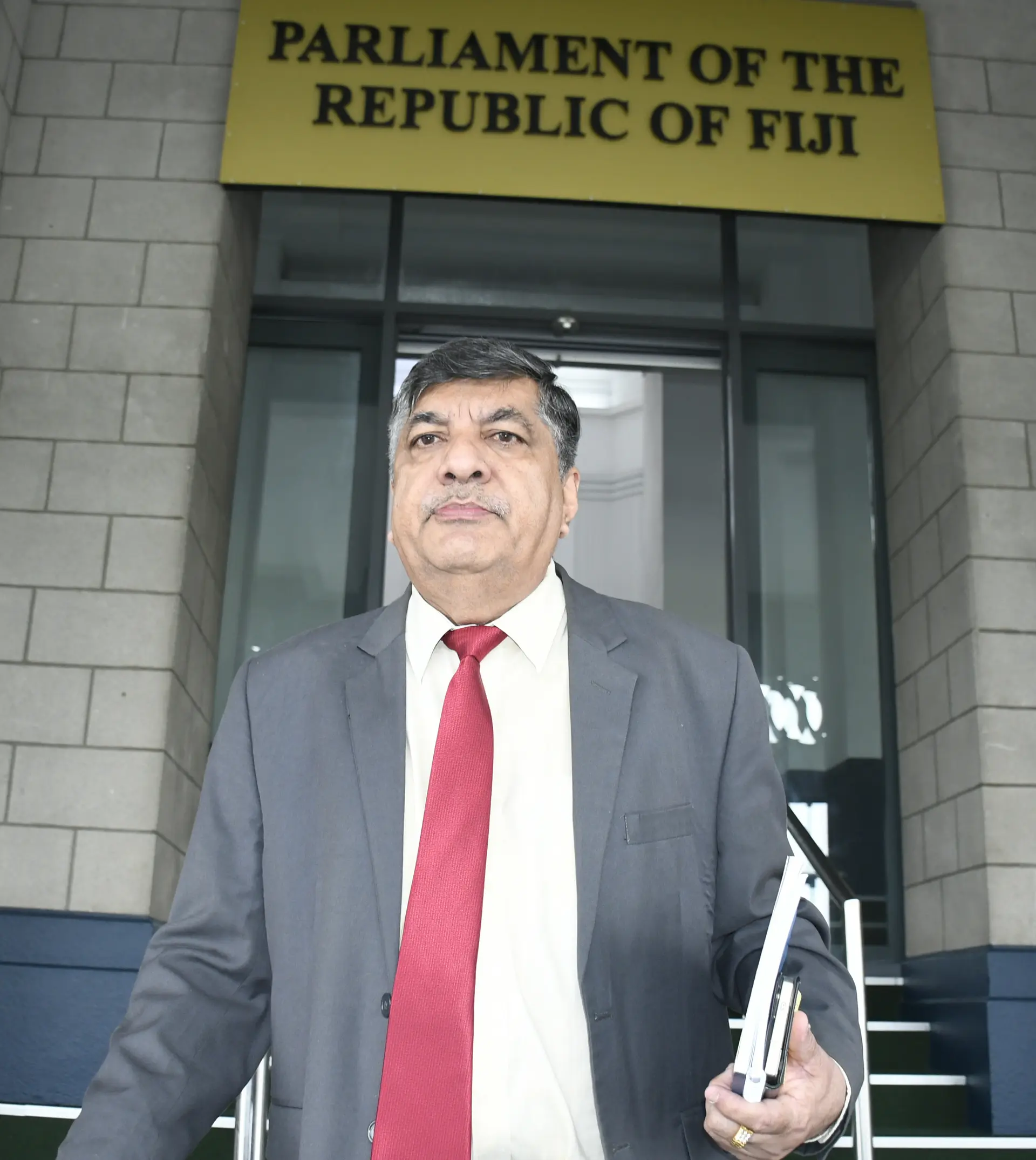
Member of Parliament Hem Chand presenting in Parliament on May 25, 2026.
Photo: Parliament of Fiji
Addressing teacher shortages and improving basic resources in schools are critical to building a truly modern education system.
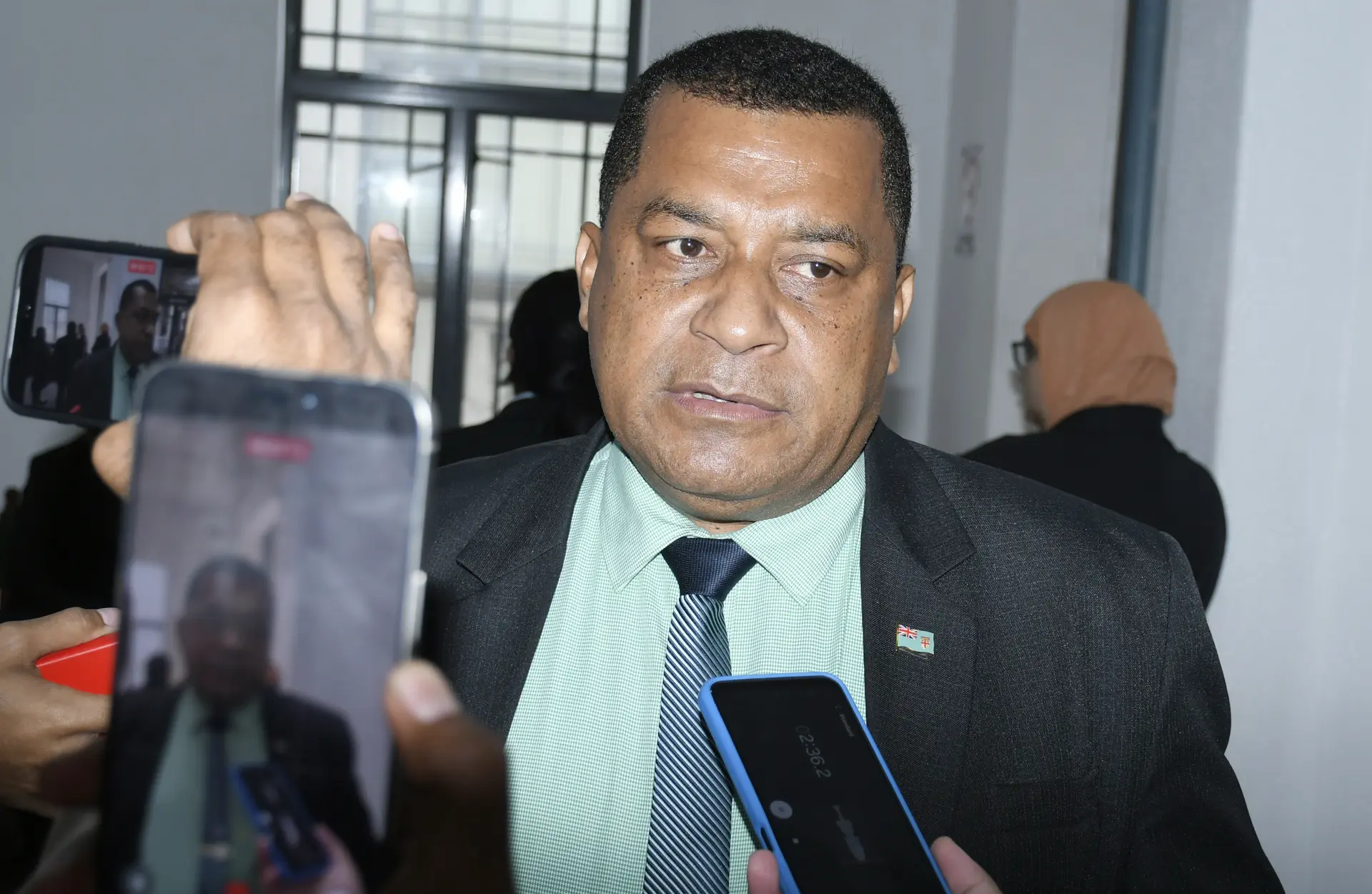
That was the sentiment raised by Member of Parliament Hem Chand while responding to Education Minister Aseri Radrodro’s ministerial statement in Parliament yesterday.
In his statement, Mr Radrodro outlined ongoing efforts by various review commissions and committees within the Ministry of Education to reform the education system.
Related stories
“The commission is in a reflection and analysis stage, systematically reviewing findings, school visit observations and research materials to identify key themes and patterns that will inform evidence-based recommendations to transform Fiji’s education system,” Mr Radrodro said.
“The commission remains on track and will deliver its final report to my office by the end of July, providing Government and stakeholders with strategic, evidence-based recommendations.”
Other committees involved in the reform process include the National Research Council, National Framework Review Committee and the Vice Chancellor’s Forum.
While welcoming the reform initiative, Mr Chand said meaningful modernisation must begin with addressing teacher shortages and ensuring schools were adequately resourced.
He said shortages of Physics and Mathematics teachers in some rural and remote schools highlighted inequalities between urban and rural students.
“Reforms on paper will mean very little unless we first invest in the people who carry the education system every single day — our teachers,” Mr Chand said.
“Many schools still face ICT and resource challenges. In some areas, teachers have limited access to computers, unreliable electricity, inadequate internet connectivity and insufficient ICT training.
“We cannot speak about modernising education while many classrooms still lack the basic tools necessary for effective teaching and learning.”
Mr Chand referred to the education systems in Finland and Singapore, saying teacher welfare reforms had shown sustainable improvements in student achievement only occurred when teachers were supported, motivated and respected, and when salaries aligned with the cost of living.
He said if Government truly wanted meaningful reform, priority must be given to improving teacher retention and increasing salaries.
Mr Chand said reforms should also include rural incentives, reducing unnecessary administrative burdens, filling vacancies in specialist subjects, strengthening teacher training and mentoring, ensuring