Fuel costs drive up food prices, vendors say
Market vendors report sharp rises in produce prices as fuel, fertiliser and labour costs continue to climb.
Tuesday 02 June 2026 | 07:30

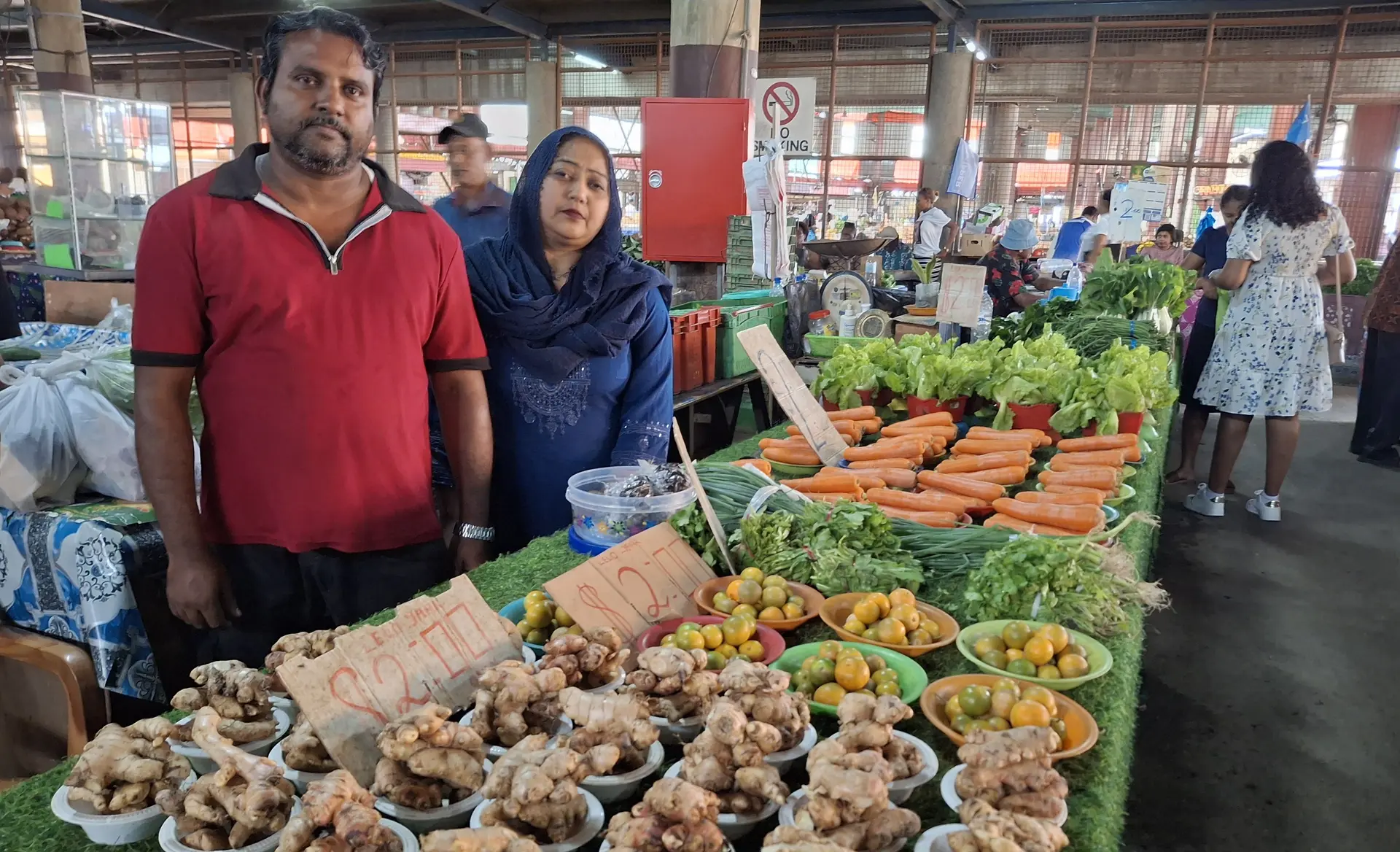
Rising fuel costs are pushing up the price of fresh produce across Fiji, forcing vendors and farmers to lift prices while squeezing household budgets and reducing market supply.
Market vendor Shan Mohammed, who has 18 years of experience, said fuel costs had doubled in recent weeks, resulting in higher prices for fresh produce.
He said many staple vegetables that once sold for $1 to $2 per bundle are now selling for $4 to $5, leaving customers with fewer affordable options.
Related stories
Mr Mohammed, who purchases produce directly from farmers, said he understood the challenges they face in maintaining production due to rising costs of fuel, water, fertiliser and labour.
“The rising fuel prices have caused market prices to increase, making it very difficult for vendors to survive,” he said.
“We understand why farmers have raised their prices because they rely on fuel for planting, irrigation and transportation. These costs affect the entire supply chain.”
He said many farmers rely on diesel-powered pumps for irrigation, adding further costs to their operations. Rising fertiliser and labour expenses have also made it more difficult to sustain production.
As a result, fewer vegetables are reaching the market, leaving some stalls with reduced stock.
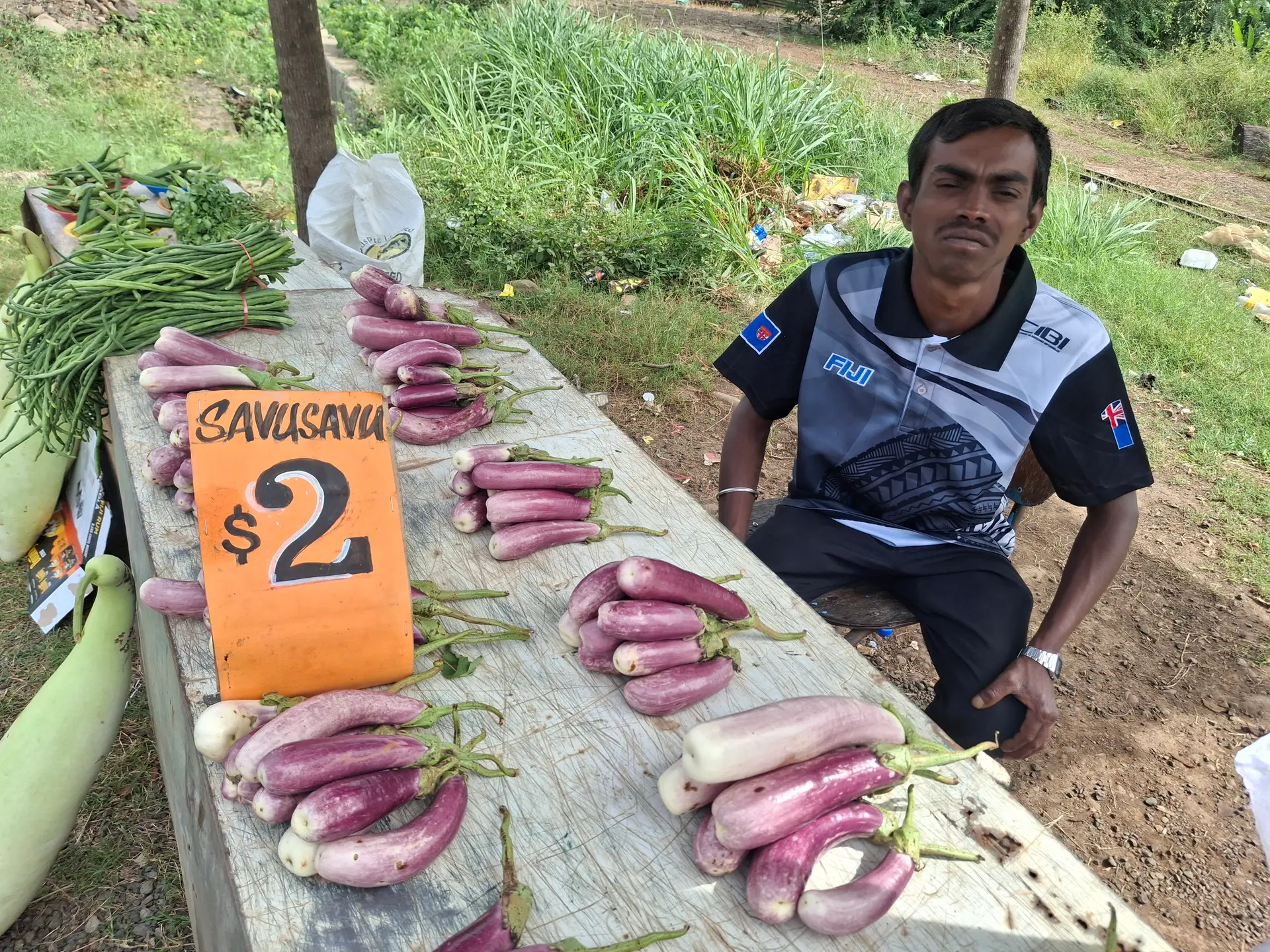
Navneel Narayan at the roadside at Vitogo, Lautoka.
“Customers are looking for cheaper products, but vendors cannot reduce prices because our costs are already very high,” he said.
“We often lower prices in the afternoon to clear remaining stock, but we continue to struggle financially.”
The father of two said maintaining sales has become increasingly difficult as customers become more price-conscious.
He said beans, which sold for about $2 per bundle only a few weeks ago, are now selling for $4 to $5. Other vegetables, including cabbage, lettuce and tomatoes, have also increased in price, with most now costing more than $2 per bundle.
“Last year, similar produce sold for $1 to $2 per bundle, but current fuel prices make it impossible to keep prices that low,” he said.
Mr Mohammed said he has never experienced conditions as challenging as those currently facing the market sector in his 18 years as a vendor.
His weekly diesel expenses have doubled from $100 to $200, significantly reducing his profits.
Living in Lautoka, he said these economic pressures are not unique to Fiji but are affecting people globally.
Meanwhile, Ba sugarcane and vegetable farmer Navneel Udesh Narayan said he does not rely solely on sugarcane farming for income.
“I also have a vegetable garden,” he said.
“I sell produce to vendors in Ba, and when I come to the Lautoka Market, I sell some directly to vendors and keep some to sell at the roadside from Monday to Friday.”
Mr Narayan said rising production and transport costs continue to pressure farmers, making it increasingly difficult to maintain affordable prices while sustaining their livelihoods.