FMA calls for stronger protection after healthcare workers' sea ordeal
Acting FMA president Dr Ronal Kumar said the incident highlighted the risks faced by healthcare professionals working in remote areas and underscored the need for better protection.
Saturday 01 August 2026 | 11:00
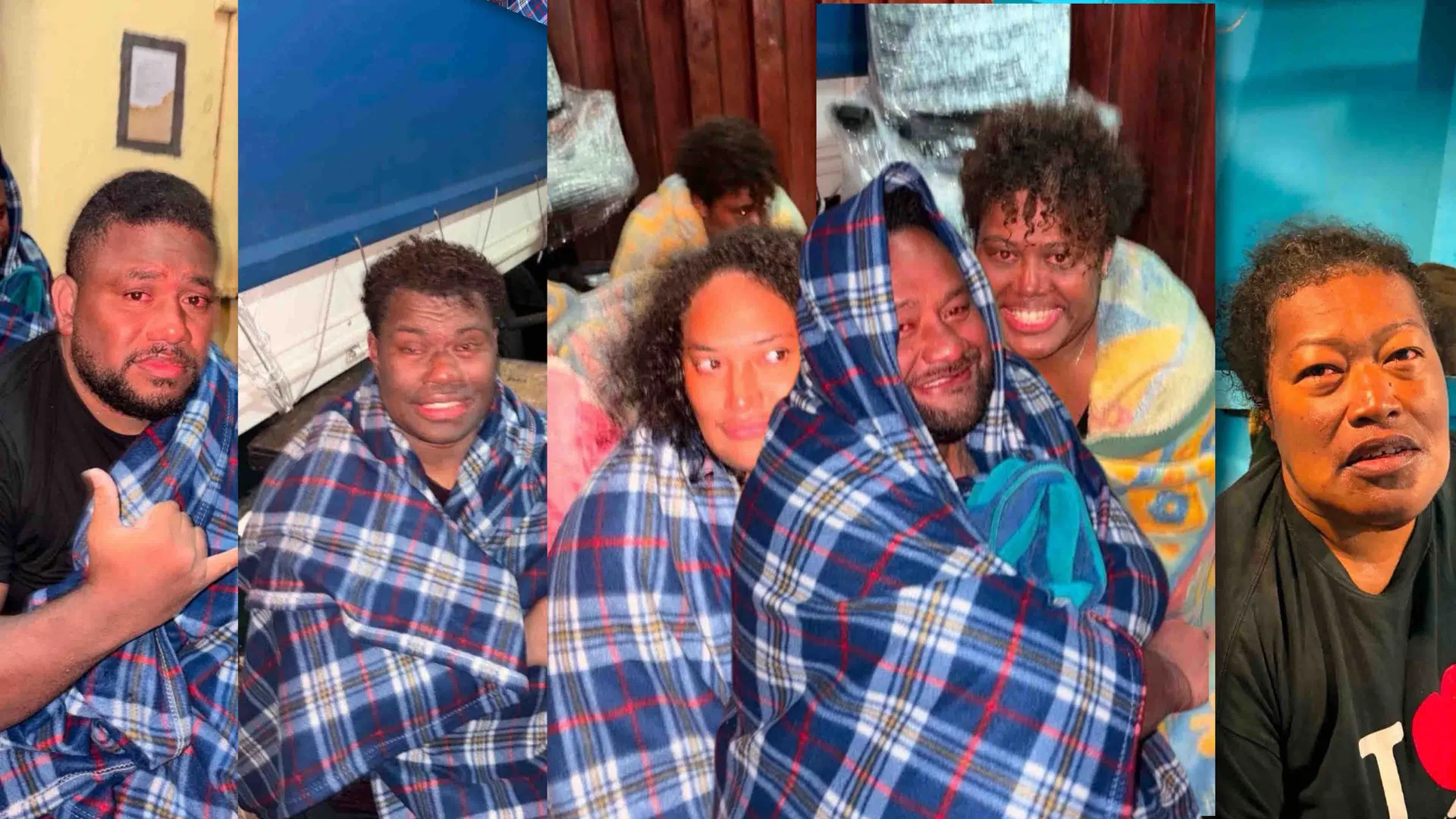
The six medical workers that survived more than 36 hours in open sea.
Supplied.
The Fiji Medical Association (FMA) is calling for stronger compensation measures and improved support for healthcare workers following the rescue of six medical professionals who spent hours at sea in the Lau Group.
The doctors had travelled to the islands to provide outreach medical services before their return journey was disrupted, triggering a search and rescue operation.
They were later found and rescued after spending hours at sea, prompting renewed concerns about the safety of healthcare workers who regularly travel to remote and maritime communities to deliver essential health services.
Related stories
Acting FMA president Dr Ronal Kumar said the incident highlighted the risks faced by healthcare professionals working in remote areas and underscored the need for better protection and broader compensation measures.
"We have previously assessed how doctors, the government and healthcare workers should be supported and looked after. This is not only a maritime issue; it is an issue affecting the entire country," Dr Kumar said.
He said the association deeply respected doctors, nurses and other healthcare workers who continued to serve remote communities under challenging conditions.
Dr Kumar said the incident should not be viewed as an isolated event.
"This was not an isolated incident. It is something that can happen again," he said.
He noted that similar situations had occurred in the past, recalling that several years ago one of the association's doctors experienced a comparable incident while serving in an outer island community.
Dr Kumar said healthcare workers frequently travelled long distances to reach patients and often faced dangerous conditions while delivering essential services. In rural and remote areas, medical staff regularly travelled over difficult terrain and coordinated emergency responses, placing their safety at risk.
"We have doctors, nurses and other healthcare professionals who regularly coordinate emergency responses and travel under challenging conditions.
"We need to be proactive. We must ensure that all healthcare workers are adequately protected before they are deployed."
He also called for compensation in cases involving permanent injury or disability.
"At present, if a healthcare worker suffers a permanent injury or disability, compensation is available through the Accident Compensation Commission. But what about incidents like this that may not result in permanent injury but still leave lasting physical or emotional effects?
"The most important form of compensation is ensuring that, before returning to work, healthcare workers are given adequate time to recover from what they have experienced," he said.
Dr Kumar said the Ministry of Health had a responsibility to support affected staff throughout their recovery.
"Our healthcare workers are incredibly resilient, but resilience alone is not enough. When incidences like these happen, they deserve our full support," he said.