‘Green steel’ bamboo undergoes rigorous testing for use in Fiji’s buildings
Researchers at Fiji National University are conducting advanced strength tests on giant bamboo to determine its suitability for safe, affordable and climate‑resilient construction.
Friday 09 January 2026 | 09:00
Updated 09 January 2026 | 14:48 FJT

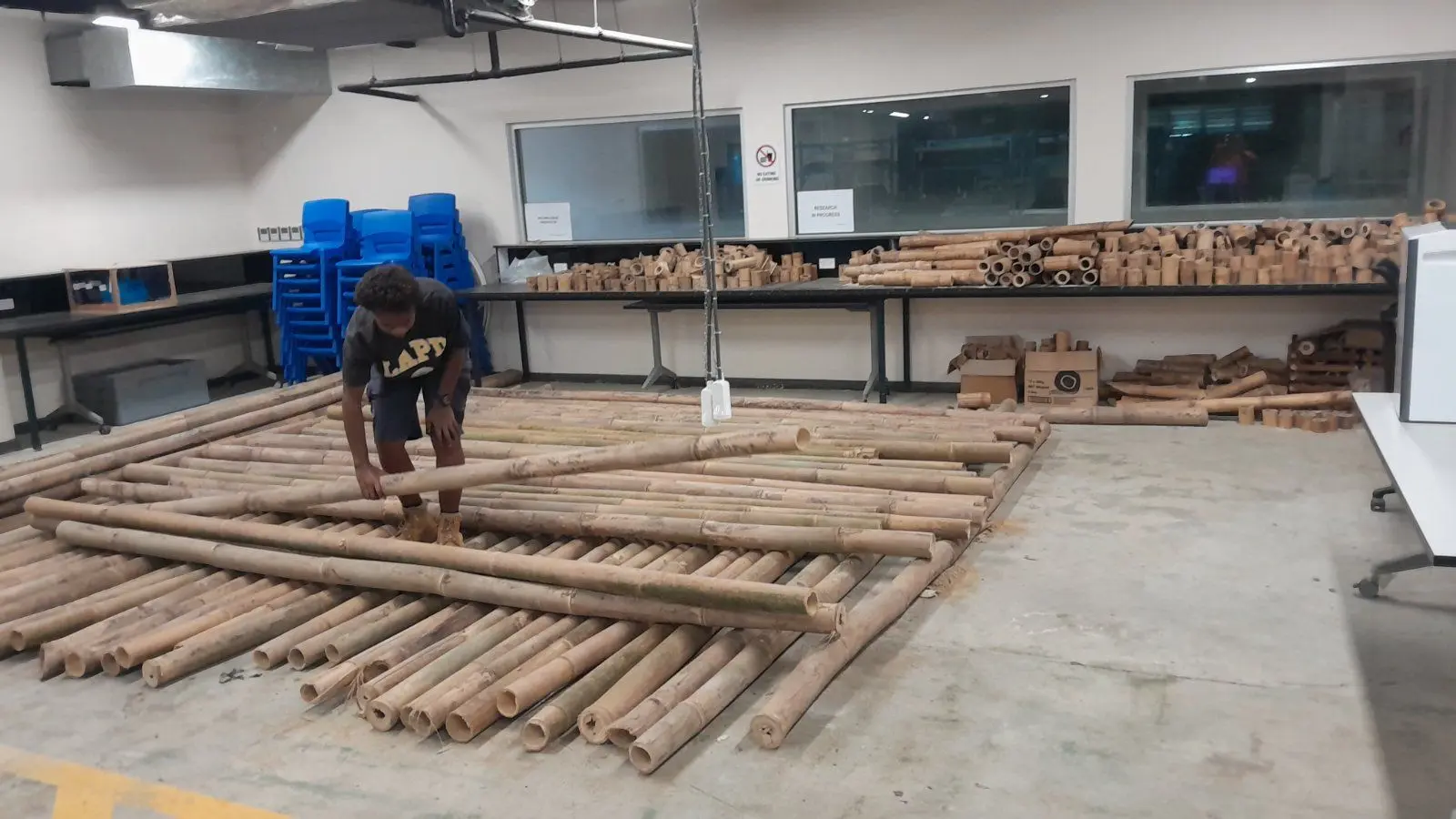
The FNU Bamboo Research Project, based at the university’s Research and Development Building at the Derrick Campus in Samabula, is focusing on the Dendrocalamus giganteus bamboo species, known for its rapid growth and high strength.
Photo: Supplied
Bamboo could soon play a major role in Fiji’s construction industry, as the Fiji National University (FNU) advances critical structural testing that could pave the way for safer, greener and more affordable building solutions.
The FNU Bamboo Research Project, based at the university’s Research and Development Building at the Derrick Campus in Samabula, is focusing on the Dendrocalamus giganteus bamboo species, known for its rapid growth and high strength.
Researchers have completed compressive strength testing, which measures the bamboo’s ability to withstand heavy loads, a key requirement for materials used in buildings and infrastructure.
Related stories
The project has now moved into shear strength testing, which examines how bamboo performs when subjected to forces that cause internal sliding.
These forces are common during cyclones, earthquakes and everyday structural stress.
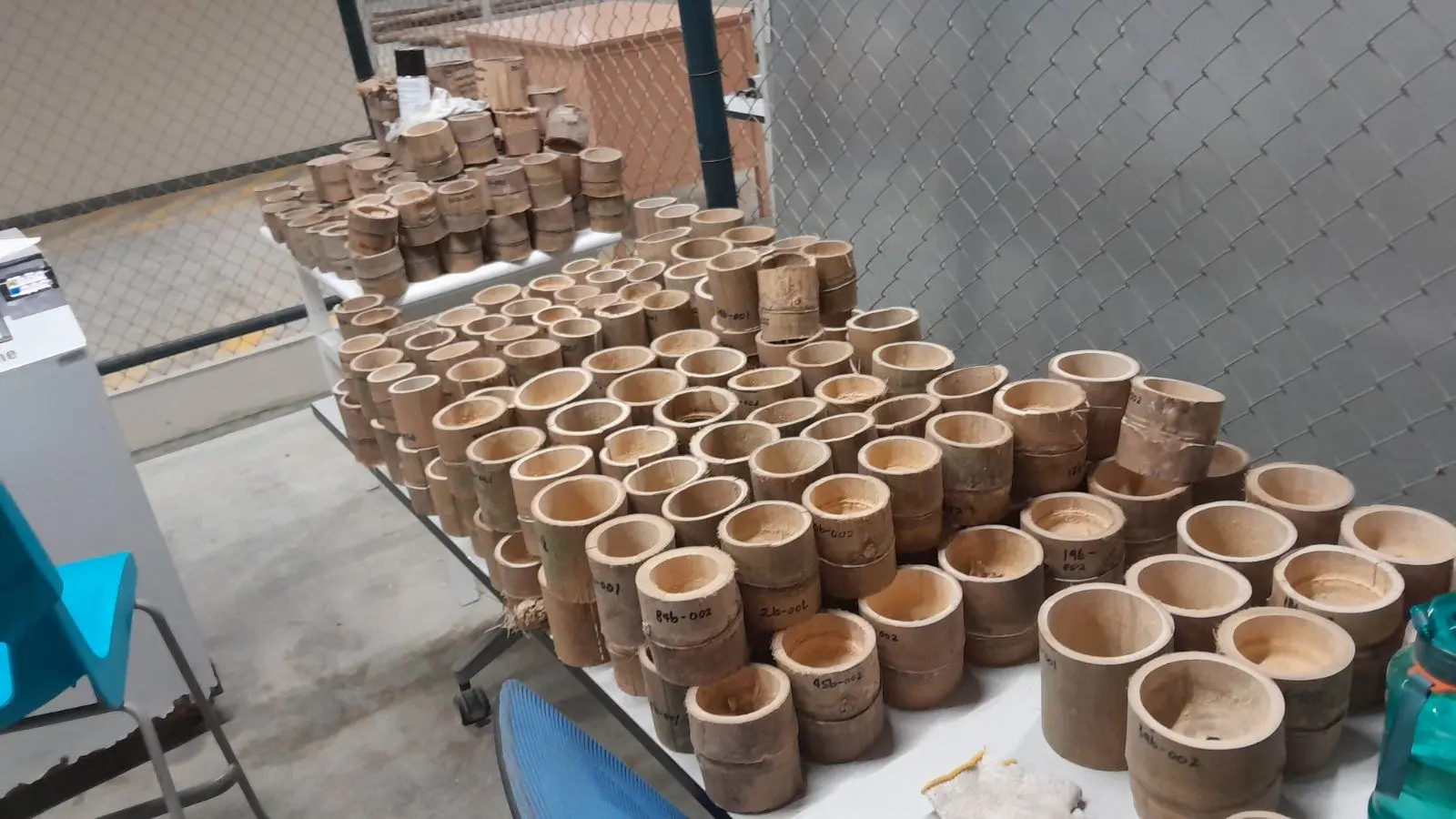
The FNU Bamboo Research Project, based at the university’s Research and Development Building at the Derrick Campus in Samabula, is focusing on the Dendrocalamus giganteus bamboo species, known for its rapid growth and high strength.
Photo: Supplied
According to project researchers, the tests are essential in determining whether bamboo can meet safety and performance standards required for construction use.
“This research is about providing scientific evidence that bamboo can be a reliable and safe material for structural applications in Fiji,” an FNU researcher said.
The next phase of testing will involve 108 bamboo poles being transported to the Ministry of Forestry’s laboratory in Nakasi for flexural bending tests, scheduled to begin next week.
The tests will run for approximately one week and will assess how the bamboo performs under bending pressure.
Flexural strength data is crucial in determining whether bamboo can be used for beams, frames and other load-bearing components.
The joint testing programme is a significant milestone, marking only the second time in Fiji that such standardised and official bamboo testing has been conducted through a collaboration between a local university and a government agency.
The Ministry of Forestry says the partnership reflects a shared commitment to sustainable development and the responsible use of local resources.
“Bamboo has strong potential to support climate-resilient construction while creating new economic opportunities for communities,” a ministry official said.
Often referred to globally as the “green steel of the 21st century”, bamboo is renewable, absorbs carbon dioxide and matures far faster than traditional timber.
Researchers say the data gathered will help develop national standards for bamboo use, reduce reliance on imported materials and support affordable housing initiatives.
As Fiji continues to face climate and development challenges, the FNU Bamboo Project signals a bold step toward innovation-driven, sustainable growth.