More than 21,000 tonnes of cane left unharvested
Labour shortages, transportation constraints and delayed harvesting were among the major challenges affecting the industry throughout the season.
Friday 27 November 2026 | 08:00

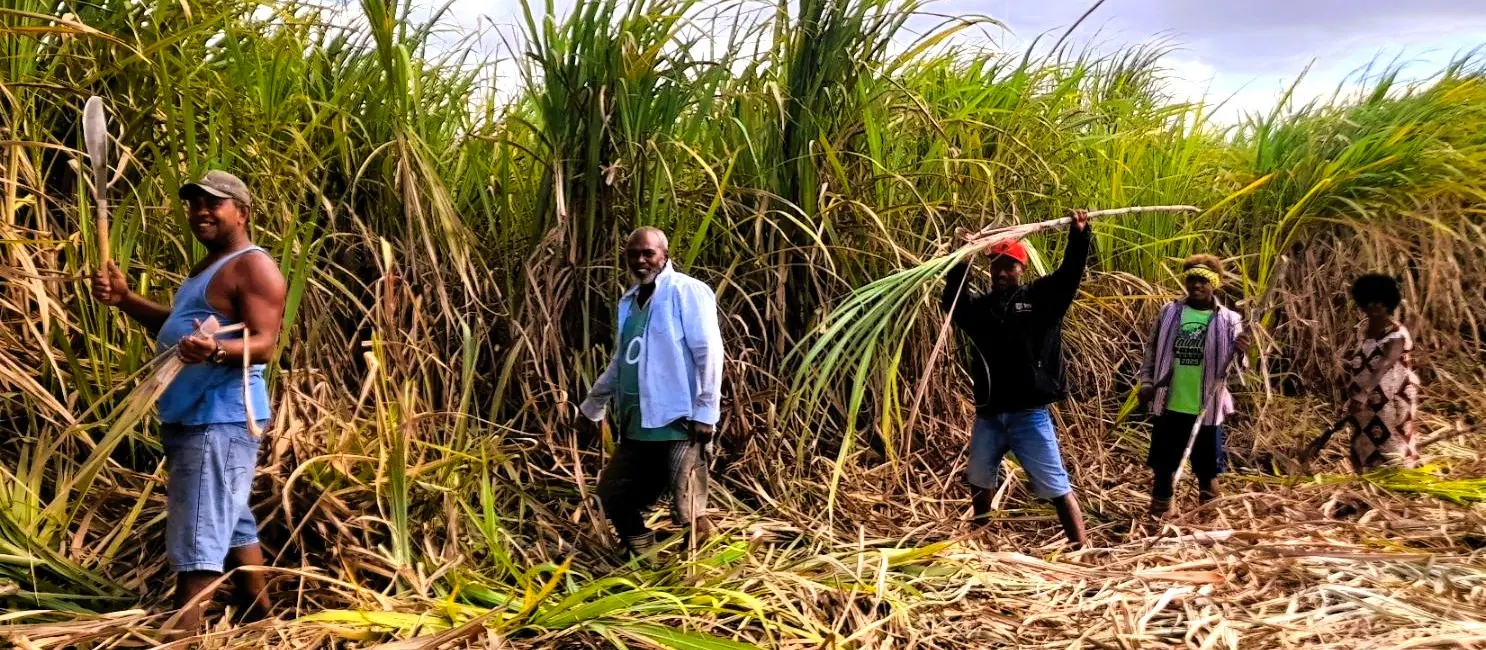
Sugarcane harvesting gang cutters at a farm in Labasa.
Photo: Sampras Anand
Approximately 21,430 tonnes of sugarcane have been left unharvested following the conclusion of Fiji’s 2026 crushing season, despite Government assistance and an extension of the harvesting period.
The Fiji Sugar Corporation (FSC) confirmed today that Lautoka accounted for the largest portion, with approximately 15,600 tonnes of standing cane remaining in the fields.
Labour shortages, transportation constraints and delayed harvesting were among the major challenges affecting the industry throughout the season.
Related stories
FSC said while mechanical harvesting proved effective in relatively flat areas, growers in hilly and undulating areas continued to experience difficulties where mechanisation was not feasible.
“A shortage of manual harvesting labour, coupled with high labour demands, made harvesting increasingly difficult and, in some instances, economically unviable for growers.”
Low harvesting output restricted the volume of cane delivered to mills, resulting in frequent supply interruptions and affecting processing efficiency.
FSC bears transportation costs
Lautoka Mill was particularly affected, with growers supplying approximately 50 per cent of the mill’s required daily cane volume.
To maintain operations, FSC facilitated the transfer of approximately 77,769 tonnes of cane from the Rarawai Mill area to Lautoka, bearing the full cost of transportation.
Delayed start to crushing
All three mills commenced crushing later than the dates announced by the Sugar Industry Tribunal (SIT).
Lautoka Mill was scheduled to begin crushing on June 10 but did not commence operations until July 14, a delay of more than one month.
Rarawai Mill began crushing on July 1 instead of June 16, while Labasa Mill commenced operations on July 2 instead of June 17.
“The delays followed a boycott of harvesting by growers, with issues related to increased transportation costs arising from escalating fuel prices and uncertainty surrounding a guaranteed cane price,” FSC said.
Harvesting resumed following Government intervention, which included a guaranteed cane price, fuel subsidies and a manual harvesting grant.
However, cane supply remained inconsistent during the initial weeks of crushing.
“The delayed commencement and slow mobilisation of harvesting activities extended the crushing period and increased FSC's operational expenditure.”
The corporation said it remained committed to working with growers and industry stakeholders towards a more resilient, productive and sustainable sugar industry.