Nabavatu villagers expected to relocate by October
Villagers have lived in temporary tents since Tropical Cyclone Ana in 2021.
Friday 22 May 2026 | 05:30

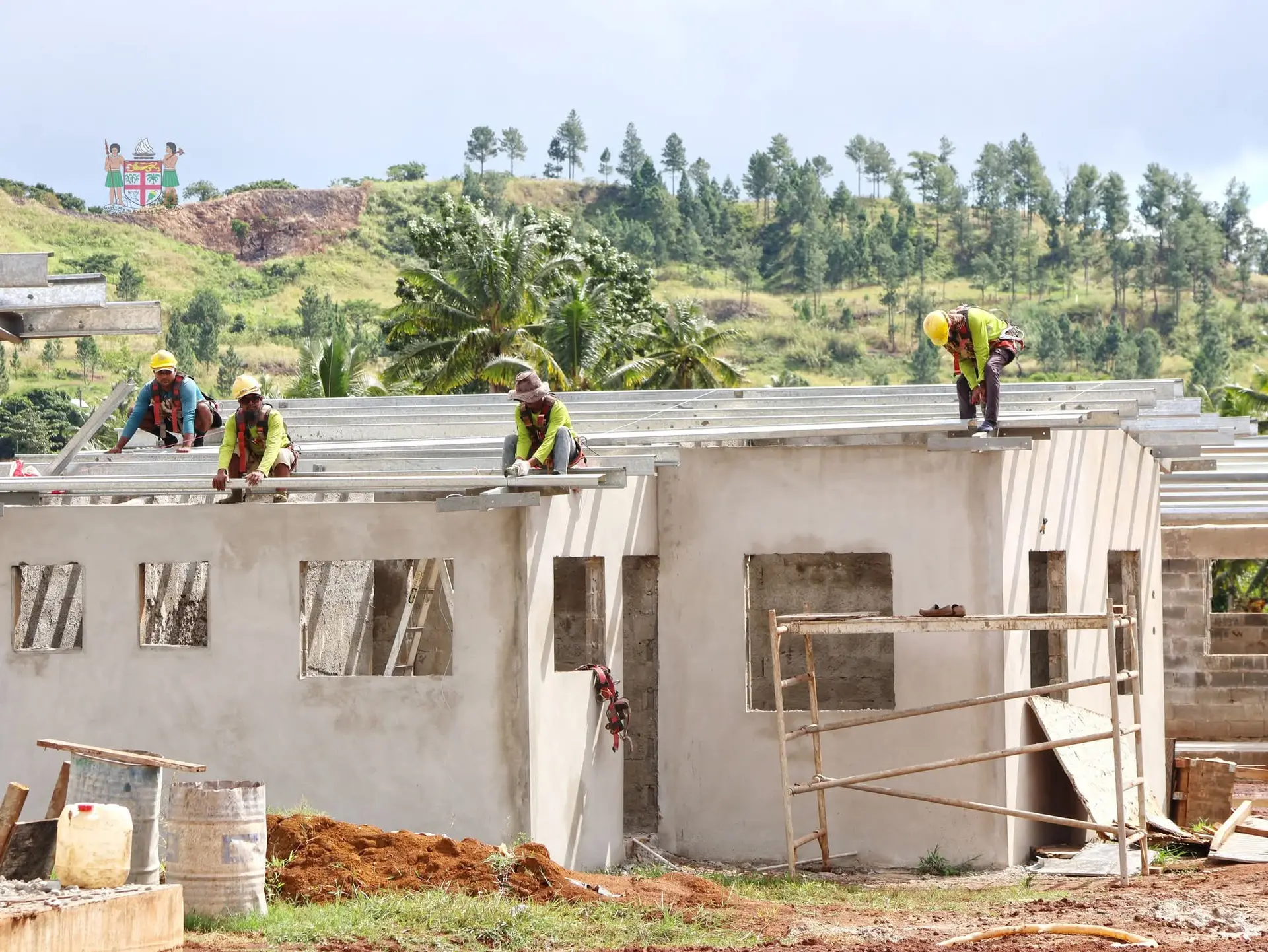
Nabavatu villagers displaced since Tropical Cyclone Ana are expected to move into permanent homes by October under Fiji’s first state-led climate relocation project.
The villagers in Dreketi, Macuata who have been living in temporary tents since 2021 are expected to relocate to their new site at Nadoiviri.
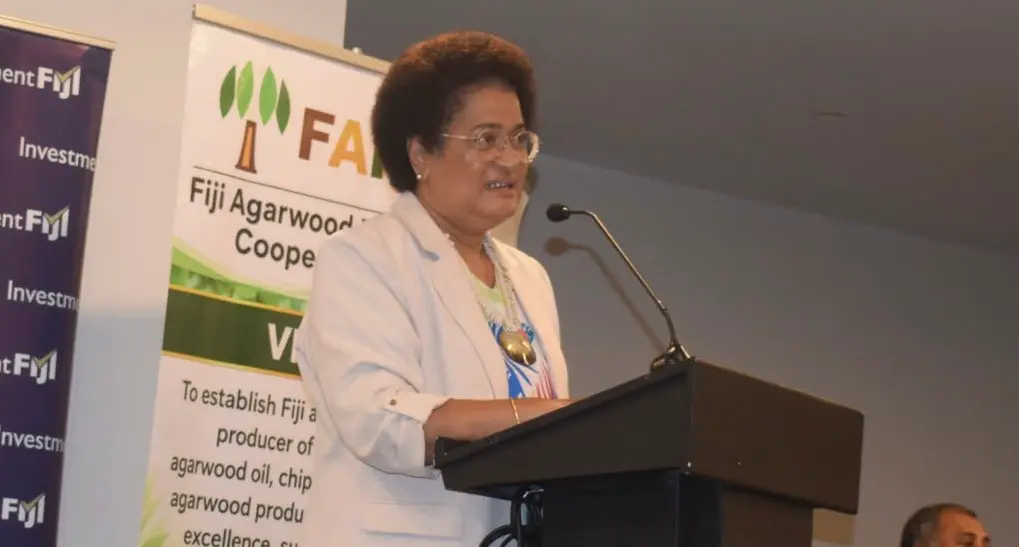
Minister for Environment and Climate Change Lynda Tabuya confirmed this after visiting the relocation project site for the first time on Wednesday.
Related stories
Speaking during an interview, Ms Tabuya said construction of the 37 homes by a private contractor was progressing on schedule.
The villagers are currently sheltered on Assemblies of God Church land in Savadrua, a few metres from Nabavatu Village.
The relocation became necessary after Tropical Cyclone Ana triggered destruction to homes and land through flooding and landslides.
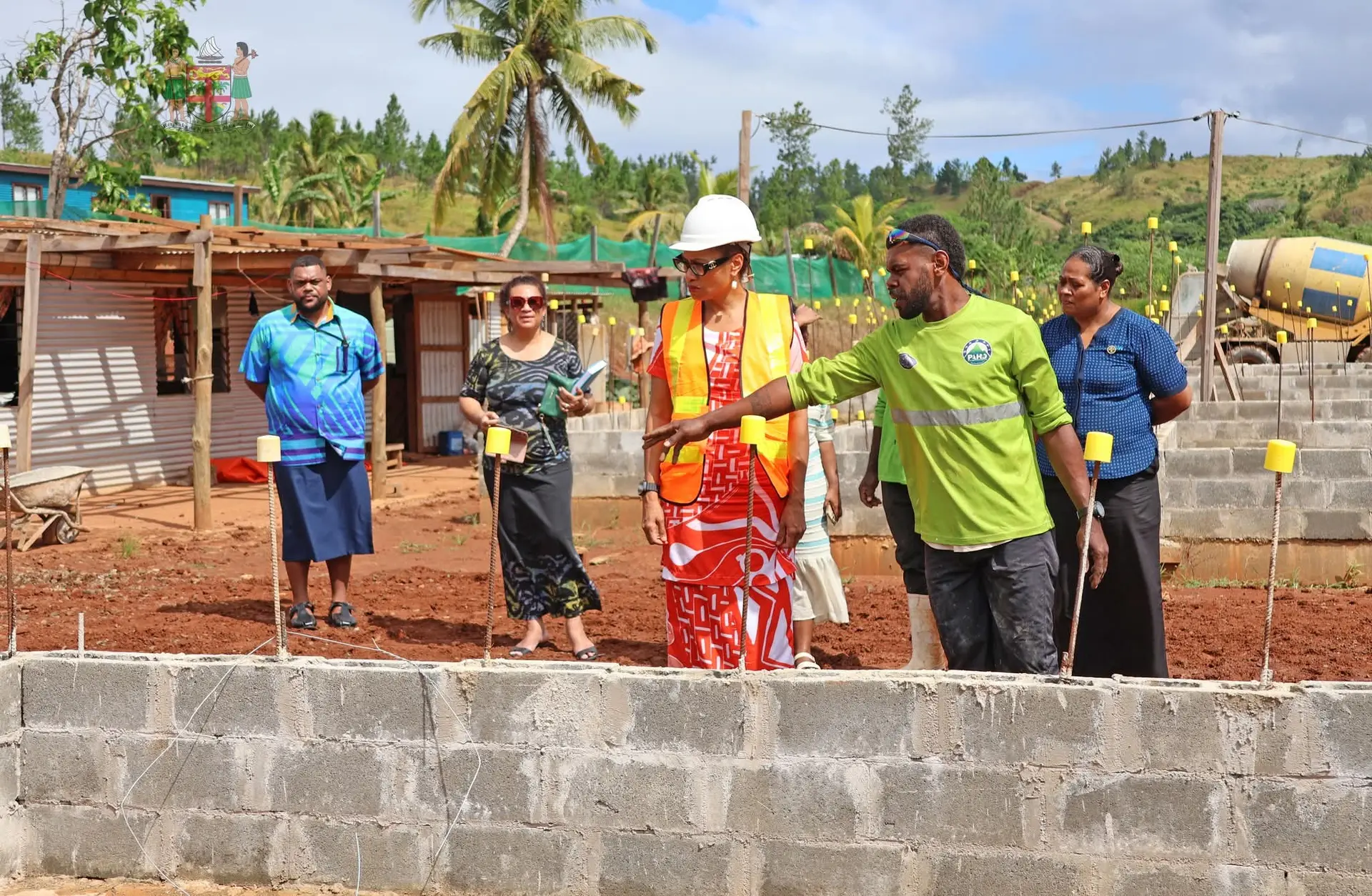
Minister for Environment and Climate Change Lynda Tabuya with her staff visited the relocation site at Nadoiviri in Macuata on May 20, 2026.
Photo: DEPTFO News
The Nabavatu relocation project is Fiji’s first state-led planned relocation implemented under the Standard Operating Procedures for Planned Relocation.
Asked whether she sympathised with villagers who had lived in tents for more than five years, Ms Tabuya said she understood their situation.
“I am aware that they have been living in tents for too long and I feel for them, and the Government is doing something about it,” Ms Tabuya said.
“The project involves an investment of $5.9 million for the construction of 37 homes and is fully funded through the Climate Relocation of Communities Trust Fund under the ministry, with additional support expected from development partners, including the New Zealand Government as the major donor.”
She said the new relocation site remained within the same district and close to the old village, allowing families to maintain cultural ties and continue accessing customary land, farms and traditional livelihood areas.
The homes are being built with reinforced concrete and corrugated iron roofing to improve durability and reduce long-term maintenance risks such as termite damage.
Each house includes two bedrooms, an interior kitchen, laundry area and living space, reflecting minimum standards for safe and dignified resettlement.
The relocation project is being implemented by the Ministry of Rural and Maritime Development and Disaster Management, with oversight from the Fiji Taskforce on Relocation and Displacement and coordination by the Office of the Commissioner Northern.