Opinion: Borrowed time — Tough choices Fiji can't keep putting off
Sunday 07 June 2026 | 15:00
Act now. Because borrowed time runs out faster than anyone expects.
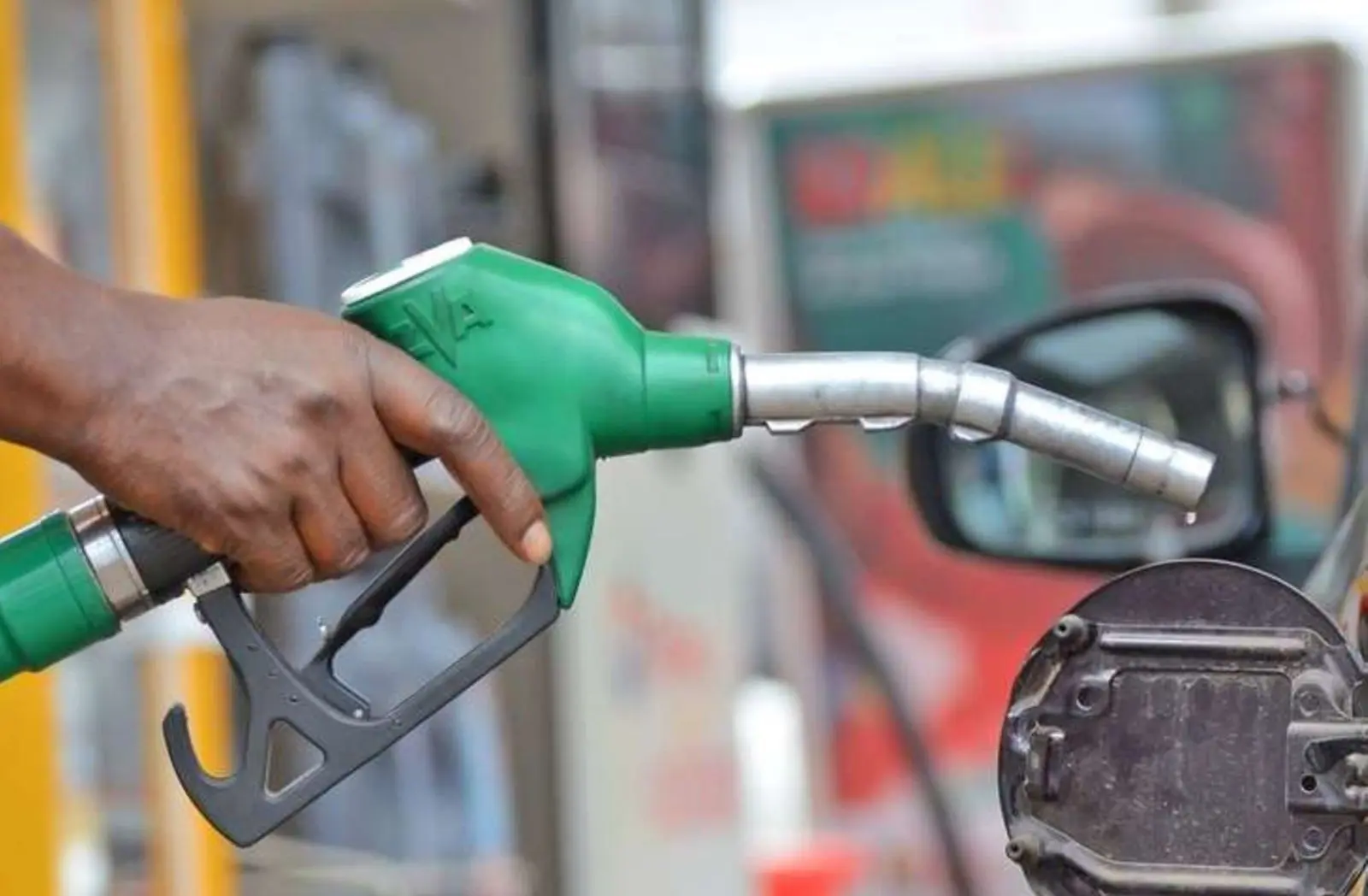
While President Trump insists “talks with Iran are going well,” the US attacked a fuel tanker near Kharg Island. Iran retaliated against targets in Bahrain and Kuwait. The Strait of Hormuz remains shut. And here in Fiji, we are beginning to feel the painful threshold of the coming fossil fuel crisis.
Trump lives in a Washington bubble where words still matter. But Hormuz does not negotiate. Oil tankers burn or sit idle. The only thing that will reopen that strait is an Iranian decision — not a White House press release. And certainly not an Israeli foreign minister’s spin about a war that Israel nudged the US into, selling it as a quickie. But quickies never provide any satisfaction.
For Fiji and the Pasifika, this is no longer a foreign war. It is a domestic energy emergency.
Related stories
Our Pasifika neighbours face the same vulnerability. There are no regional fuel reserves and no strategic buffer. If shipping lanes are disrupted further, the entire Blue Pasifika will feel the pain together. But Fiji, as the regional hub, must lead — not with speeches, but with action.
A major newspaper warned last month that the world is on “borrowed time” because of the growing energy crisis. Seventy-six countries have already taken emergency action. Fiji is not on that list — yet. But if we wait until we are, only damage control will be left.
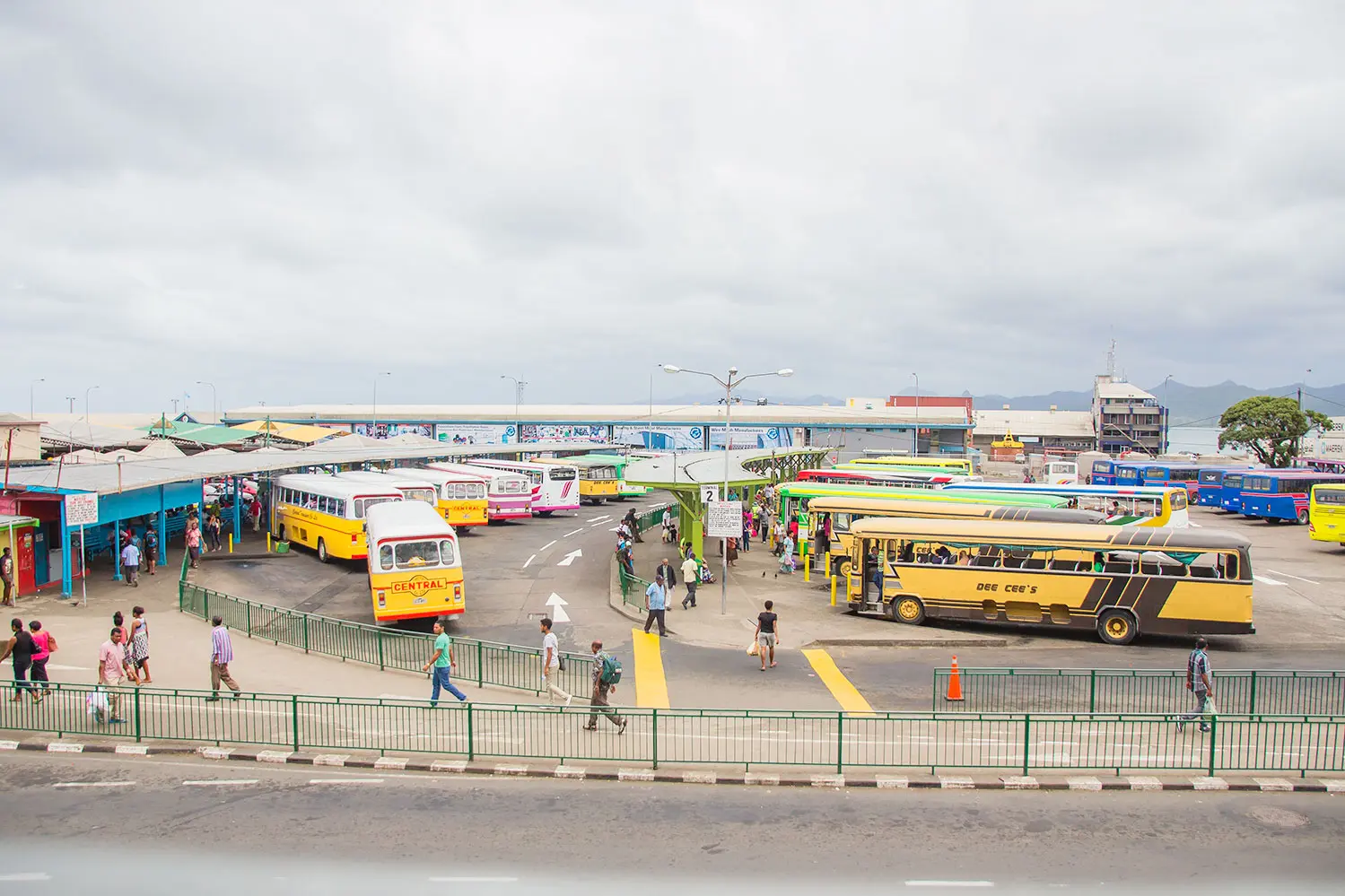
Global oil demand is far outpacing supply. Stockpiles are draining fast. Fiji has no real fuel reserves. Our economy is fragile. Our power grid already struggles at peak times. Families are already paying more for bus fares. Market vendors are raising prices because transport costs have surged. Small businesses are one blackout away from closing for good.
Government must get off its high horse. The National Security Council (NSC) should now meet weekly, track global oil markets and issue binding orders. Silence right now is negligence.
Here is what the Government must consider seriously — before the crisis forces its hand:
- Mandatory work from home – All non-essential public workers should work from home at least three days a week. The private sector should follow. Every car kept off the road saves fuel immediately.
- Cut traffic aggressively – Alternate-day driving based on odd and even licence plates; bus lanes on the Suva-Nausori corridor with cheaper fares; restrictions on fuel sales for non-essential trips if shortages occur; and vehicle-pooling mandates for government fleets, including ministers.
- Planned power cuts, not random chaos – Energy Fiji Limited (EFL) must prepare load-shedding plans now. Publish a clear rotating schedule in newspapers, on social media and by SMS. Example: “Your area loses power from 8am to 6pm on Tuesday and Thursday.” Hard, but predictable. Hospitals, water pumps and the airport must be exempt. Predictability saves lives and food.
- Government must lead by example – Every ministry should set air conditioning at a minimum of 24°C, switch off lights and equipment after hours and shift work to daylight hours. You cannot ask families to sacrifice while Government lights burn all night.
- Four-day work week for non-essential sectors – Work four longer days and shut down completely on the fifth. No commuting, no lights, no air conditioning.
- Outer islands and rural areas – Fuel shipments to Vanua Levu, Taveuni, Lomaiviti, Lau, Kadavu, Yasawa and Rotuma could become irregular. Pre-position fuel and essential supplies now. Every district needs a local emergency plan rather than waiting for Suva.
- Tourism – Hotels must publish backup plans. Tourists will cancel if they hear of chaos. Acting now protects jobs and foreign income.
- State of Emergency – The combination of energy, drugs, HIV and NCD crises now calls for a State of Emergency. Not military rule, but legal powers to act quickly: work-from-home mandates, driving limits, load-shedding schedules and conservation orders without parliamentary delays. We did it for COVID. This is just as urgent.
What ordinary Fijians can do now – Start vehicle pooling. Turn off appliances at the wall. Freeze water bottles — if power goes out, they can keep your fridge cold for hours. Talk to your neighbours. Community preparedness is our secret weapon.
Beyond individual action, consider the economic ripple effect: every week of delayed action pushes more families into poverty. The cost of diesel for fishing boats has already doubled in some areas. If we wait for a full-blown shortage, the price of fish, root crops and imported rice will spiral beyond the reach of thousands of Fijian households. Acting now is not just about keeping the lights on — it is about food security.
The war is at a stalemate. The ceasefire shows no sign of moving to the next stage. Negotiations are checkmated. Tit-for-tat attacks illustrate the chaos that will return without serious goodwill on both sides. Iran has geography and time. The US has the watch and its midterm elections.
Fiji must act like it. We are living on borrowed time. The only question is: will our Government make these hard decisions before the lights start flickering and the pumps run dry?
Act now. Because borrowed time runs out faster than anyone expects.