Pacific leaders warn of disaster response gaps
Delegates meeting in Fiji say better coordination and connected systems are vital as disaster risks across the Pacific become more complex.
Tuesday 14 April 2026 | 06:30

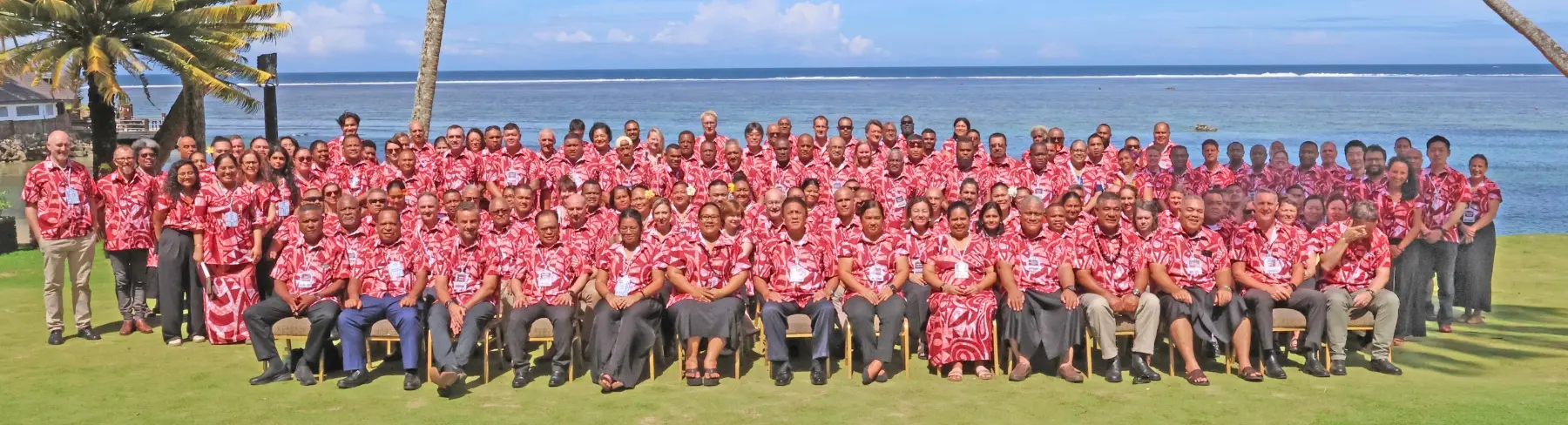
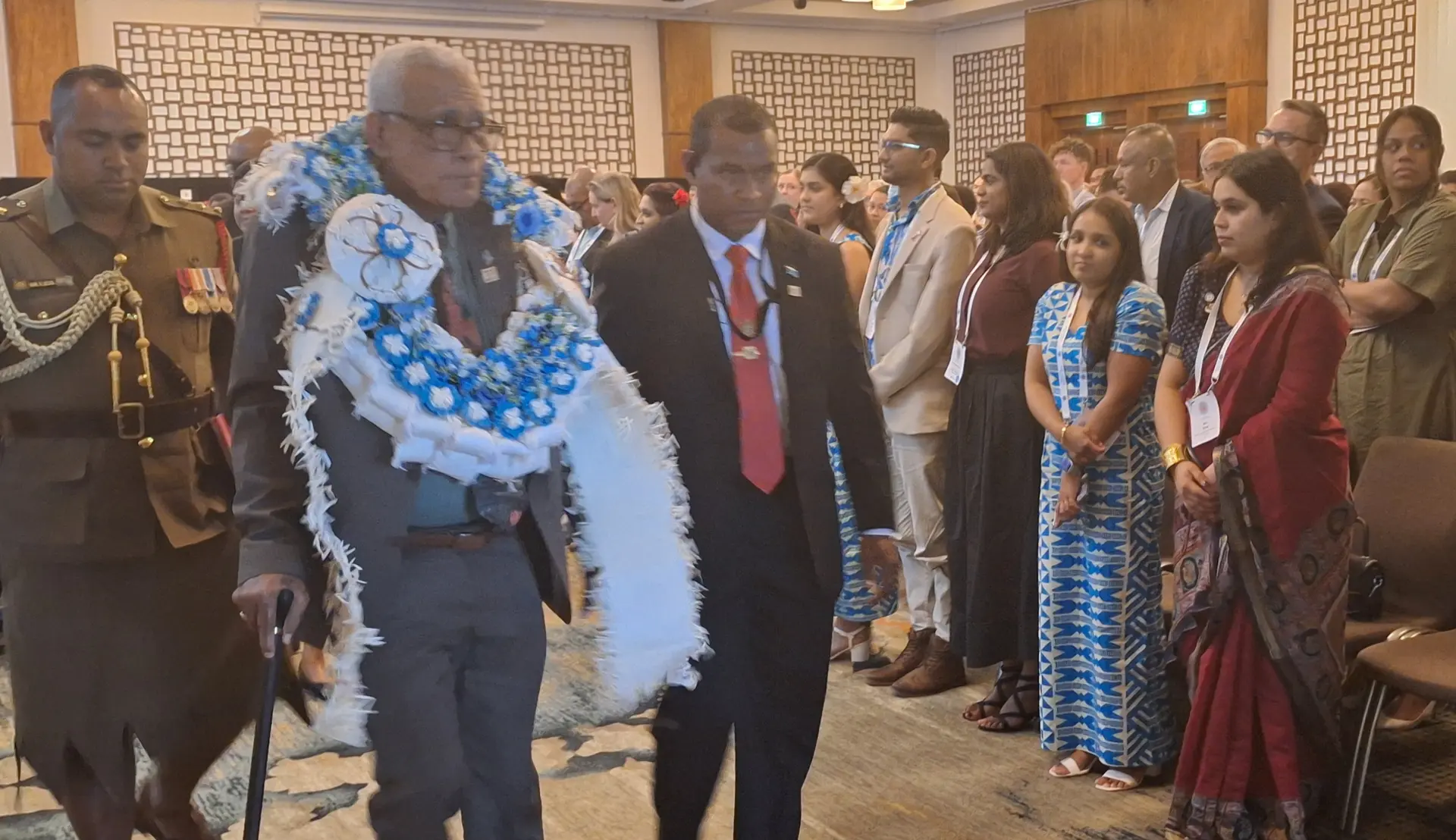
Delegates at the 2026 Pacific Regional Disaster and Emergency Managers Meeting (PRDEMM) at the Warwick Hotel in Nadroga.
Photo: Pacific Community
Pacific disaster leaders have warned of critical gaps in emergency response as risks intensify across the region.
They are calling for stronger coordination and more connected systems.
Meeting in Fiji for the 2026 Pacific Regional Disaster and Emergency Managers Meeting (PRDEMM), delegates said improving how countries work together is key to protecting communities facing increasingly complex threats.
Related stories
The week-long meeting opened yesterday at the Warwick Resort and Spa in Nadroga, bringing together heads of delegations from the Pacific region, national disaster management office directors, chiefs of police and fire services, civil society groups, United Nations agencies and development partners.
Pacific Community (SPC) Geoscience, Energy and Maritime (GEM) Division director Rhonda Robinson said the region must address persistent gaps in preparedness and response.
“We’ve all sat in those moments before a response kicks in, wondering whether the pieces are actually aligned,” she said.
“Whether the supplies are where they need to be and whether the warning got through is a familiar tension.”
She said closing those gaps was why regional cooperation was critical.
“When our people know each other, when our systems talk to each other, we are far better placed to protect communities.”
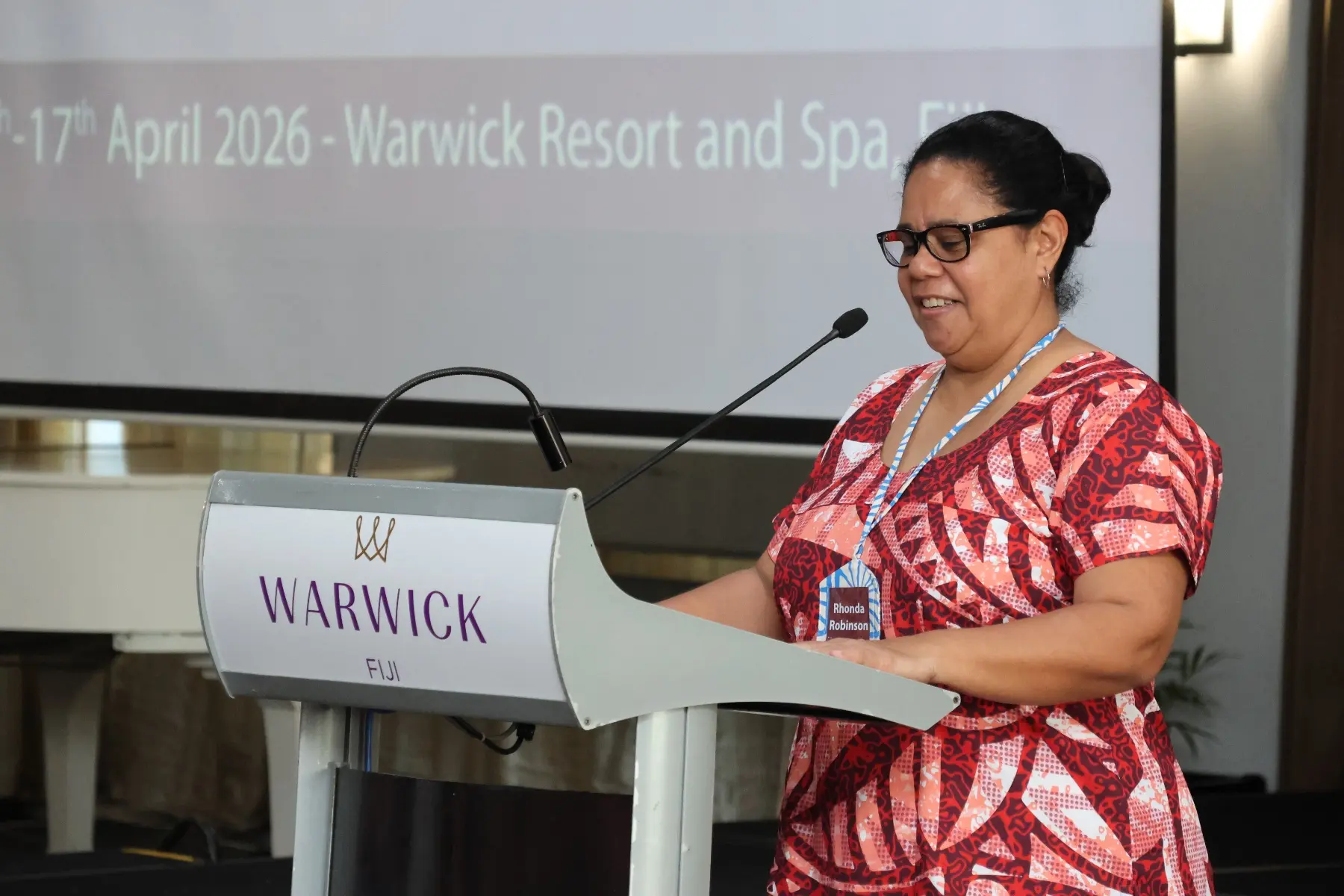
Pacific Community (SPC) Geoscience, Energy and Maritime (GEM) Division director Rhonda Robinson.
Photo: Supplied
Ms Robinson said risks were becoming more complex, with several Pacific countries already responding to or recovering from cyclones and tropical depressions.
“We gather at a time when risk is growing more complex, and the effects are closer to home.
“Across the Pacific right now, countries are responding to or recovering from events. That should focus our thinking,” she said.
She also stressed SPC’s Disaster and Water Resilience Programme, noting a shift towards recognising water security as central to resilience.
Ms Robinson said resilience efforts must be community-driven and inclusive.
“Resilience is not built in silos, and it’s not built for communities; it’s built with them. That means embedding climate action and disaster risk management into national strategies and ensuring the people most affected have a real voice in shaping them.”
“As we begin this week together, may our discussions be grounded, our thinking open, and our resolve steady, guided always by the wellbeing of our Pacific people,” she said.