RFMF urged to make 40% of new recruits women by 2030
Gender assessment calls for leadership quotas, stronger accountability and improved family policies.
Wednesday 08 July 2026 | 14:00
Updated 08 July 2026 | 15:09 FJT

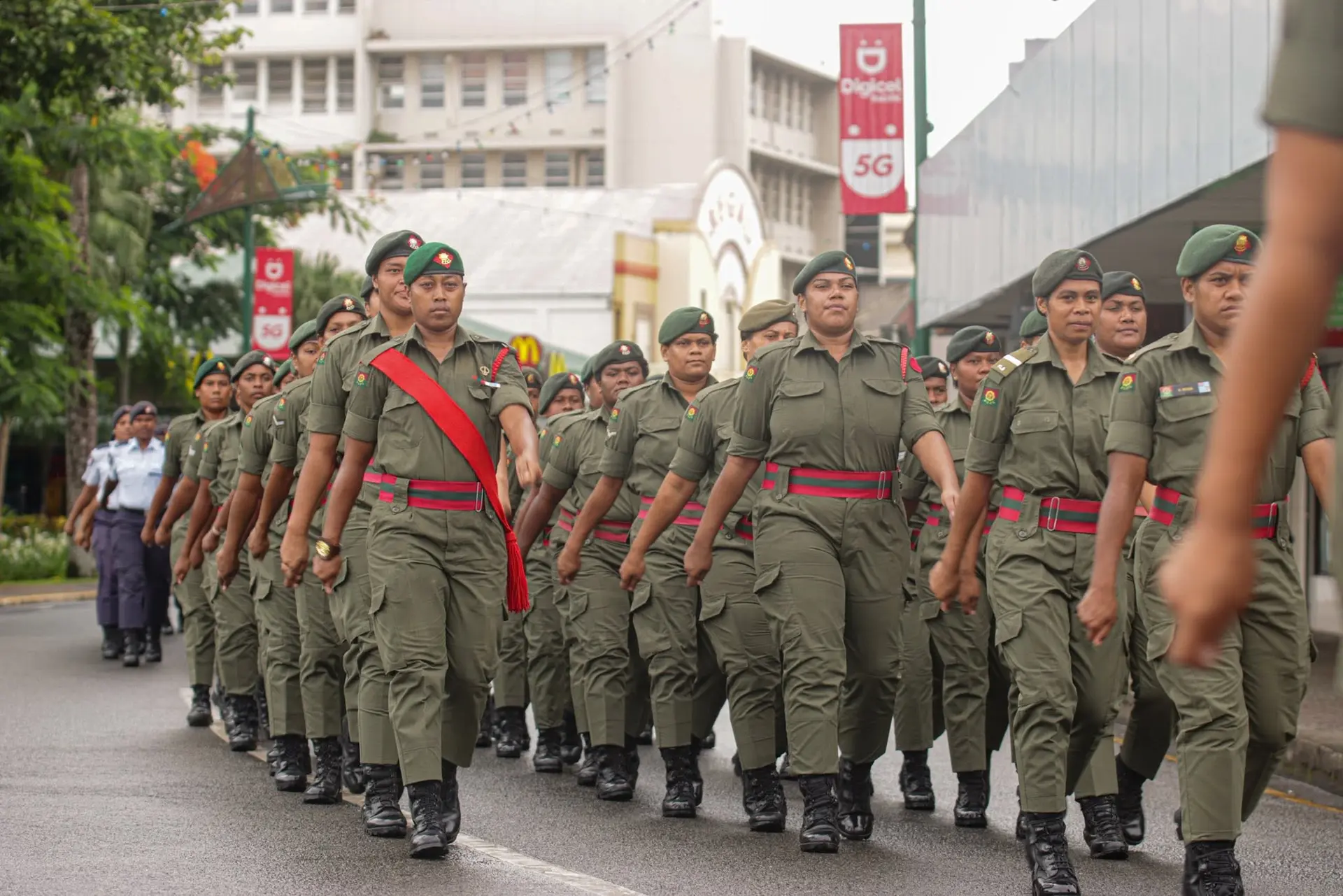
A new gender assessment has recommended the RFMF aim for women to make up 40% of new recruits by 2030.
Photo: RFMF Media Cell
The Republic of Fiji Military Forces (RFMF) should aim for women to make up 40 per cent of new recruits by 2030, according to recommendations from a major gender assessment of the force.
The 2026 Measuring Opportunities for Women in Peace Operations (MOWIP) report found women currently account for just 10 per cent of RFMF personnel, below United Nations targets requiring women to make up 25 per cent of military observer roles and 15 per cent of overall troop contributions by 2028.
Researchers recommended that women make up at least 20 per cent of senior leadership positions by 2030.
Related stories
The report also called for the establishment of an independent complaints office and formal whistleblower policy to address gaps in internal accountability.
On family policies, researchers recommended that paternity leave be reinstated as a separate entitlement from annual leave after the benefit was removed following concerns that some men had misused it.
The report recommended a minimum of five paid days of paternity leave, in line with national policy.
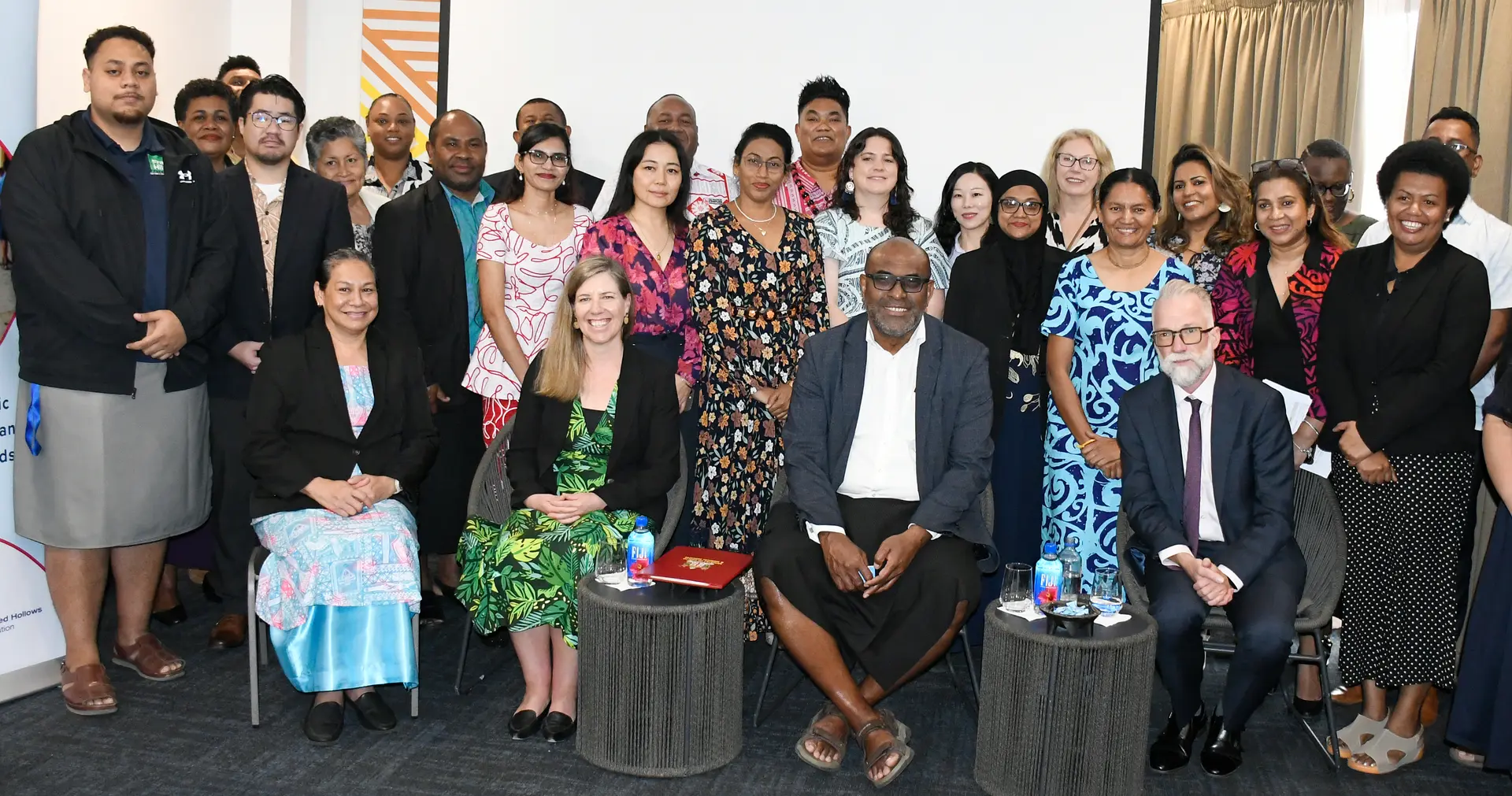
It also urged a review of pay scales across all ranks. The RFMF confirmed during a validation workshop that a Job Evaluation Exercise reviewing salaries across all ranks was already underway.
Infrastructure improvements were also highlighted, including new or renovated facilities for women at Queen Elizabeth Barracks, Force Training Group and Sukanaivalu Army Barracks in Labasa.
The report credited the RFMF for existing good practices, including proportional promotion of women into leadership roles relative to their numbers in the force and a strong mentorship culture supporting female personnel.