Solar Energy Makes e-learning Possible for Remote Schools
“With the assistance provided by ISA, the school now plans to introduce e-learning technologies for its students,” said Mr Druavesi.
Friday 12 July 2024 | 18:19

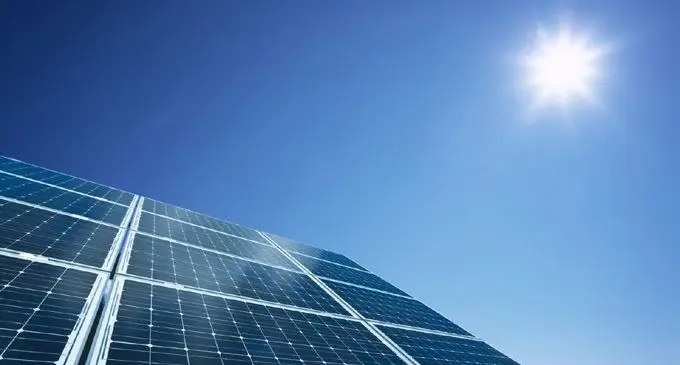
Motukana Primary School nestled in the highlands of Navosa/Nadroga and about 120 kilometres away from Sigatoka town will soon have solar lights and electricity supply.
MPS with a roll of 85 students is one of the schools identified to be assisted under the Solar Rooftop project.
Head of School, Isimeli Druavesi thanked the International Solar Alliance (ISA) for making it possible.
Related stories
“With the assistance provided by ISA, the school now plans to introduce e-learning technologies for its students,” said Mr Druavesi.
“We will have a mini computer lab to assist the students and teachers to connect with the rest of the world and adopt modern teaching methods.”
He added that currently, they are unable to offer evening classes or extra classes to students when darkness sets in due to the unavailability of lights.
“Students in remote areas are always denied the opportunity to enhance their literacy skills through evening classes.
“Proper lighting systems made possible by electricity help create a comfortable and safe learning space.
“This contributes to a more engaging and productive learning environment, allowing students to focus on their studies without distractions.”
“Access to electricity enables schools to offer wider range of online courses, virtual field trips, and collaborative projects, enriching students’ educational experiences and preparing them for success in an increasingly digital world,” Mr Druavesi added.
ISA’s programme head for Small Island Developing States (SIDS) and Least Developed Countries (LDCs) Sandeep Kaur Singh said lack of electricity in remote schools can lead to education inequality for students in those areas.
“One way to help bridge this gap is by implementing solutions that provide sustainable and reliable electricity supply to remote schools, such as solar power systems,” she said.
Through the ISA’s Solar Rooftop Project, solar panels will be installed on school buildings to generate electricity, ensuring that students have access to technology and benefit from a more modern and well-rounded education,” he said.
“It’s crucial to advocate for improved infrastructure and resources for remote schools to ensure that all students have equal opportunity to learn and succeed. Working together as a community, Government, and stakeholders can make a significant impact in addressing education inequalities caused by lack of electricity in remote schools.”
Meanwhile, consultants contracted by the ISA visited the school a few days ago to carry out assessments and identify the solar energy requirements of the school and the teachers’ quarters.
The consultants also scouted the area and collected relevant data including daily average hours of sunlight, number of classrooms to have access to electricity, electrical equipment to be used and installed, and the provisions for e-learning opportunities.
Feedback: waisean@fijisun.com.fj