Some still silent on Fiji's coups, says Nata
He also questioned the absence of investigative mechanisms to verify evidence presented before the Commission.
Saturday 20 June 2026 | 12:00
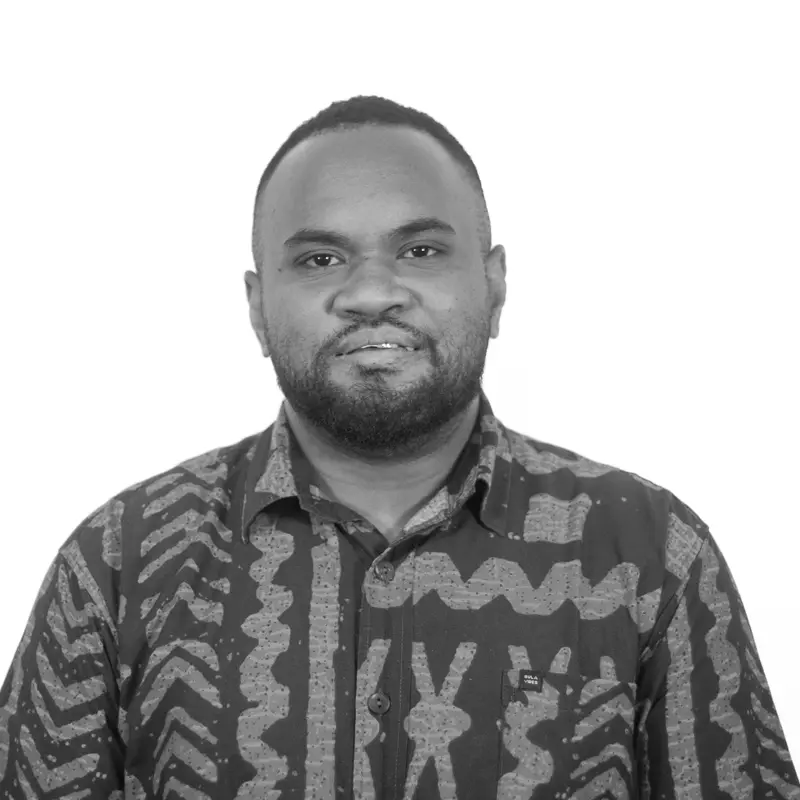
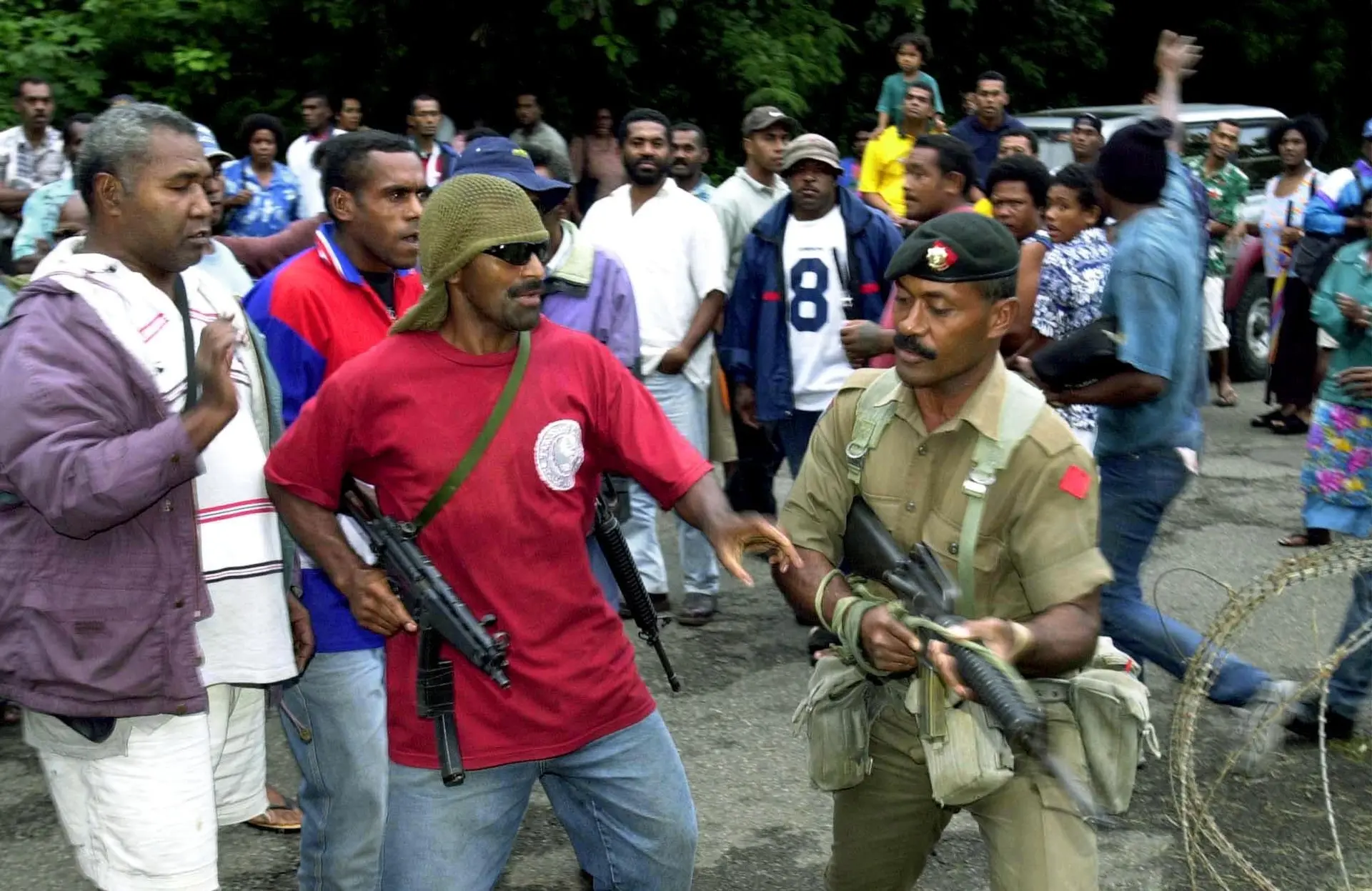
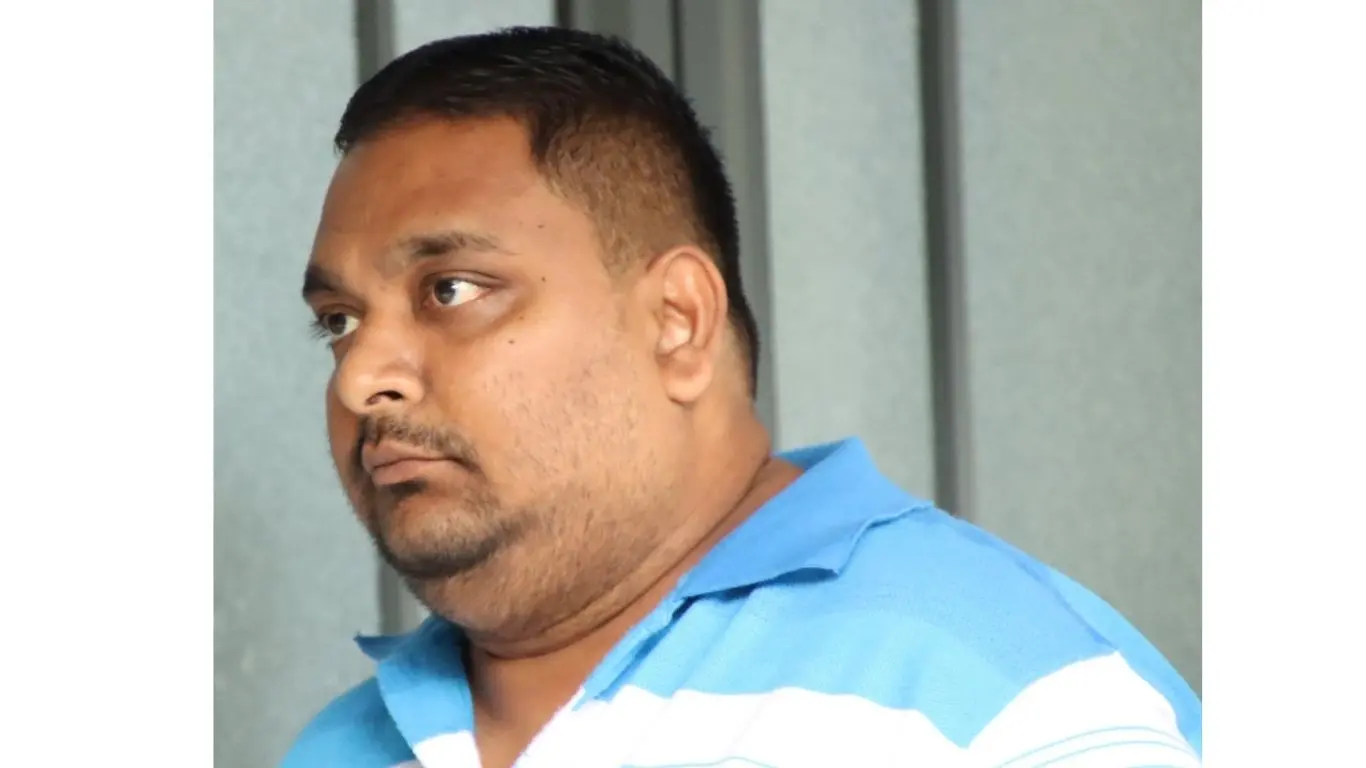
A former key figure in Fiji's 2000 coup says the country's search for truth and reconciliation will remain incomplete unless those who played significant roles in the nation's political upheavals come forward and tell their side of the story.
Appearing before the Fiji Truth and Reconciliation Commission, Josefa "Jo" Nata challenged individuals connected to Fiji's coups to cooperate with the Commission, saying some of the people most responsible for shaping the country's political history were still absent from the process.
“The people who should really be fronting this Commission are sitting happy out there, enjoying the fruits of their misadventures and have no intention of talking about their misdeeds, unless they are compelled to,” Mr Nata said.
Related stories
The former coup figure, who served 24 years in prison for his involvement in the 2000 coup, said one of his biggest concerns was the Commission's lack of powers to compel witnesses to appear and provide evidence.
“My first misgiving is the absence of the subpoena power of the Commission,” he said.
“A TRC should go the whole hog or not at all.”
Mr Nata argued that some individuals who escaped prosecution, or who are protected by constitutional immunity, still owe an explanation to the people of Fiji.
“Those that are covered by constitutional immunity should testify,” he said.
“They cannot have their cake and eat it too.”
He also questioned the absence of investigative mechanisms to verify evidence presented before the Commission, saying some important matters may never be fully examined without proper inquiry powers.
“My second misgiving is the absence of an investigation mechanism to check the veracity of evidence,” he said.
During his testimony, Mr Nata said there were still unanswered questions surrounding the events of 2000 and subsequent political crises that shaped the country.
He said Fiji had been given a rare opportunity to confront its past and should not allow that opportunity to pass without hearing from all major players.
“The work of the TRC is incomplete, however way you look at it, without the participation of Bainimarama and Khaiyum,” he said.
“Their story will always be integral to finding solutions and charting the path forward.”
Mr Nata also referred to former United Nations General Assembly President Nazhat Shameem, saying important questions remained unanswered.
“We need to know the hands of Nazhat Shameem who sits now in the ICC,” he said.
He warned that if key figures remained absent, the Commission risked becoming a missed opportunity for national healing.
“Otherwise we have not fully utilised this opportunity,” he said.
“It could be a lost opportunity.”
Mr Nata suggested the legislation governing the Truth and Reconciliation Commission be reviewed to strengthen its powers and enable it to carry out a more comprehensive examination of Fiji's political history.
“Perhaps we revisit the governing legislation to give the current TRC the necessary legal framework to fill the lacuna I mentioned above,” he said.
“In these matters you only strike once.”
Despite his criticisms, Mr Nata said he had chosen to appear before the Commission because he believed he still owed the people of Fiji an explanation for his role in the 2000 coup and wanted to contribute to the country's healing process.
“I have always felt I owe the people of Fiji more still,” he said.
“I owe the nation that.”
The Truth and Reconciliation Commission continues hearing evidence from individuals connected to Fiji's coups as part of efforts to establish an accurate historical record and promote reconciliation.