Study warns unsafe injecting is driving Fiji’s HIV surge
All 56 people who inject drugs interviewed said they reused needles due to lack of sterile equipment.
Thursday 11 December 2025 | 09:00
Updated 11 December 2025 | 12:51 FJT

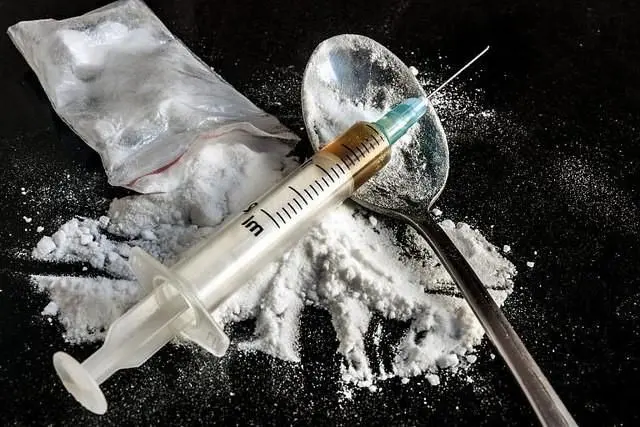
Meth use and unsafe injecting linked to HIV rise.
Photo: The Lund Report
A new study on drug use in Fiji has found that every person interviewed admitted to reusing needles after someone else because sterile equipment is not available, placing them at high risk of contracting Human Immunodeficiency Virus (HIV).
The rapid assessment, commissioned by the World Health Organization and the United Nations Development Programme, reveals that unsafe injecting practices are fuelling Fiji’s rapidly growing HIV epidemic.
All 56 people who inject drugs interviewed said they had at some point reused a needle or syringe after someone else due to limited access to sterile equipment.
Related stories
The study requested by the Ministry of Health and Medical Services and funded by The Global Fund found methamphetamine was the most commonly injected drug.
Many participants said their first injection occurred with a potentially contaminated needle when trying the drug for the first time, meaning young people face HIV risk from their very first injection.
Most participants had low awareness of HIV and reported difficulties accessing testing and treatment services.
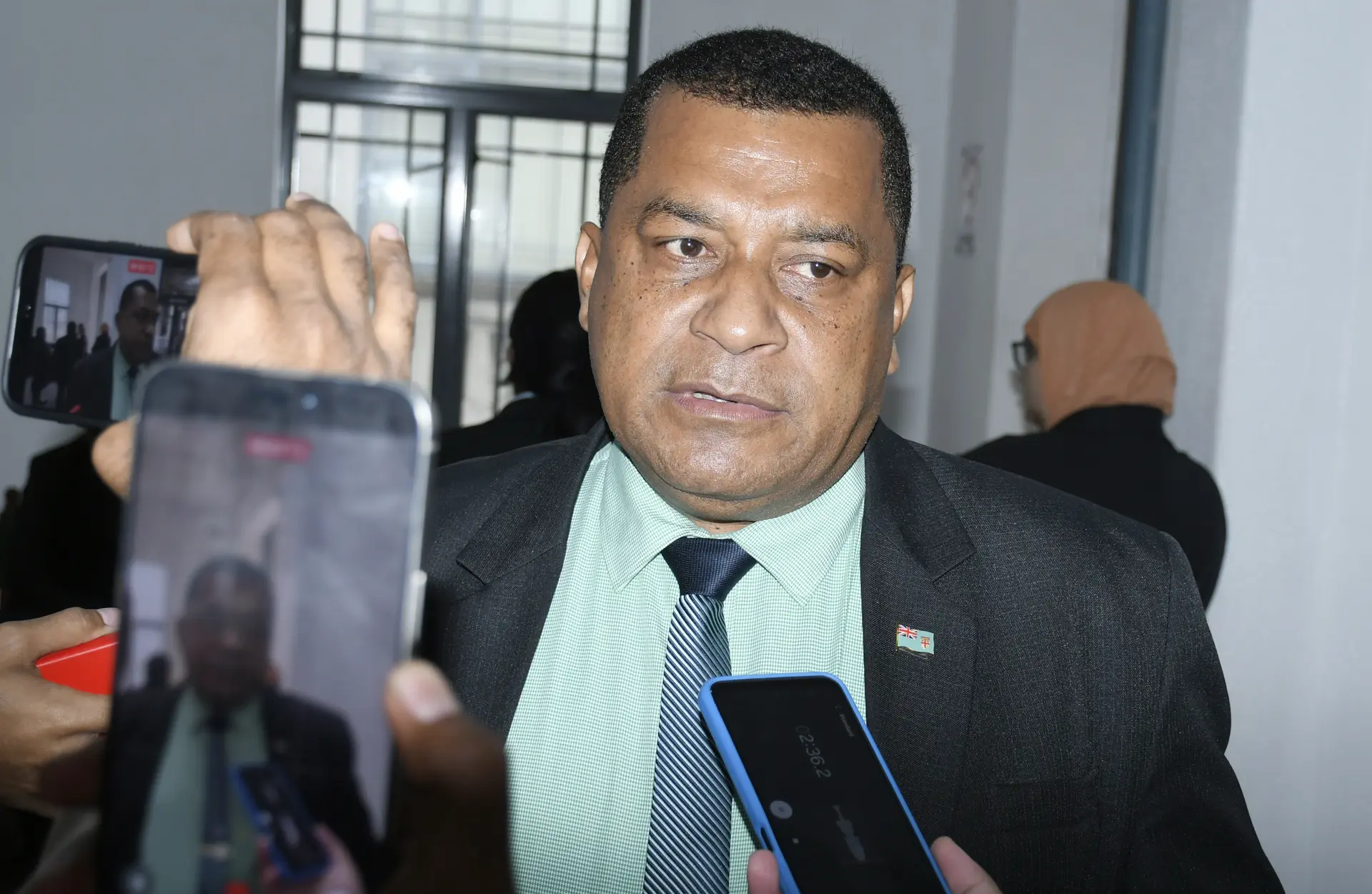
Minister for Health and Medical Services, Dr Ratu Atonio Lalabalavu, acknowledged the urgent need for action.
“The Ministry recognises the vital role of sterile needles and syringes in preventing new infections linked to equipment sharing,” Dr Lalabalavu said.
“The National HIV Outbreak and Cluster Response Taskforce, with our international partners, is working to rapidly introduce a needle and syringe programme as part of our urgent public health response.”
The study recommends making sterile needles and syringes available and accessible to people who inject drugs.
Such programmes are evidence-based interventions already implemented in more than 90 countries.
Among people starting HIV treatment in Fiji last year, 48 per cent were people who inject drugs, highlighting the disproportionate impact on this group.
In the first six months of this year, 1,226 HIV cases were notified nationally.