WAF seeks clarity on rural water approval powers in Public Health Bill
Officials are seeking clearer separation of public health oversight and technical responsibilities for rural water and sanitation systems.
Tuesday 09 June 2026 | 17:30

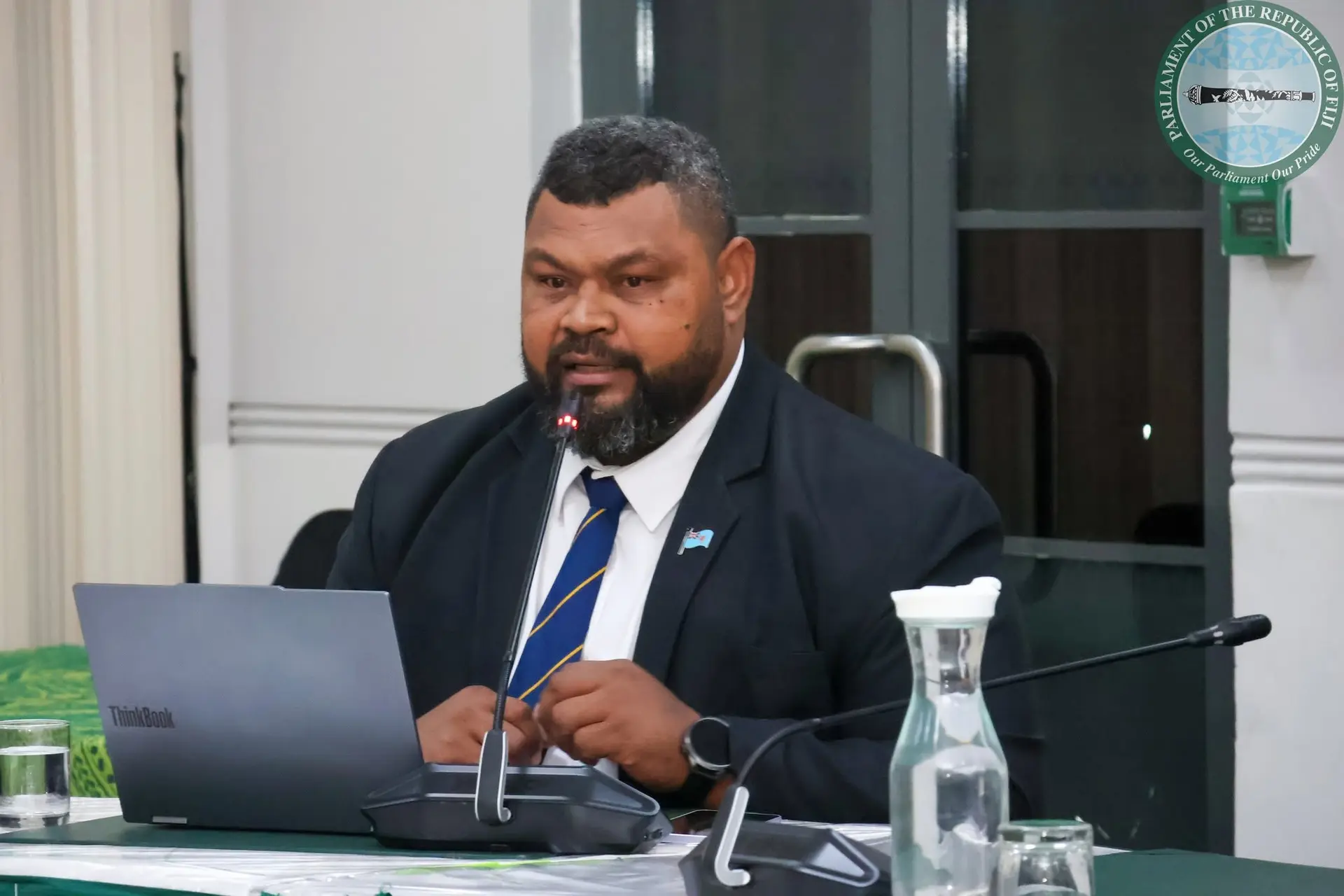
National WASH Coordinator Toga Vosataki.
Photo: Parliament of Fiji
The Ministry of Health and the Water Authority of Fiji (WAF) have called for clearer definitions of their respective roles in approving rural water and sanitation systems to avoid duplication under the proposed Public Health Bill.
During consultations on the Bill, WAF raised concerns that provisions granting the Central Board of Health powers to approve, revoke and regulate wastewater systems could overlap with responsibilities already assigned under the WAF Act.
WAF chief executive officer Seru Soderberg said the Bill should focus on public health outcomes and strategic oversight, while specialised operations, design and construction remain under the responsibility of WAF and the Ministry of Public Works.
Related stories
National Water, Sanitation and Hygiene (WASH) coordinator Toga Vosataki said the Ministry of Health's intention was to address existing regulatory gaps, particularly regarding new or untested septic tank and water treatment systems being introduced in rural communities.
"When a submission comes to the Central Board of Health, the first thing we do is liaise with our network of countries that have best practices and may have used the system. We gather information on the advantages and disadvantages of the system and circulate the specifications to stakeholders, including the Ministry of Public Works, for their comments," Mr Vosataki said.
He cited a major waterborne disease outbreak in Ra between 2007 and 2011, which resulted in multiple deaths, as evidence of the public health risks associated with inadequate infrastructure design.
"The Ministry of Health does not intend to override the technical expertise of WAF, but seeks an evidentiary review process to ensure new infrastructure designs do not inadvertently lead to future public health crises," Mr Vosataki said.
The discussion highlighted concerns about balancing technical oversight with public health safeguards as work continues on the proposed legislation.