‘We broke barriers’: RFMF woman pioneer reflects on legacy
At the time, she said, the move was groundbreaking for Fiji, even though women had served in foreign forces decades earlier.
Tuesday 03 February 2026 | 07:30

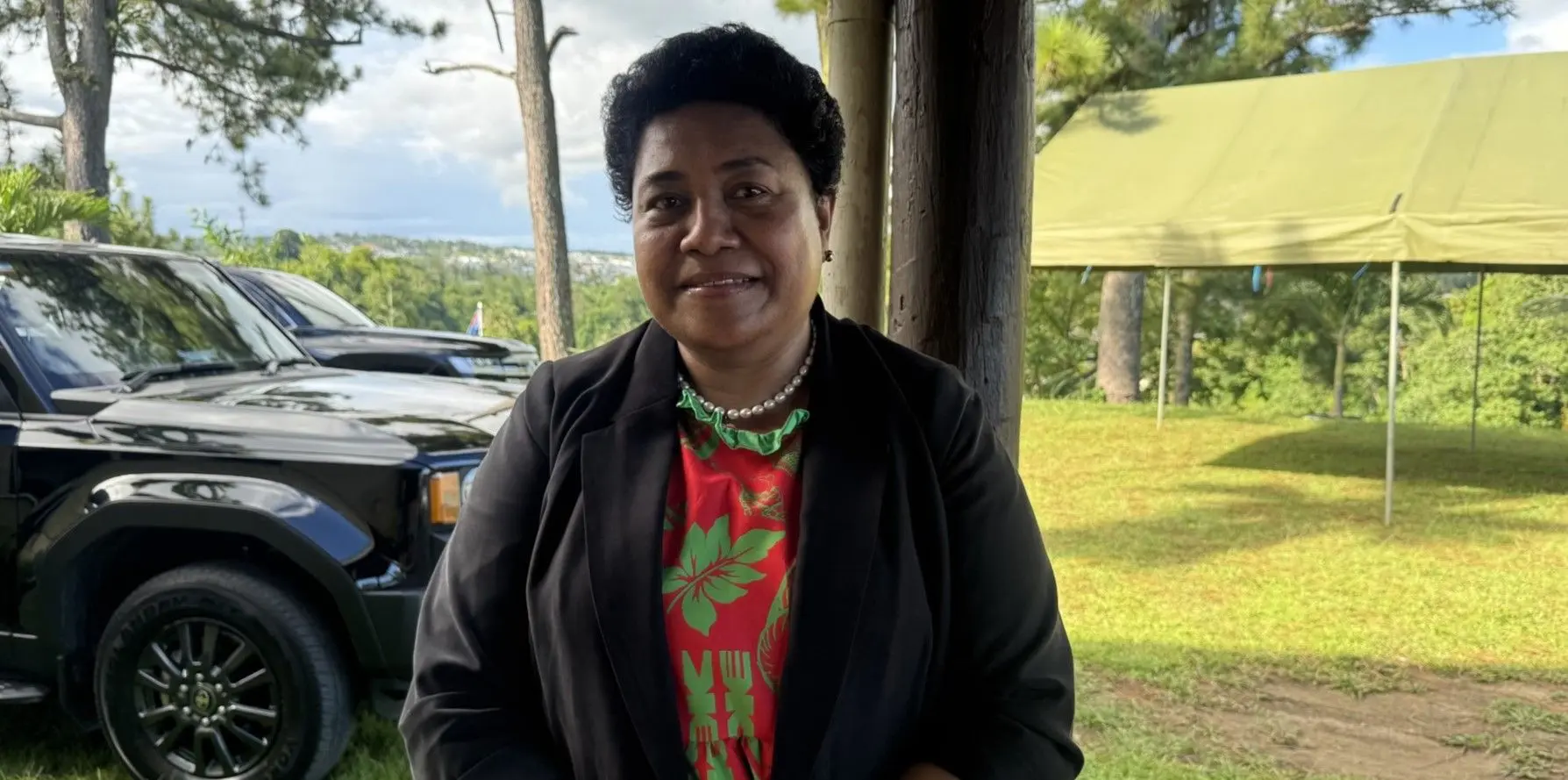
Retired Republic of Fiji Military Forces (RFMF) officer Amele Tabuya Tarakinikini.
Asenaca Ratu
What began as a bold step in 1988 has become a lifelong legacy of courage, sacrifice and quiet pride for retired Republic of Fiji Military Forces (RFMF) officer Amele Tabuya Tarakinikini — one of the women who helped rewrite Fiji’s military history.
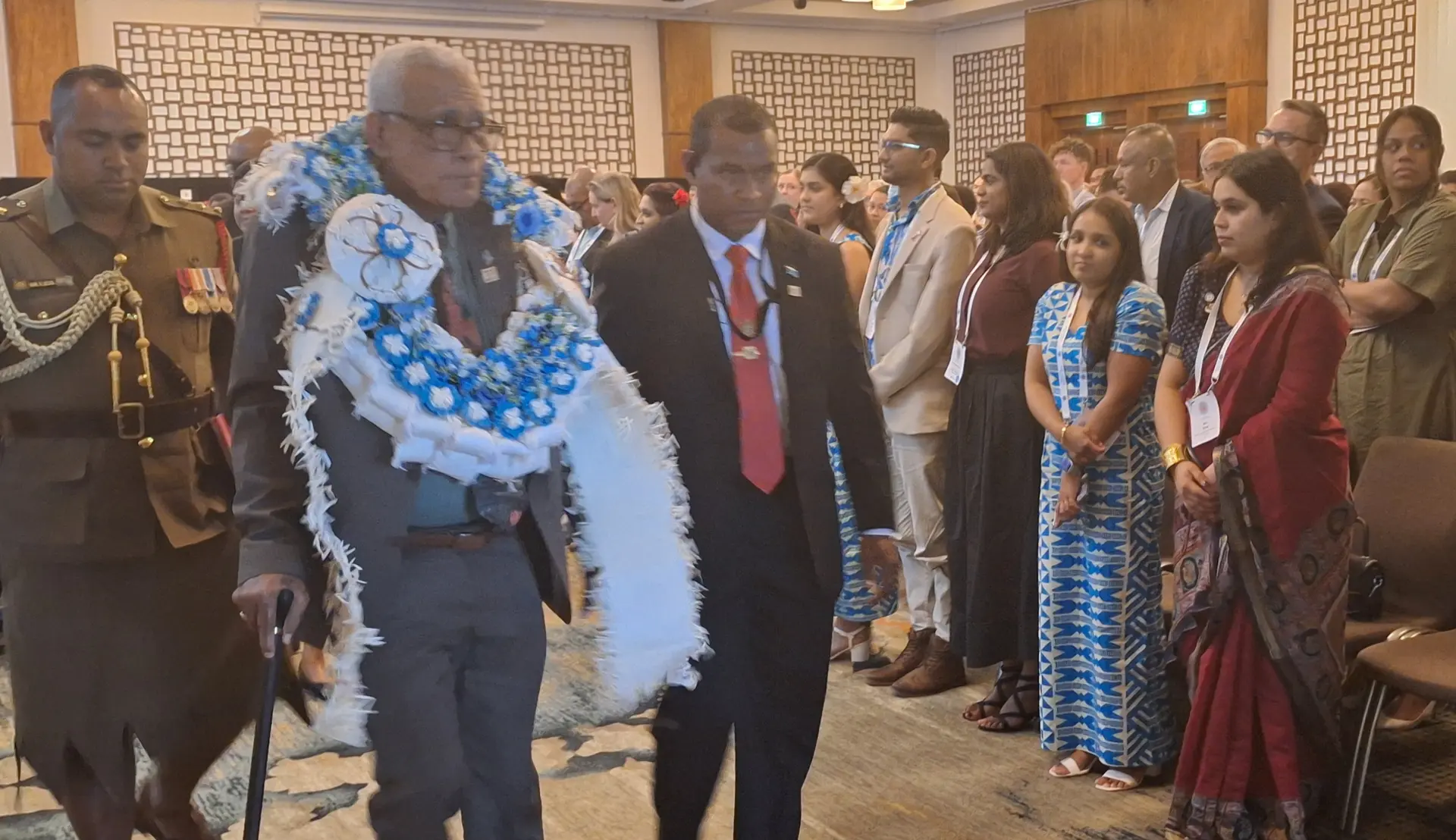
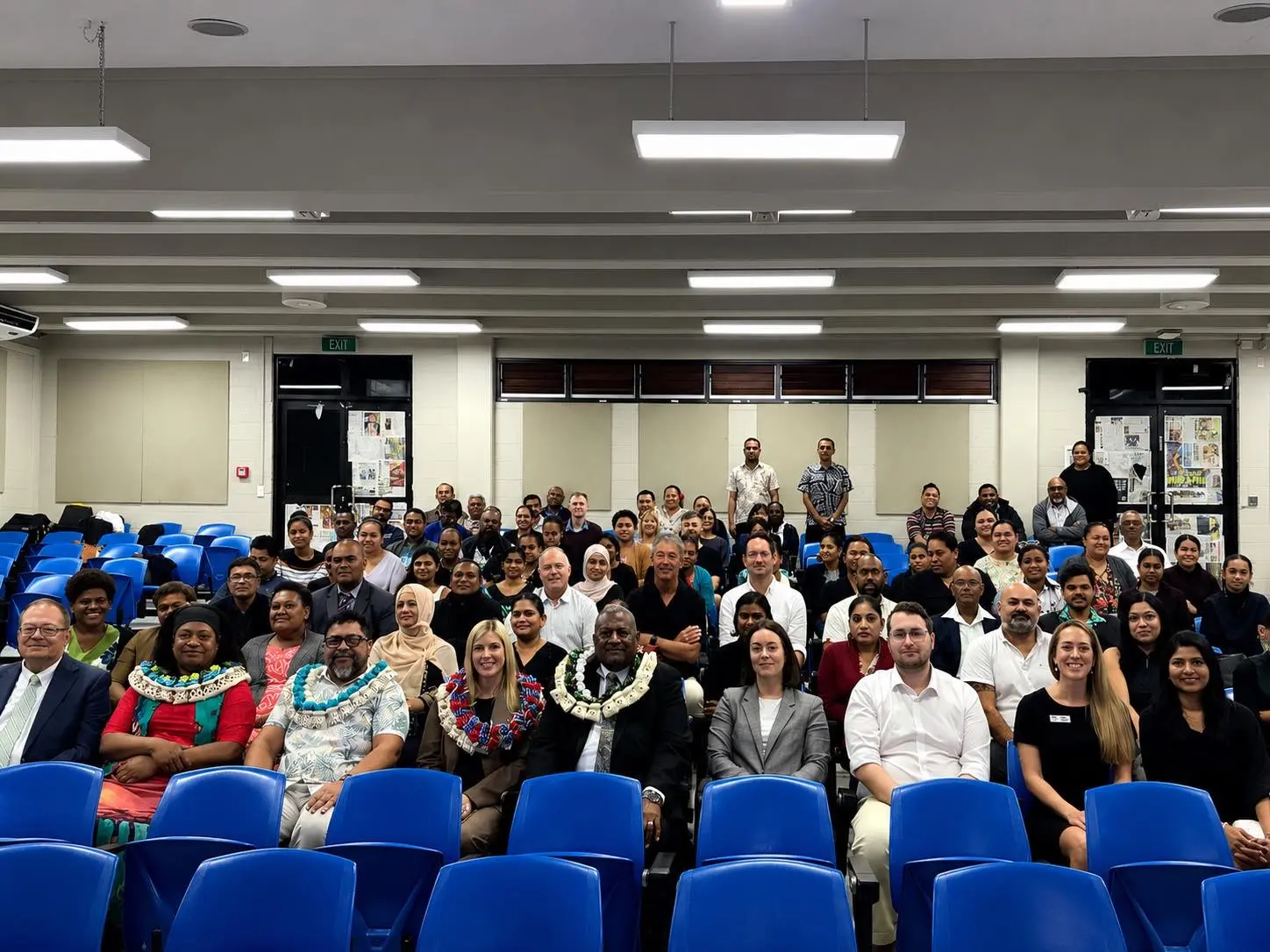
Speaking at Queen Elizabeth Barracks during the 38th anniversary commemoration of Recruit Course 1/88, Ms Tarakinikini recalled the moment 42 women first marched into camp, becoming the first female intake into the RFMF.
At the time, she said, the move was groundbreaking for Fiji, even though women had served in foreign forces decades earlier.
Related stories
“For Fiji, that was the first time,” she said.
“Forty-two women enlisted, and seven of us went on to be commissioned officers. We were opening doors that had never been opened before.”
Ms Tarakinikini said the presence of Prime Minister Sitiveni Rabuka at the commemoration carried deep personal meaning. He was the RFMF commander at the time and the officer who presented their commissions.
She credited his leadership for having the vision to allow women into the force.
While proud of her service, Ms Tarakinikini said her military career was cut short by family priorities. She resigned after seven years to focus on raising a family, later studying law and working with Telecom Fiji before relocating overseas following her husband’s United Nations posting.
“I felt having two army officers in the house was getting too crowded,” she said with a smile. “So I stepped aside and let him continue his military career.”
Her influence, however, extended well beyond her years in uniform.
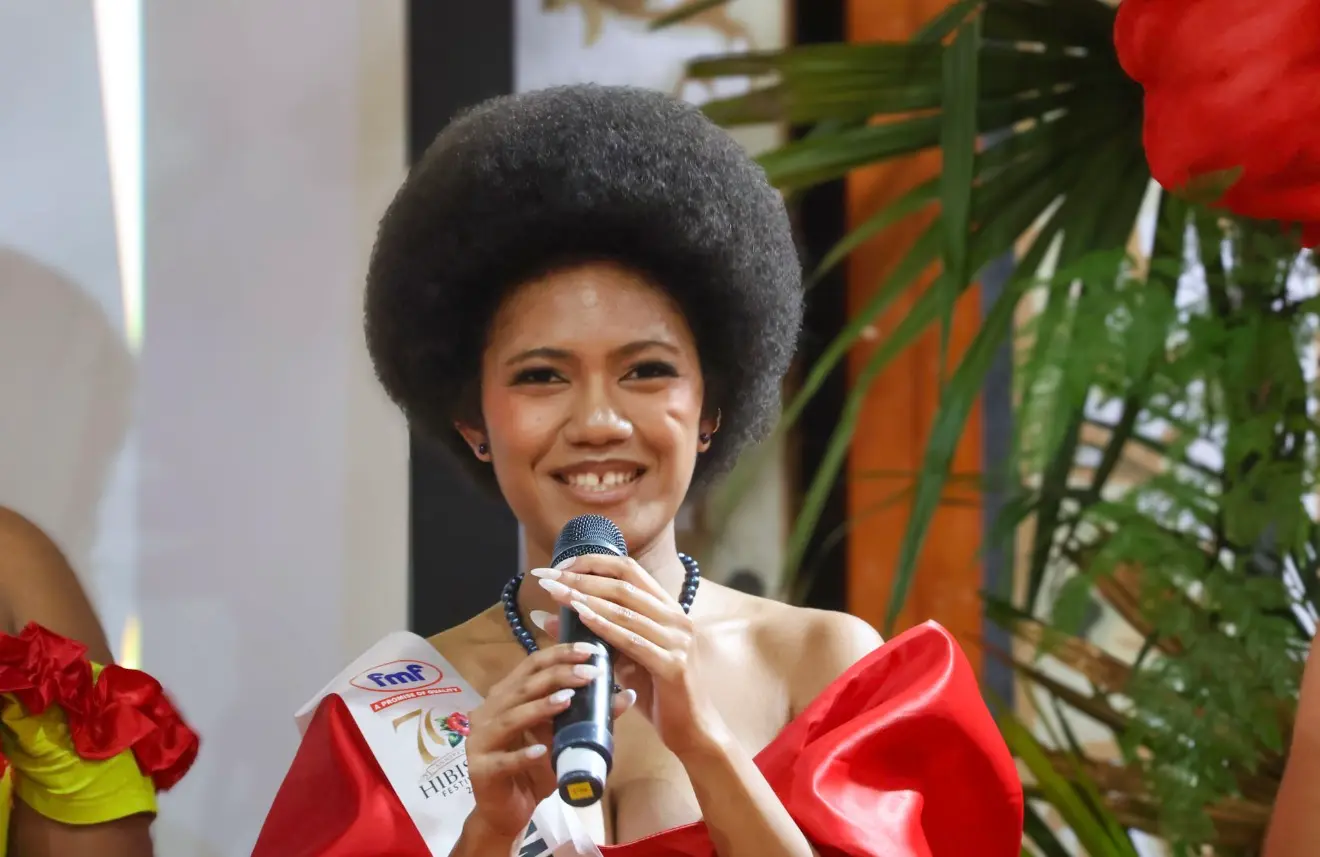
Ms Tarakinikini recalled being ordered — “an order you don’t question,” she laughed — to represent the RFMF in the 1989 Hibiscus Festival, an experience that opened unexpected doors.
After winning a charity title, she was granted permission to visit peacekeeping missions in Lebanon and the Sinai Desert. On her return, she submitted a report recommending the deployment of female soldiers overseas in roles such as nursing, medical services and administration.
“It took more than 10 years before that became a reality,” she said. “But seeing women eventually serve in the Middle East was one of my proudest moments.”
She said the early days in the RFMF were tough, with no facilities designed for women and the constant challenge of earning acceptance in a male-dominated institution. Training was physically demanding and expectations were high, but the women were treated no differently from their male counterparts.
“That built our character. We didn’t ask for special treatment and we just wanted to be accepted as equals,” she said.
Of the original 42 recruits, 21 attempted officer cadet training, with only seven completing it. Today, three have passed on, two attended the commemoration, and one remains in active service.
Now a mother and grandmother, Ms Tarakinikini said the sacrifices made by her generation paved the way for today’s women in uniform.
“We broke barriers, we rewrote the history of the RFMF,” she said. “When we look at the young women serving now, we feel proud because we know we opened the doors for them.”
Her message to young women considering a military career was simple and firm.
“You’re here to serve your country and make it proud,” she said.
“Stick to the discipline, prepare yourself for life after the uniform, and remember that serving the nation is a privilege.”
As the anniversary drew to a close, Ms Tarakinikini stood among her fellow pioneers — not seeking recognition, but quietly content that the path they carved decades ago continues to guide generations of Fijian women forward.