Editorial: Life After Rugby
The Rugby Café – Matawalu’s Milk Bar in Sigatoka Town is not only turning heads, but also a source of inspiration. Westerners are big lovers of a hot cuppa on any hot day, on any hazy day the new café qualifies a melting pot on the Sigatoka River bank.
Monday 22 January 2024 | 10:05

The Rugby Café – Matawalu’s Milk Bar in Sigatoka Town is not only turning heads, but also a source of inspiration.
Westerners are big lovers of a hot cuppa on any hot day, on any hazy day the new café qualifies a melting pot on the Sigatoka River bank.
Last week the new café opened its doors; it was timely, with the Rugby Town filled with local and international rugby players and spectators.
Related stories
Timely also as Fiji Rugby plans to make Sigatoka base for sevens rugby while Nadi be the meeting point for 15s for their accessibility and availability of accommodation facilities (hotels, resorts etc.).

Paid Advertisement | January 2024
The business is set up by Fijian Drua scrumhalf Peni Matawalu, 27, in collaboration with his overseas-based brother and fellow Flying Fijian Nikola and Pau as part of their Life after Rugby.
Ex-Flying Fijians halfback, Nikola, 33, now has a contract with Pontypridd Club, Welsh premiership club as a player/skills coach; he’s studying BSc (Hons) rugby coaching and performance at the University of South Wales.
Matawalu said the idea was born years ago by his late dad, a reverend who had planned something similar to Tea Totoka to be operating at the Flea Market in Suva but it did not turn out.
Originally from Dama, in the province of Ra, the Matawalu siblings are familiar with Vunahalu as their late father served as a Methodist Church minister in Nadroga-Navosa for a good number of years.
Sigatoka is familiar grounds to them. Middle brother Pau’s partner Helen Regan a former resident manager for then Shangri-La’s Resort with her expertise and experience is putting in the extra touch.
The Matawalu brothers have set a new dimension of how rugby players can set up for their Life after Rugby.
While empowerment is massive, financial literacy is crucial in making a sustainable venture.
The brothers know their strengths in rugby, they understand the economics.
Rather than leaving things too late they have put their act together early. There is no place like home, one day they would all return home – and when they return, there is a safety net in place.
There is no stopping now for them to have a café in strategic spots around the country, around the Pacific and overseas.
With a catch in their name catching pastries like the Serevi scones – who would not want to try one!
This is the power of rugby.
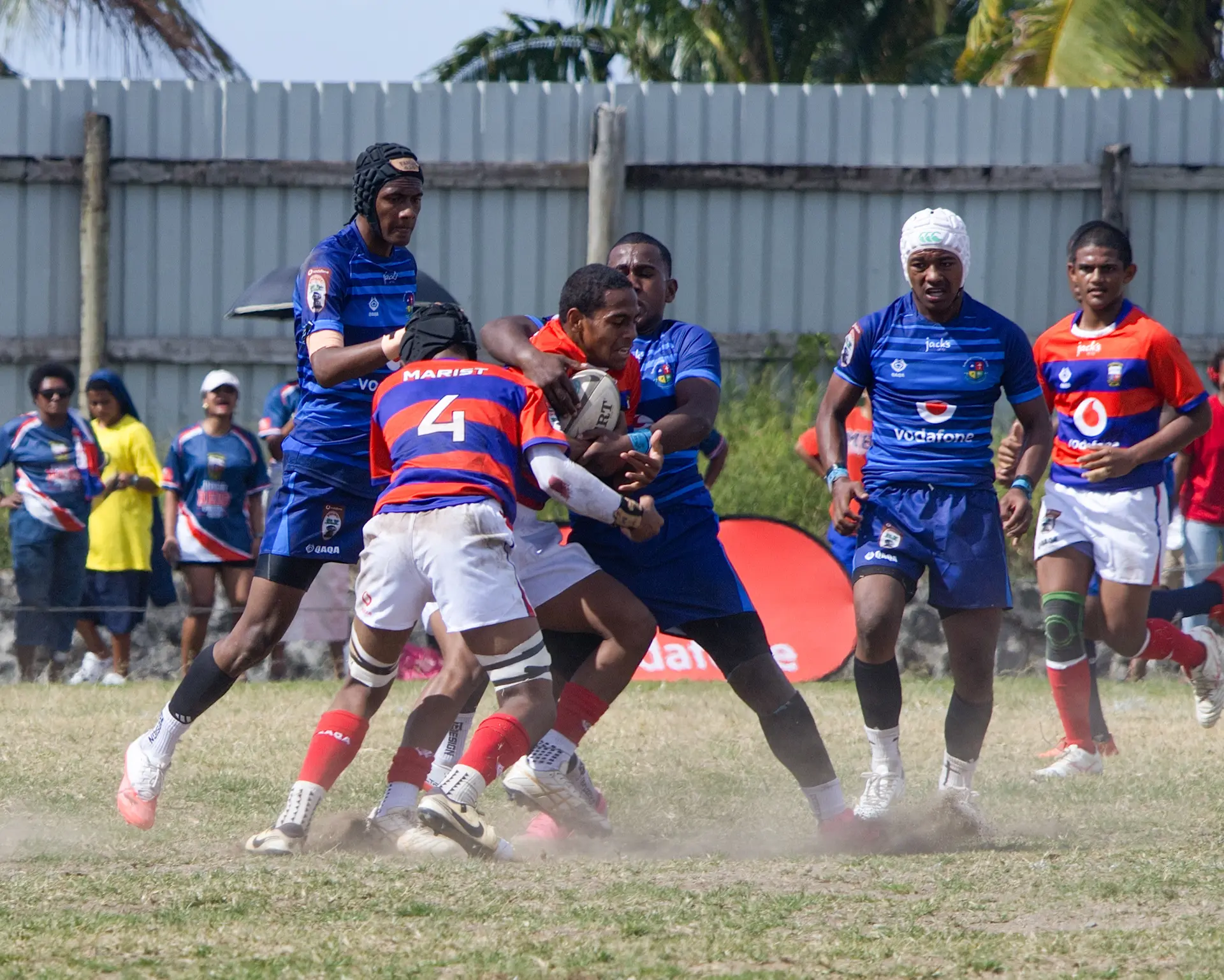
International rugby gurus have identified Fiji as the biggest rugby factory with the wealth of rugby talents of this small archipelago shining globally.
Fiji with less than a million as its population has become an inexhaustible reservoir of high-level rugby players since the 2000s, majority of who are in France.
Last month Midi Olympique, a French bi-weekly newspaper specialising in rugby talked about an academy set up by the Association Sportive Montferrandaise (ASM) to develop a training programme for under-20s, with the idea of attracting the best talent.
A non-governmental organisation, “Think Pacific”, has joined the project by offering courses in dietetics (the science of how nutrition affects our health) and awareness of financial management.
It is no harm to include academic component of which allows players to build a life after rugby.
Feedback:karalaini.waqanidrola@fijisun.com.fj