Needle exchange faces legal hurdle without protection for frontline workers
Health Ministry says new safeguards are being developed to protect service providers and programme participants
Wednesday 19 August 2026 | 16:00
Updated 19 August 2026 | 18:17 FJT

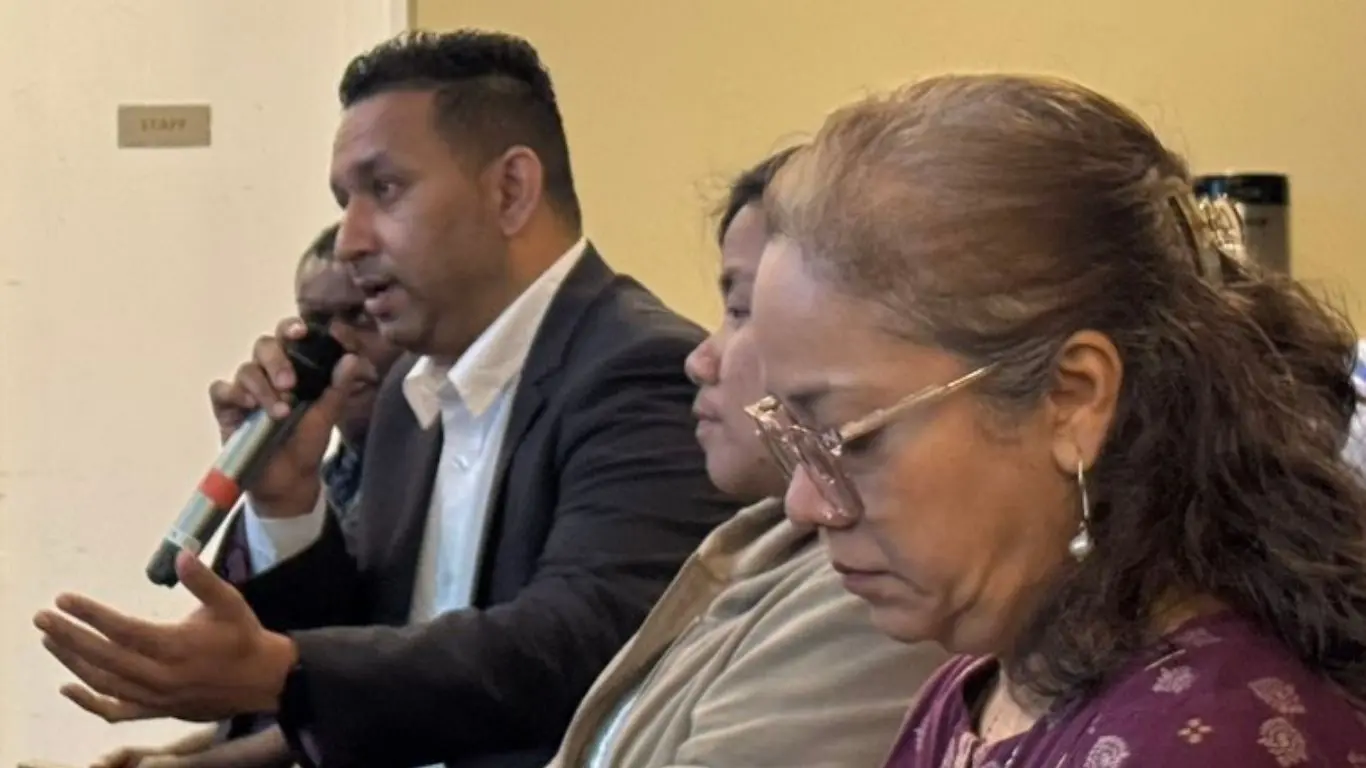
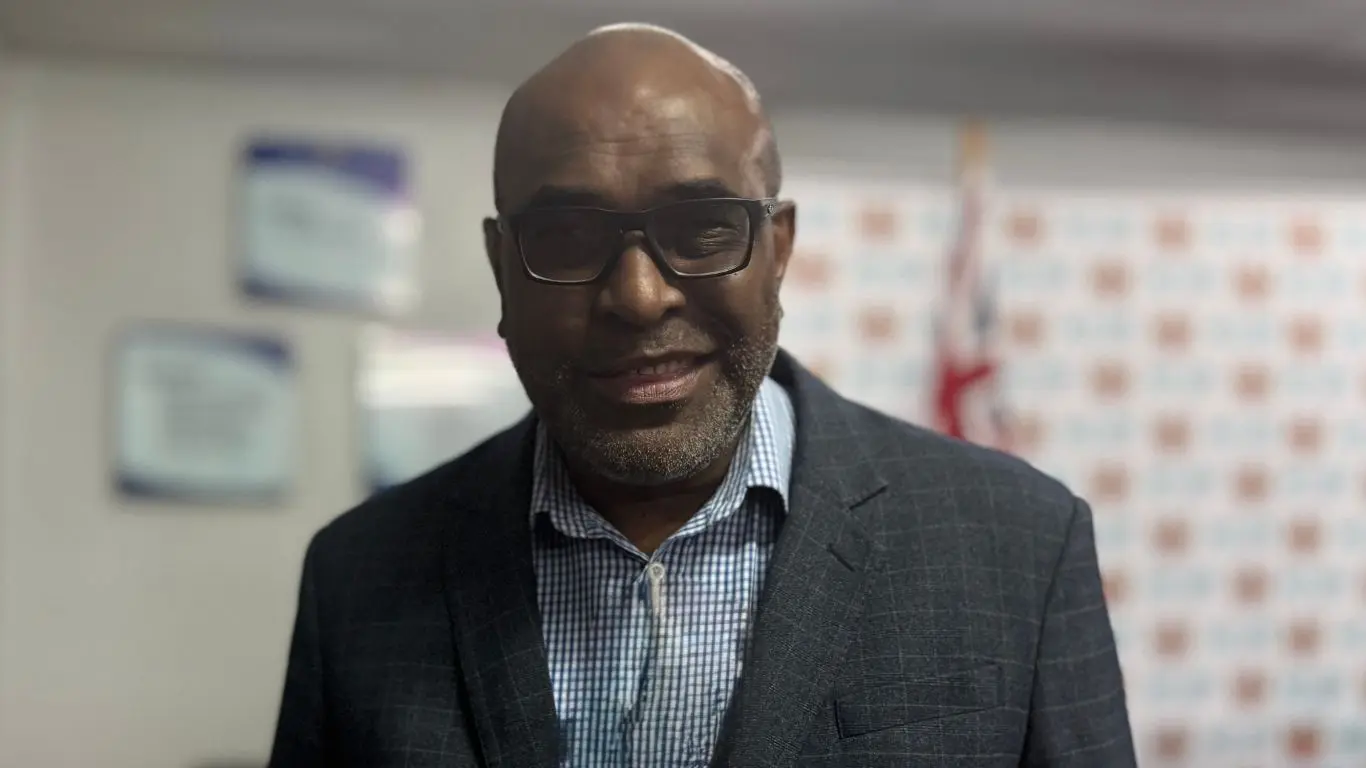
Fiji Medical Association acting president Dr Ronal Kumar (left) addresses the HIV response symposium at the Grand Pacific Hotel in Suva on August 19, 2026.
Photo: Sosiveta Korobiau
Fiji’s proposed needle-exchange programme faces a major legal hurdle.
Health officials say the programme may not work unless health workers, pharmacists and others delivering the service are legally protected.
Fiji Medical Association acting president Dr Ronal Kumar raised concerns over whether frontline workers would have the legal authority and protection to distribute and manage needles under the programme, particularly if existing laws continue to treat possession or distribution of injecting equipment as an offence.
Related stories
The issue was raised during an HIV response symposium today at the Grand Pacific Hotel in Suva. Dr Kumar said the programme could not simply focus on providing clean needles.
There also had to be a system for the safe collection and disposal of used syringes, along with clear protection for the people responsible for operating the service.
The concern highlights a potential gap between public health policy and existing legislation.
Responding to the issue, acting permanent secretary for the Ministry of Health and Medical Services Dr Luisa Cikamatana said Government was working on a broader harm-reduction and protection regulatory framework.
She said the needle-exchange initiative was only one part of a larger package that would include health education, testing, counselling, referral and support for people who test positive or require assistance with addiction.
She said the proposed framework would also seek to protect service providers and programme participants.
Dr Cikamatana said the issue could not be resolved by the Ministry of Health alone because it involved several areas of law and the responsibilities of different agencies.
“If the police will say, ‘I’ll put you in custody and take you to the police station and charge you,’” she said, the programme would not be able to operate effectively.
She said consultations were therefore being carried out with agencies including the Office of the Director of Public Prosecutions, police, the Ministry of Justice and other stakeholders.
Government is also considering practical questions around where needle-exchange services should operate, how communities and local authorities would be involved, and what safeguards would be required.
Dr Cikamatana said the views of people who would use the service were also part of the consultation process.
For the programme to work, health workers and pharmacists must know they are protected when providing the service, police must understand their responsibilities, and people seeking help must be able to access the programme without being placed at unnecessary legal risk.