Editorial: Pranks or jokes that cross the line
When social media exposes trauma, society must protect the vulnerable, not excuse the perpetrators
Wednesday 11 February 2026 | 10:30
Updated 12 February 2026 | 13:45 FJT

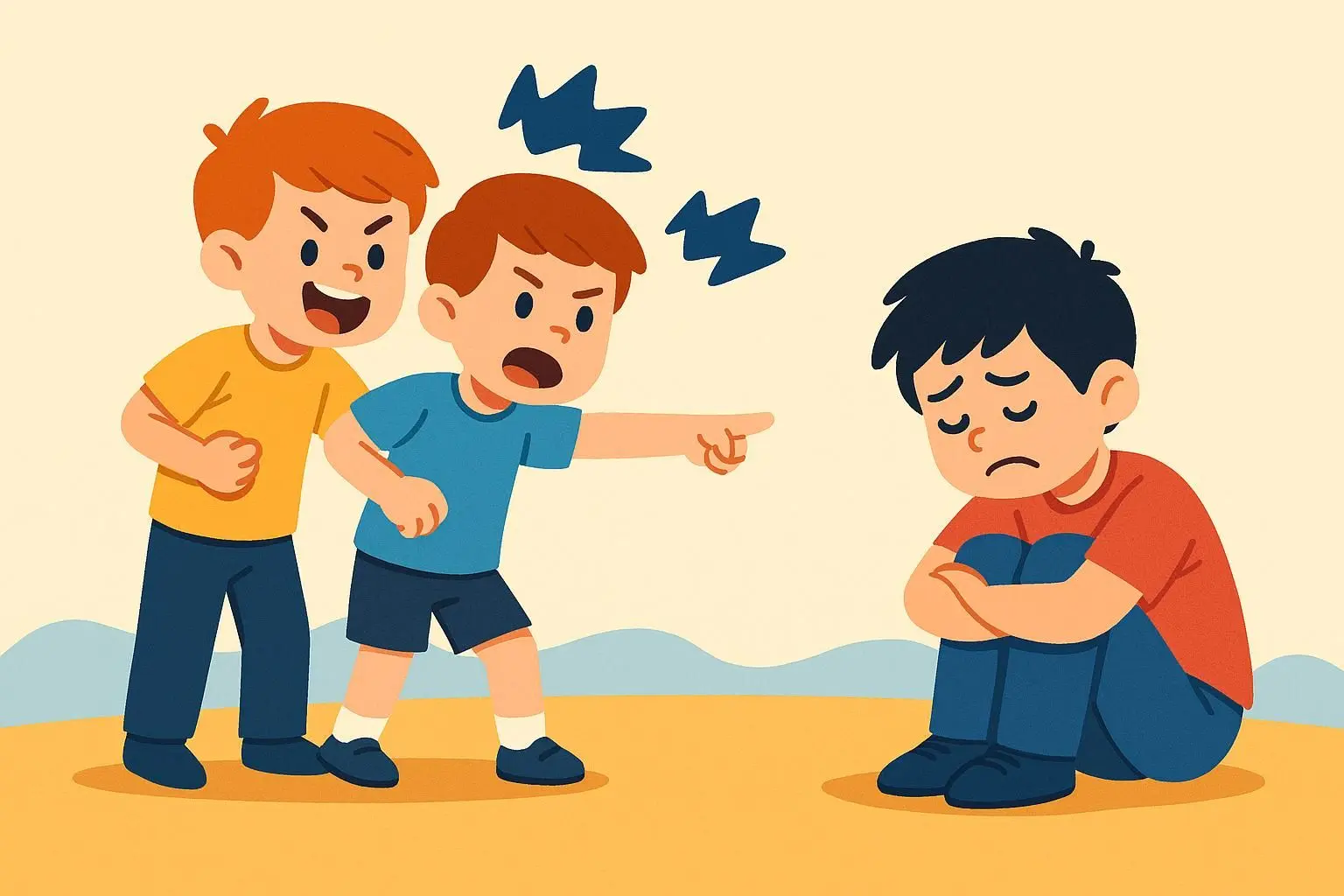
The recent incident in Galoa, Serua, where a 16-year-old boy was reportedly tied up, threatened with a knife, and allegedly forced to inhale marijuana, should shock every Fijian.
What was dismissed by some as a ‘prank’ was in fact a brutal assault on a quiet, vulnerable child.
The victim, Joseva Naikidi, could have suffered far worse, and the trauma will linger long after the video surfaced online.
Related stories
His family rightly refused traditional reconciliation, knowing that a ‘veisorosorovi’ ceremony cannot undo coercion, fear, and public humiliation.
If the boy had died, or suffered permanent injury, the consequences for both him and the perpetrators would have been far worse.
This is not just about a momentary joke; it is about the safety, dignity, and legal rights of children.
Social media played a crucial role in exposing the incident. Without the video, the assault might have remained hidden. But the online world is a double-edged sword.
While it can hold wrongdoers accountable, it also amplifies harm and normalises dangerous behaviour when extreme pranks are trivialised or celebrated.
Videos of trauma, shared widely, can haunt victims, desensitise viewers, and even encourage copycat actions among peers.
Miss Fiji Ailava Samuels's call for digital responsibility resonates strongly here. Online safety is not optional; it is a shared duty.
Parents, teachers, leaders, and young people themselves must promote responsible social media use, cyber literacy, and ethical behaviour.
Peer pressure, drug exposure, and bullying are magnified online and society has a duty to intervene before tragedy occurs.
Pranks, when harmless, can amuse. But when they involve coercion, drugs, weapons, or humiliation, they are criminal.
The line is clear: child safety comes first. Justice, accountability, and community vigilance cannot be replaced by apologies or cultural ceremonies.
This incident should serve as a wake-up call for Fiji: the digital age demands that we protect our children and educate youth on the true cost of ‘fun’ gone wrong.
No child should be forced to fear, cry, or plead for help. No prank or joke is worth that.