OPINION | Detention, perception and power: What the Charlie Charters questioning means for Fiji
The big question that needs to be asked is does FICAC have a legitimate criminal case against Charlie Charters that warrants charges to be laid.
Monday 23 February 2026 | 07:30
Updated 23 February 2026 | 08:44 FJT
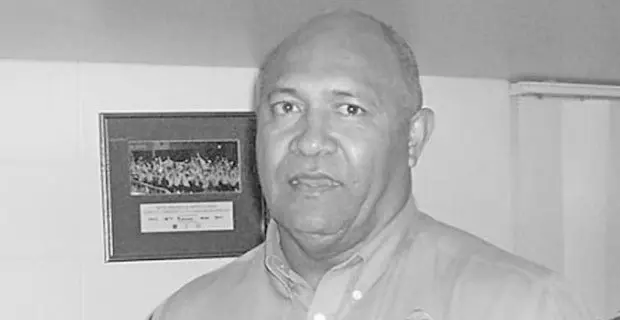
The reported questioning of Charlie Charters at the border apparently triggered by a “flag” enroute to Australia has opened a political conversation far larger than the individual involved. He is obviously a victim of circumstance.
The big question that needs to be asked is does FICAC have a legitimate criminal case against Charlie Charters that warrants charges to be laid.
No arrest warrant has been cited.
No charge has been publicly disclosed.
No formal explanation has clarified the nature of the concern.
Related stories
Unless they come up with something concrete, this matter has all the right credentials to expose institutional retaliation which is not a good look for Fiji’s anti corruption watchdog.
Instead, the event has entered public discourse as something more symbolic, a moment that touches on state power, freedom of expression, institutional credibility, and electoral consequence.
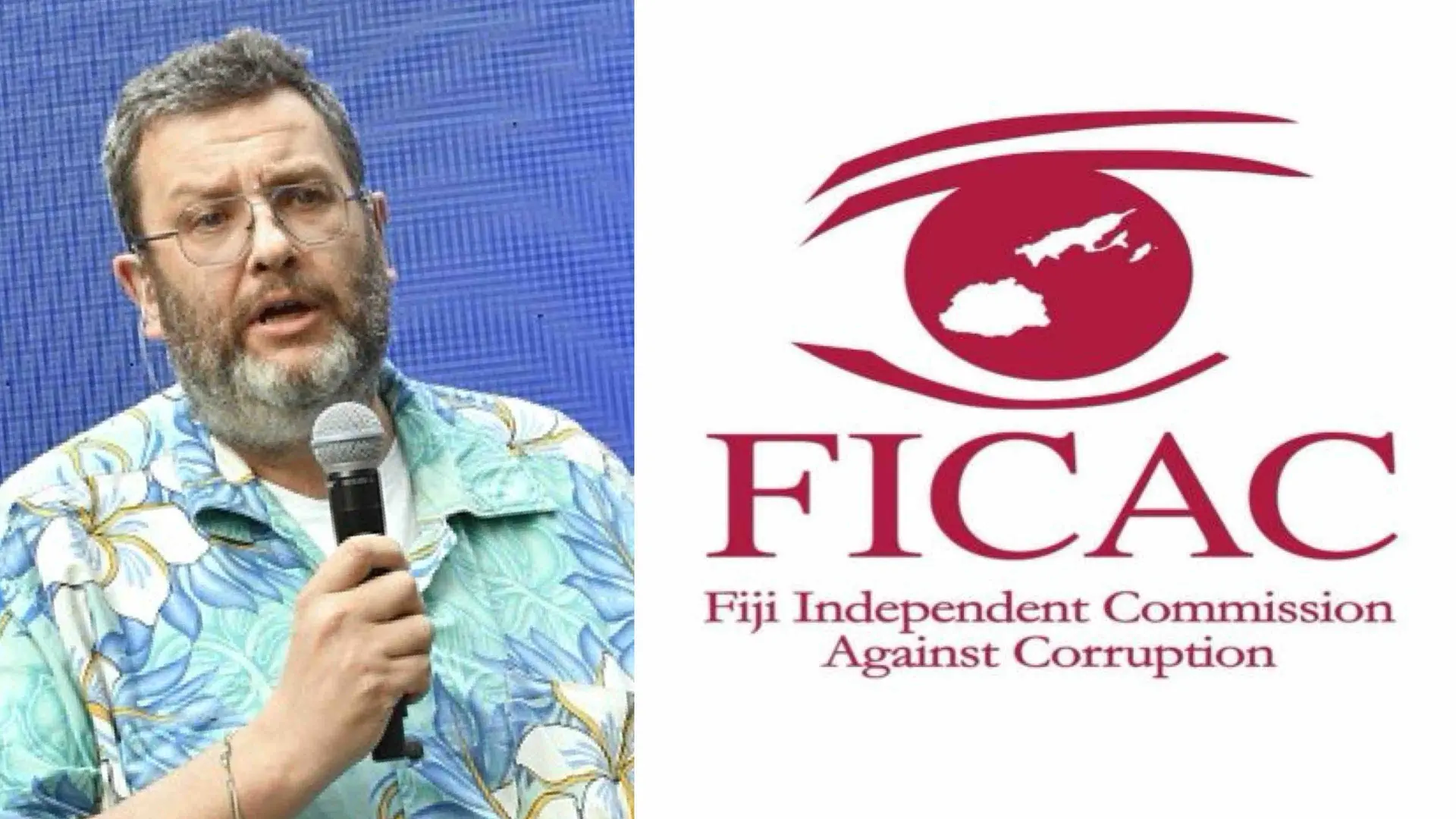
This article provides a scenario-based analysis of what this could mean for the Government, for the Fiji Independent Commission Against Corruption (FICAC), for Fiji’s international standing, and for PAP’s prospects in the next general election.
1. The Immediate Question: Process vs Perception
At the centre of this issue is not simply whether questioning occurred. Governments everywhere have lawful authority to question individuals at borders under immigration and security powers. The more consequential issue is perception.
If a private citizen particularly one known for publishing critical commentary based on public record is detained or questioned without clear explanation, three elements quickly come to light.
1. Legitimate procedural review
2. Administrative overreach
3. Political intimidation
Which narrative prevails depends almost entirely on transparency.
If the questioning was routine, lawful, and unrelated to criticism of the Government, then silence creates unnecessary suspicion. If it was connected to an investigation, then clarity about mandate and legal authority becomes essential.
In politics, absence of information rarely produces neutrality. It produces speculation.
2. FICAC and the Question of Mandate
The Fiji Independent Commission Against Corruption (FICAC) was established to investigate corruption, abuse of office, and misconduct by public officials. Its core purpose is to safeguard public trust by ensuring accountability within state institutions.
Its mandate does not extend to policing criticism, monitoring commentary, or detaining private citizens for publishing material derived from public records.
If FICAC was not involved, then the Government should clarify that distinction promptly. If it was involved, then the public will inevitably ask:
- What statutory authority applied?
- What offence was suspected?
- Why was no warrant disclosed?
- Why was the questioning conducted at a border point rather than through formal summons?
The credibility of anti-corruption institutions depends on visible neutrality. Once an agency is perceived as politically selective or as an instrument of power rather than oversight its moral authority weakens.
That is the real institutional risk here sadly.
3. Domestic Political Implications
a) For the Government
The Government faces a delicate balancing act.
On one hand, it must demonstrate control of institutions and adherence to law. On the other, it must avoid the appearance of suppressing dissent. Fiji’s democratic journey has been shaped by periods where criticism carried risk. Any action that resembles those memories even unintentionally can reactivate public anxiety.
Three domestic political effects are likely:
1. Narrative Consolidation by Critics
Opposition voices will frame the event as evidence of shrinking civic space. Whether or not that claim is legally accurate becomes secondary to its emotional resonance.
2. Unease Within the Coalition
Coalition partners may privately question the political cost of perceived overreach. In multi-party governments, reputational risk is rarely absorbed equally.
3. Public Trust Erosion
Even citizens indifferent to partisan politics tend to react strongly to perceived unfairness. A sense that institutions are being used selectively can travel quickly through communities, churches, and social networks.
b) For PAP’s Electoral Prospects
For PAP, the issue is strategic rather than immediate.
Elections are rarely won or lost on a single incident. They are shaped by accumulated perceptions.
If this episode becomes part of a broader narrative economic strain, governance controversies, internal disputes it may reinforce a storyline of instability or defensiveness.
However, there are alternative scenarios:
Scenario 1: Rapid Clarification and Transparency
If the Government provides a clear, legally grounded explanation, and demonstrates it, the issue may turn into a defining campaign theme around civil liberties and state power.
Voters often tolerate firm governance. They are less forgiving of perceived insecurity.
4. International Implications
Fiji’s international standing has strengthened in recent years through climate diplomacy, peacekeeping, and regional leadership. However, global partners particularly Australia, New Zealand, the EU, and the United States closely monitor governance indicators such as media freedom and institutional independence.
An unexplained detention of a commentator at a border checkpoint risks:
- Triggering quiet diplomatic inquiries
- Raising concerns among investors about rule-of-law consistency
- Feeding external media narratives about democratic fragility
International perception matters because it influences aid relationships, trade confidence, and diplomatic leverage.
Even if the action was lawful, insufficient communication can create disproportionate reputational cost.
5. The Possibility of Legal Action
If Charlie Charters believes his rights were infringed and rightly so, particularly if no lawful basis for detention can be demonstrated several legal avenues could emerge:
1. Constitutional challenge for breach of freedom of expression or movement
2. Judicial review of administrative action
3. Civil claim for unlawful detention
Such proceedings would shift the issue from political debate into formal legal scrutiny. That could either vindicate the Government or expose procedural weaknesses.
Litigation, regardless of outcome, would prolong the controversy and keep the issue in public view.
Notwithstanding all this his popularity rating would have skyrocketed over night.
6. The Deeper Issue: Power and Confidence
At its core, this episode is not about one individual. It is about how power responds to criticism.
Confident governments tolerate scrutiny because they believe institutions will vindicate them. Insecure systems tend to personalize criticism and react defensively.
If the questioning was unrelated to Charters’ commentary, then the Government’s best strategy is transparency and calm. If it was connected to his writings, the political calculus becomes far more complex.
The electorate distinguishes between investigation of crime and investigation of opinion.
7. Alternative Future Scenarios
Looking ahead, Fiji faces three broad pathways:
Pathway A: Institutional Reaffirmation
Clear communication, lawful justification, and visible procedural fairness restore confidence. The episode fades into memory. PAP stabilizes and competes in the next election on policy and economic performance.
Pathway B: Lingering Suspicion
Ambiguity persists. The issue becomes shorthand for institutional opacity. It does not topple the Government, but it chips away at reformist credibility.
Pathway C: Systemic Strain
If similar incidents accumulate, Fiji may face renewed international scrutiny and intensified domestic polarisation. In that case, the next election could pivot sharply on governance legitimacy rather than development policy.
Conclusion
The questioning of Charlie Charters is significant, less for what is known and more for what remains unexplained.
Governments possess lawful authority. Institutions have mandates. Border officials have discretion.
But democracies rely on something more fragile: trust.
If this was routine procedure, clarity will strengthen institutions. If it was misjudgment, correction will preserve credibility. If it was politically motivated, the long-term cost may outweigh any short-term advantage.
For PAP, the path to electoral success lies not in controlling narratives but in reinforcing institutional confidence. Sadly this had eroded significantly.
For FICAC, maintaining strict adherence to its anti-corruption mandate is essential to preserving its integrity. As it is a cast of shadow already covers the institution which they need to deal with to rectify the situation they are in.
For Fiji, the test is larger still, whether power can coexist comfortably with criticism.
The coming months will determine whether this episode becomes a footnote or a turning point.
We are our own worst enemy. We have turned our nation into a circus, it has become a comedy of errors bordering on being a banana republic.
We need leaders who are strong, bold, clean, wise, accountable, transparent and transformative and above all God Fearing.
*The views are of the the author's alone and not of the Fiji Sun and its employees.