Referendum Bill threatens women, youth participation
She said section 22, which proposes a ban on badges, symbols and other visual referendum materials, would further restrict participation, particularly for groups that depend on community engagement and grassroots campaigns.
Tuesday 20 January 2026 | 08:00

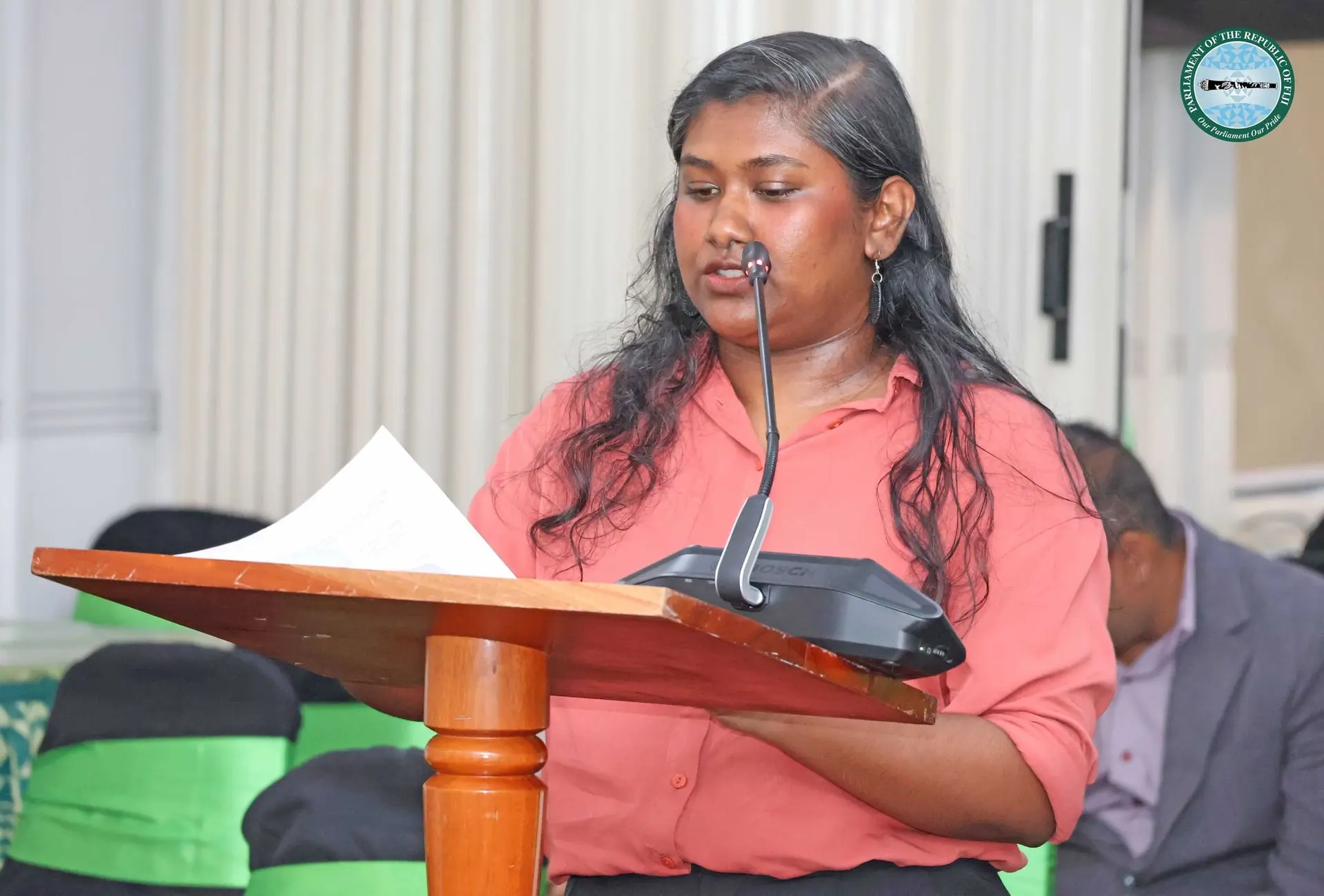
FWRM team leader Shayal Nand raised the concern yesterday while making submissions to a parliamentary committee on the bill.
Parliament of Fiji.
The proposed National Referendum Bill 2025 could disproportionately silence women, youth and marginalised communities who rely on grassroots organising to participate in civic life, the Fiji Women’s Rights Movement (FWRM) has warned.
FWRM team leader Shayal Nand raised the concern yesterday while making submissions to a parliamentary committee on the bill.
Ms Nand said section 23 of the proposed law would criminalise ordinary advocacy by making it illegal to persuade someone on how to vote, with penalties of up to one year in prison.
Related stories
“This provision would criminalise ordinary advocacy and limit the ability of individuals and organisations to engage in referendum-related discussions,” she told the committee.
She said section 22, which proposes a ban on badges, symbols and other visual referendum materials, would further restrict participation, particularly for groups that depend on community engagement and grassroots campaigns.
“These restrictions would disproportionately affect women, youth and marginalised groups who rely on grassroots organising and community discussions to participate in civic life,” Ms Nand said.
The organisation, which has advocated for democratic participation for more than 40 years, said the bill risks silencing voices, shrinking civic space and discouraging lawful participation.
Ms Nand acknowledged that countries such as Singapore and Australia restrict campaign materials on polling day to prevent undue influence, but said Fiji’s proposed bill was far broader in scope.
FWRM has called for sections 22 and 23 to be redrafted, nationwide consultations to be held, and the legislation to be aligned with international democratic standards to protect constitutional rights to freedom of expression and assembly.