'RFMF support should send strong message to drug dealers'
Tui Labasa Ratu Jone Qomate said the RFMF’s involvement signalled a tougher response to the drug crisis.
Wednesday 14 January 2026 | 07:00
Updated 14 January 2026 | 10:55 FJT

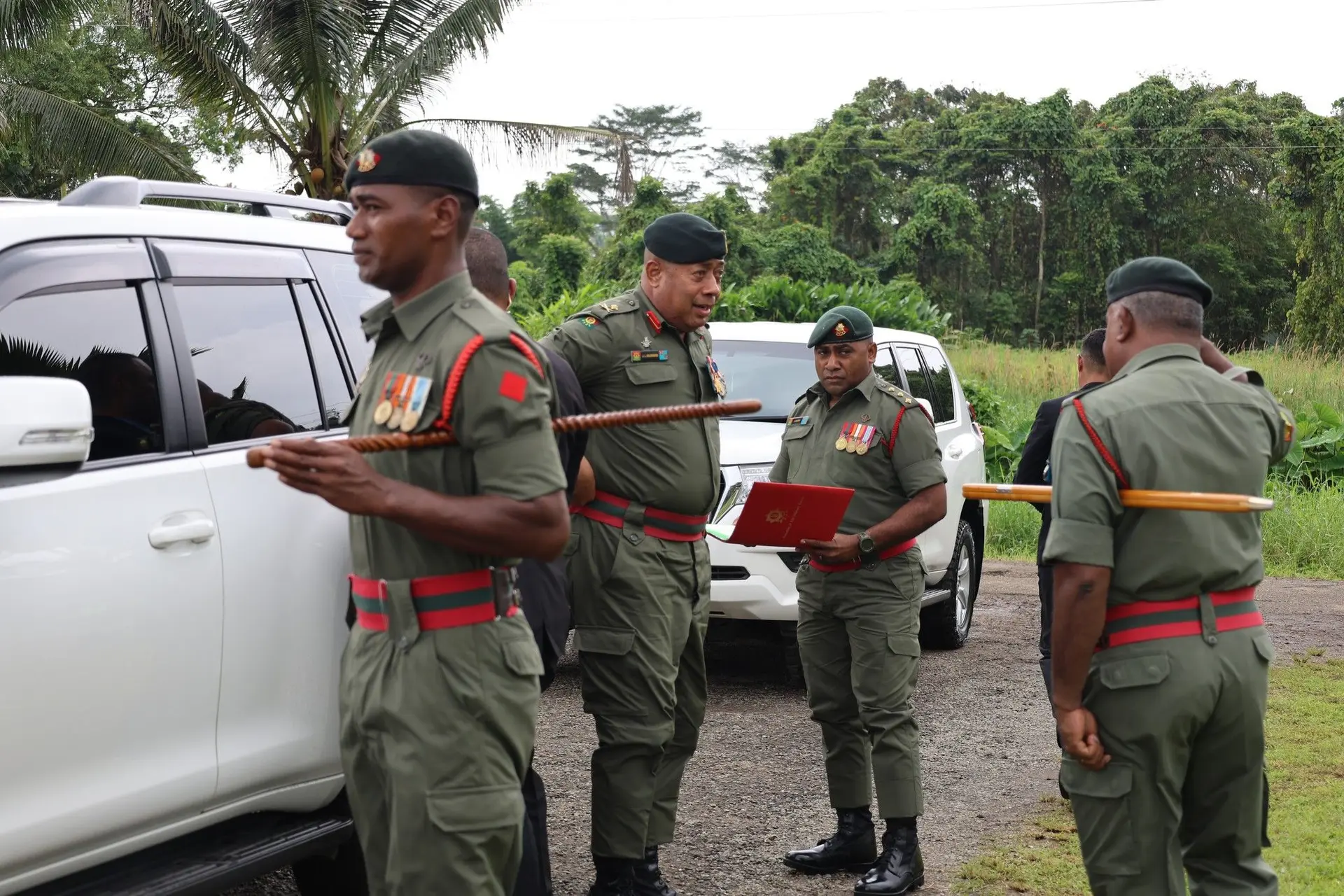
The backing follows a cooperation agreement signed earlier this week between Police Commissioner Rusiate Tudravu and RFMF Commander Major-General Jone Kalouniwai, aimed at strengthening nationwide efforts against drug crime.
Republic of Fiji Military Forces
Traditional leaders, community groups and transport operators in Fiji’s Northern Division have thrown their weight behind the Republic of Fiji Military Forces (RFMF) joining police in joint operations to combat the growing illicit drug trade, saying the move sends a strong warning to dealers and middlemen.
The backing follows a meeting earlier this week between Police Commissioner Rusiate Tudravu and RFMF Commander Major-General Jone Kalouniwai, aimed at strengthening nationwide efforts against drug crime.
Tui Nadogo, Ratu Ilisaniti Malodali, said the involvement of the military would significantly strengthen enforcement efforts and deter drug activity, even in districts where drug threats remained low.
Related stories
“Although Nadogo is not considered a high-risk area, this collaboration sends a clear message that drugs will not be tolerated,” he said.
Nadogo is a district in Macuata Province.
Ratu Ilisaniti said ongoing awareness programmes targeting youths, together with the involvement of religious leaders, had helped discourage villagers from participating in illicit drug activities.
“This awareness must continue to prevent any spike or continuation of the drug trade,” he said.
He stressed that all districts had a responsibility to protect their communities.
“We have to work together to stop drugs from breeding in our homes and communities,” he said.
The chief said village headmen in Nadogo had been tasked with reporting any suspected illicit drug cultivation and monitoring outsiders entering villages.
“We want to create a society where our children are free from drugs and their harmful effects,” he said.
Tui Labasa, Ratu Jone Qomate, echoed similar sentiments, saying the involvement of the RFMF signalled a tougher and more coordinated response to the drug crisis.
He urged parents to remain vigilant, warning that children were increasingly being targeted by drug middlemen to act as couriers.
“Parents must ensure their homes are not used by drug peddlers,” Ratu Qomate said.
Support has also come from the transport sector.
Labasa Taxi Association general secretary Sujit Sharma said illegal “pirate” vehicles operating as taxis could potentially be used in drug distribution.
He said taxi drivers often refused to transport suspicious individuals showing signs of drug addiction, fearing possible attacks during trips.
The joint Police–RFMF approach is expected to include intelligence sharing, enforcement support and stronger community engagement as authorities step up efforts to curb illicit drugs across the country.