Nasaseru Pool Tourism Project revived through community effort
A community-led tourism project at Nasaseru Pool in Wailevu East, near Savusavu, is opening new economic opportunities after local youth, residents, and a Peace Corps volunteer revived the initiative post-COVID.
Wednesday 10 June 2026 | 01:30

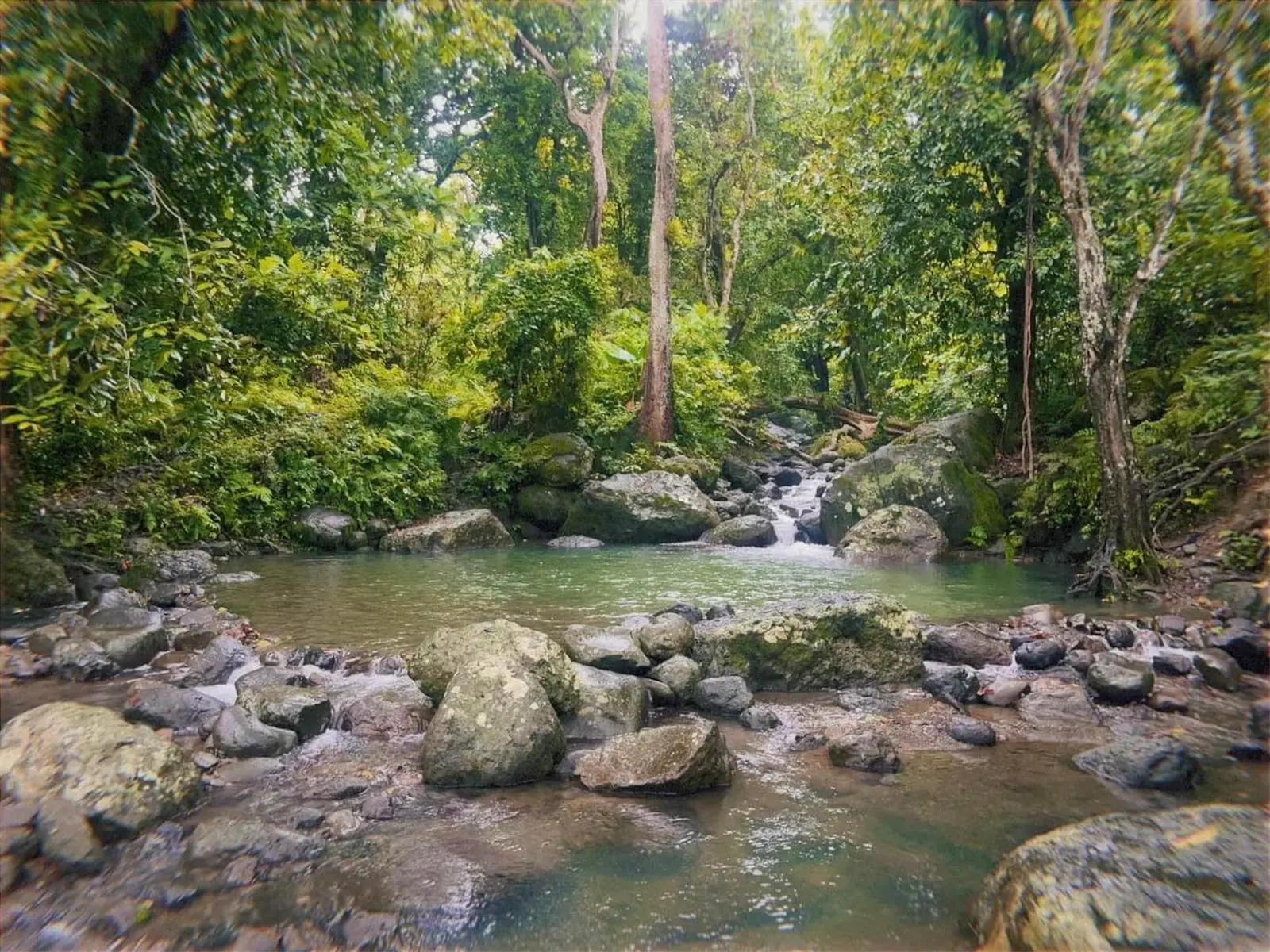
Just beyond the edge of Savusavu town, in the Wailevu East district, a small village community sits nestled between green hills and quiet forest.
Life there is shaped by shared responsibility, long-held customs and a deep connection to the land.
Not far from the village homes and meeting spaces lies Nasaseru Pool, a natural spring known for its cool mineral water.
Related stories
To the community, the spring is more than a source of water. It is regarded as a healing pool, known locally as Wainidruki (massage waters).
Families have visited Nasaseru for generations, bathing their babies in its mineral-rich water so their muscles to promote strength and wellbeing.
Elders come to soothe tired bodies, while many visitors simply seek a moment of calm and reflection.
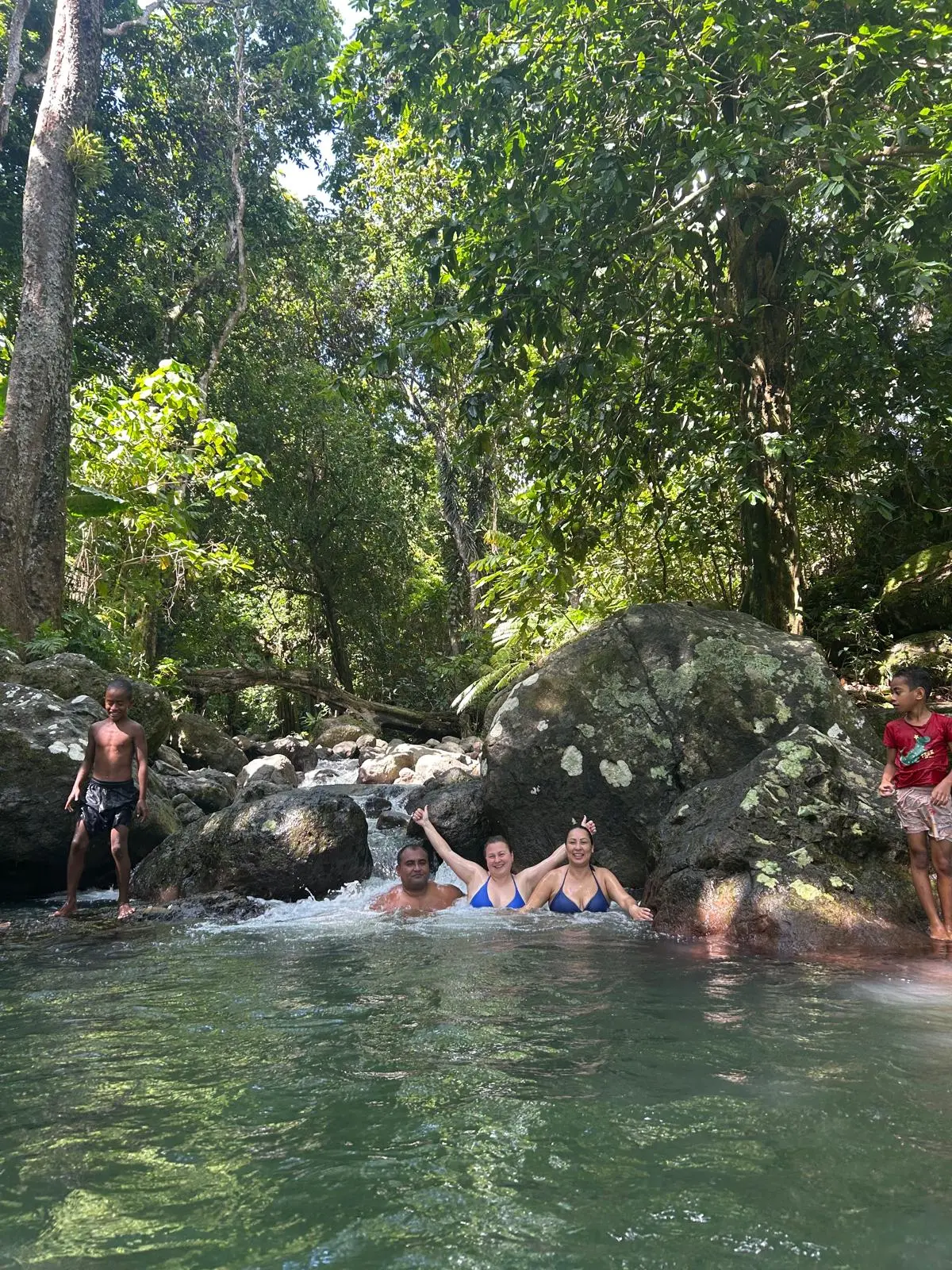
Several years ago, a group of local youth began inviting visitors from nearby resorts to experience the pool and learn about the customs connected to it.
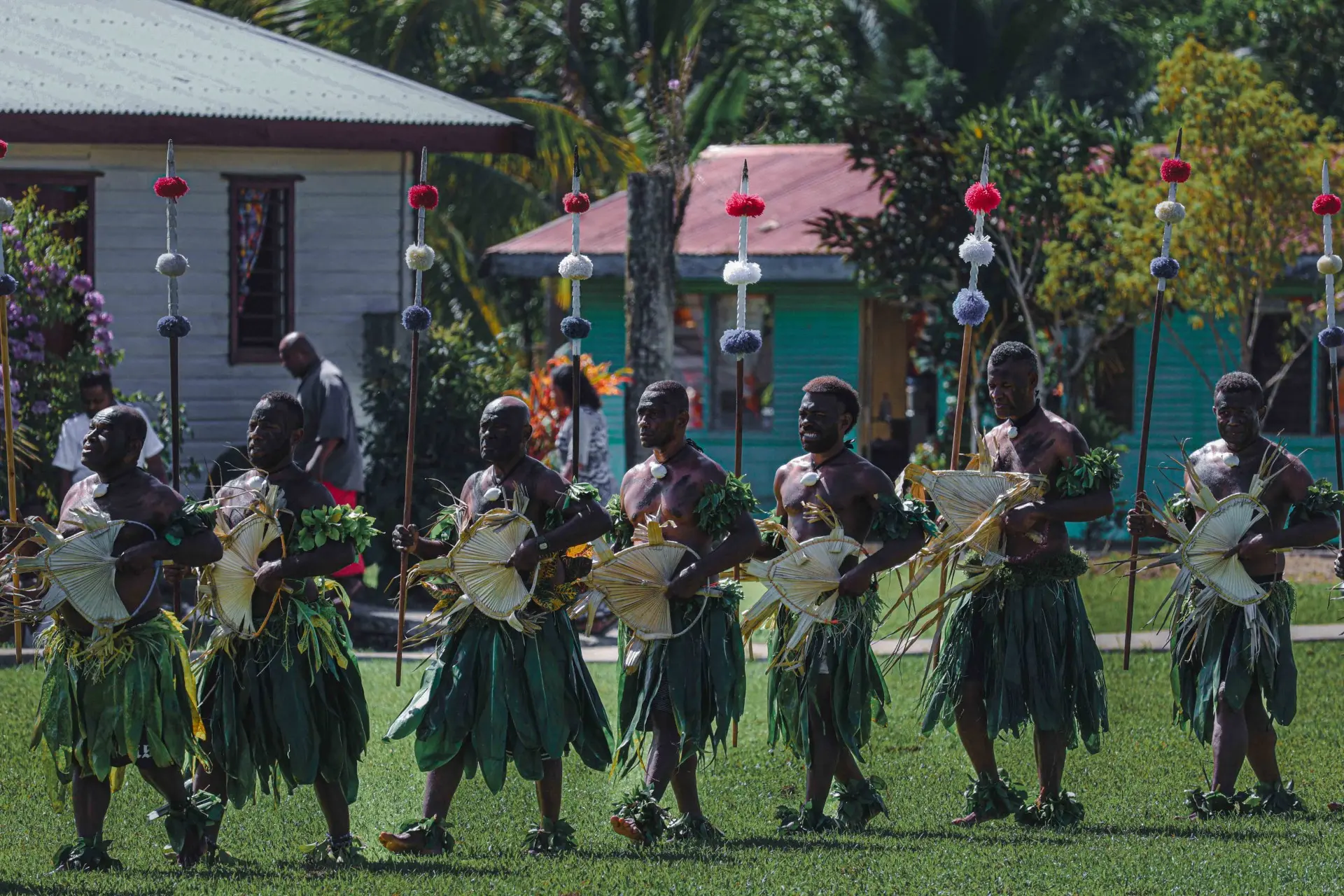
Guests were welcomed with ceremony, music and conversation before making their way to the water. Many travellers described the experience as one of the most meaningful parts of their time in Fiji.
That progress came to a halt when the COVID-19 pandemic brought tourism across the country to a standstill. The once-promising initiative fell quiet.
When Peace Corps volunteer Emily arrived, she spent time speaking with the youth who still believed in the project's potential.
They shared their hopes of rebuilding the initiative and creating new opportunities for local families.
With Emily’s support, they began mapping out practical steps and strengthening partnerships.
A committee soon formed, bringing together young women and men committed to guiding the project forward. They identified immediate priorities.
Visitors required safe access to the pool, and the site lacked adequate changing facilities. The group also recognised the importance of establishing a formal structure to support effective decision-making and responsible management.
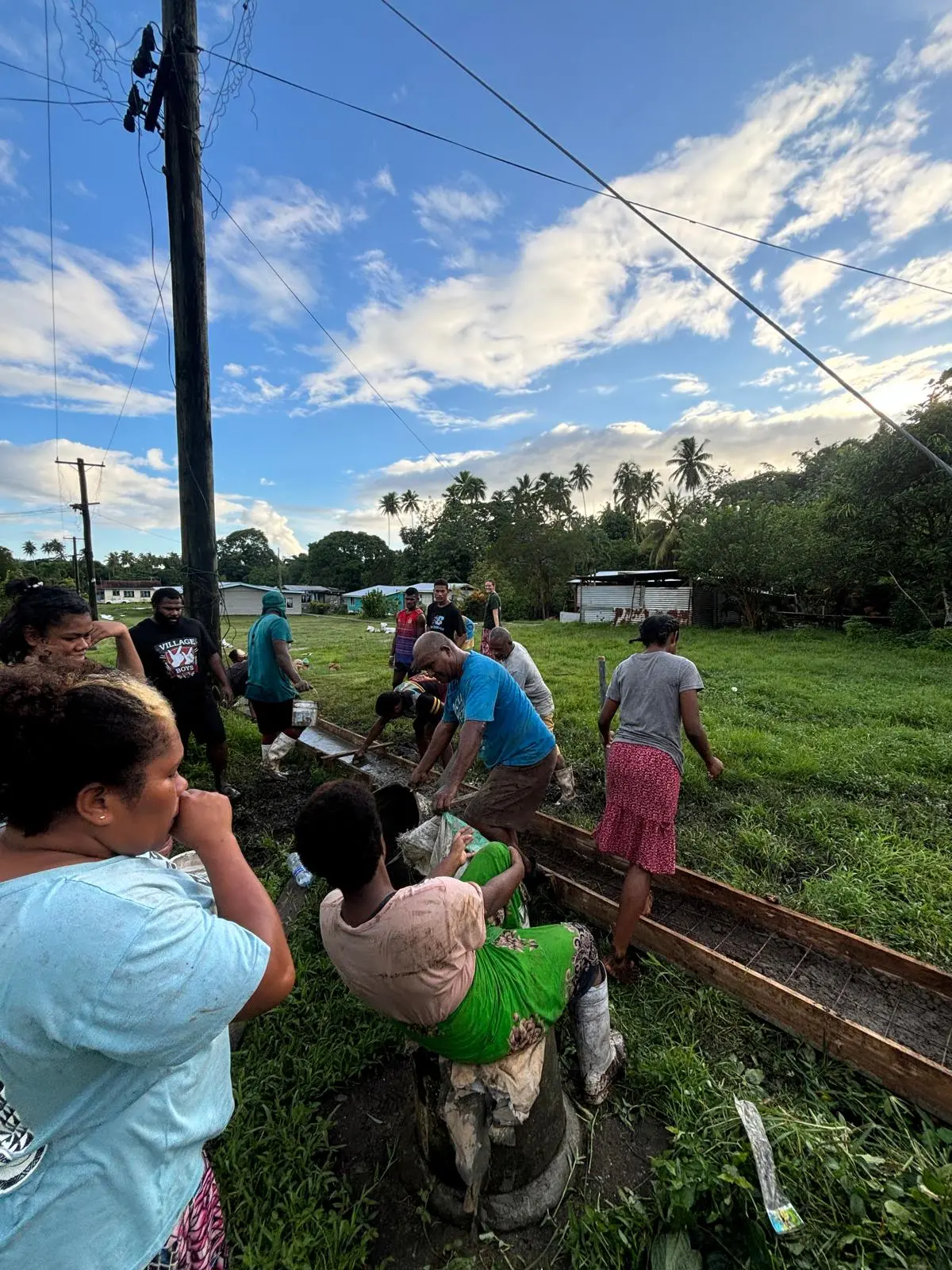
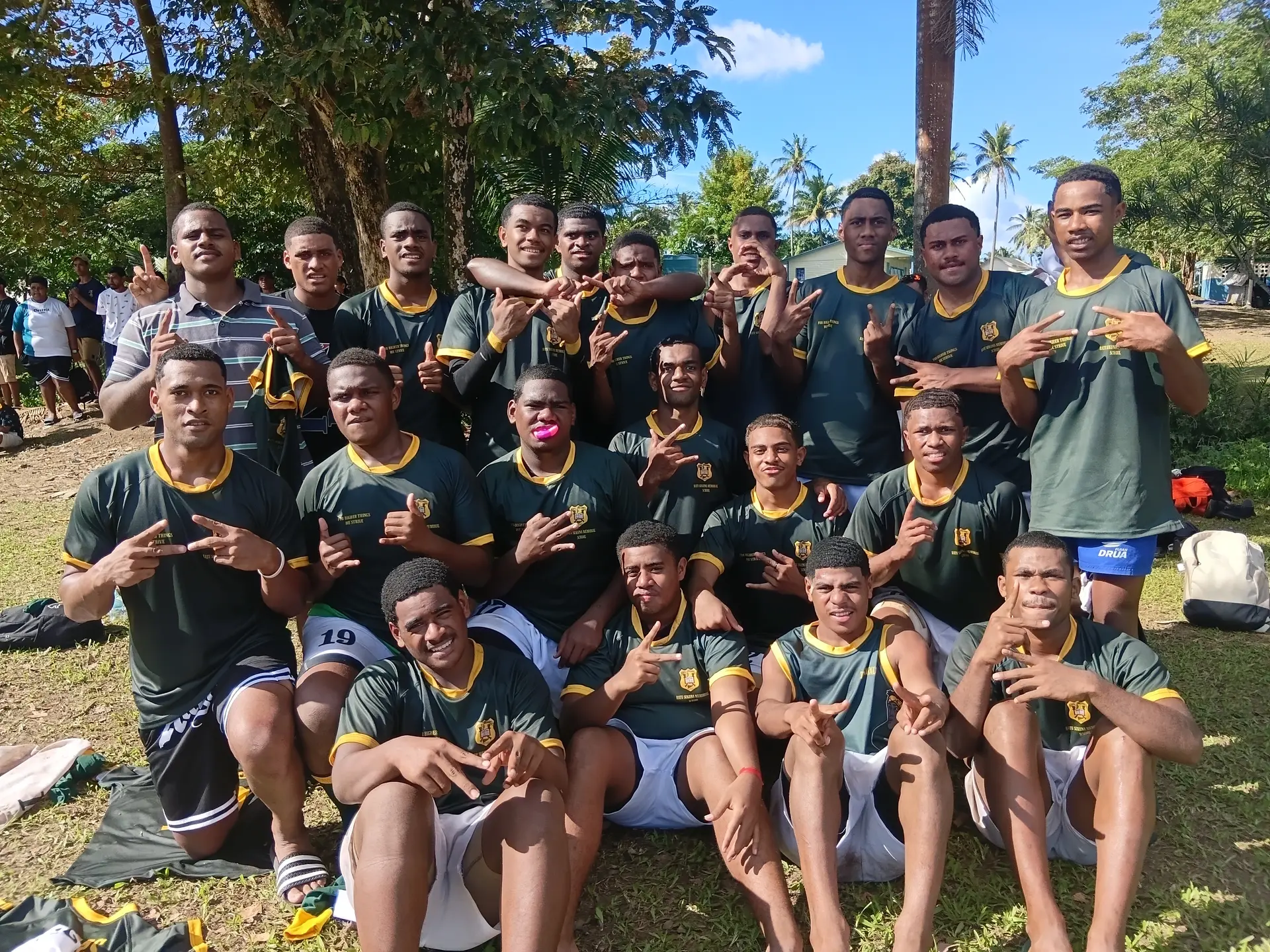
Young women and men helped in the revival of the eco-tourism project.
In January 2026, the committee received funding through the Peace Corps Partnership Programme. The support enabled the construction of new walking paths and well-designed changing rooms.
The work was carried out entirely by local residents, creating meaningful income opportunities while reinforcing community pride and ownership. By early April, the improvements were completed and the site felt renewed.
The group then completed cooperative registration and opened a bank account to manage project earnings.
These steps established a strong administrative foundation and demonstrated a long-term commitment to transparency and growth.
Even in its early stages, the project has delivered tangible benefits. Revenue has supported community maintenance, assisted families during important events and contributed to the construction of a new home.
Women and youth are also finding new opportunities to create and sell handicrafts, helping generate personal income and strengthen household resilience.
Training has been a key part of the project’s success. Committee members have participated in workshops covering tour guiding, food safety and cooperative operations.
Two women recently completed a Sustainable Tourism and Gastronomy course supported by the UN Tourism and the Pacific Tourism Organisation, returning with new ideas to enhance the visitor experience.
The committee has also joined a developing tourism network in Cakaudrove, providing opportunities to share knowledge and learn from others leading community-based tourism initiatives.
Looking ahead, the team plans to develop informative signage, produce marketing materials and offer sulus for sale to help support ongoing maintenance and operations.
Their vision is to position Nasaseru Pool as a welcoming, well-organised and community-powered attraction for visitors seeking an authentic connection with Fiji.
What began as a simple idea has evolved into a meaningful partnership built on cooperation, guidance and shared purpose.
Local youth led the way, Emily walked alongside them, and support from the Peace Corps Partnership Programme helped turn plans into reality.
Today, Nasaseru Pool stands as a reminder of what is possible when communities come together with patience, generosity and a shared belief in their future.
Explore more on these topics





Advertisement
Advertise with Fiji Sun