SportsTalk: Keyboard Warriors Cautioned
"The mental impact that can affect personal life, relationship and the community is exponential. Then the sport if a prospect sees the risk of been criticised and bullied if he participates in that sport. It will slowly kill the sport," he said.
Tuesday 28 November 2023 | 17:32

Everyone in the country has a say when it comes to sports.
That shows how much we are into sports and people don’t hold back to vent out their frustrations on social media, if their sports teams don’t perform.
Even worse, match officials are now at the receiving end of all these criticisms.
Also, there have been cases of confidential documents or financial reports posted on social media and other platforms.
Is it right?
Now the issue of human trafficking is being added to this.
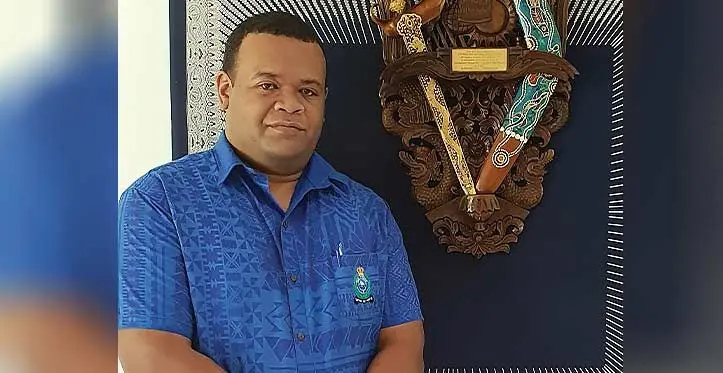
We spoke to Savenaca Siwatibau Waqa (SW) of the Ministry of Home Affairs and Immigration on the matter since he is a specialist in Digital Forensics/ IT Investigation/ Cybersecurity.
SUN: On social media, we’ve critics who time and again ridicule our sports people by calling them names. This often happens when they fail to perform to the critics’ expectations. What’s your take on that? Is it a crime?
SW: On critics there has to be a clear understanding of the law where and how to criticise.
The Online Safety Act 2018 says: This means that if the post is to cause harm or will cause harm to the individual then it violates the law. It is then an offense and can be reported to the Online Safety Commission.
The Act stipulates factors that the Court may take into account in determining whether a post would cause harm, and these include:
- Extremity of the language, images or video used;
- Age and characteristics of the individual involved;
- Whether the communication was anonymous or repeated;
- The extent of its circulation;
- Whether it is true or false context in which it appeared.
SUN: There are those who post on social media, sporting organisations’ financial reports, confidential documents and statements. Could these people be in trouble with the law if the sporting organisation involved reports the matter to the authorities?
SW: Posting of documents that are clearly marked confidential can be reported to the Police.
SUN: What is your advice to sporting organisations that always use social media to inform their people?
SW: We encourage organisation using social media but there is a need to know what to post and what not to post. How to secure the organisation page on social media? What are the processes in place that they can use in case of any incident or violation of policy or law?
SUN: Why is cybersecurity in sports now important compared to previous years?
SW: There a few factors why cybersecurity is now important in sports but we will highlight two main points;
Increased digitisation: The sports industry is becoming increasingly reliant on technology, with everything from ticketing and merchandise sales to athlete training and performance analysis being managed through digital systems. This increased digitisation has created a larger attack surface for cybercriminals to exploit.
Valuable data: Sports organisations collect and store a wealth of valuable data, including personal information about sporting individuals, fans, financial data, and intellectual property. This data is highly attractive to cybercriminals who can use it for financial gain, to embarrass or blackmail individuals, or to disrupt sporting events.
SUN: What is the impact of cybercrime in professional sports?
SW: This question can be answered in many different aspects. The main one is on the effect to the individual sportsperson.
The mental impact that can affect personal life, relationship and the community is exponential. Then the sport if a prospect sees the risk of been criticised and bullied if he participates in that sport. It will slowly kill the sport.
SUN: Can you explain how ‘Human Trafficking’ takes place in sports?
SW: Human trafficking is a global organised crime that pervades every aspect of society, from domestic workers to high-level office professionals.
It constitutes a blatant violation of fundamental human rights as enshrined in the Bill of Rights, Chapter 2 of the Constitution. When these rights are violated in the context of sports personnel, it is considered human trafficking. This infringement can occur through exploitative contracts or terms and conditions.
A practical illustration would be a sportsperson signing a contract in Fiji, only to discover upon arrival at their designated sporting club that the actual contract is vastly different. This scenario exemplifies human trafficking.
In essence, human trafficking in sports occurs when athletes are subjected to deceptive or exploitative practices that violate their fundamental human rights. This can encompass a range of abuses, including;
- Misrepresentation of employment terms and conditions: Athletes may be lured with promises of lucrative contracts, professional development, or international exposure, only to find themselves trapped in situations of forced labour, debt bondage, or physical and psychological coercion.
- Restriction of movement and communication: Athletes may be prevented from contacting their families, accessing legal counsel, or seeking assistance from authorities, leaving them isolated and vulnerable to exploitation.
- Confiscation of passports and other documents: Traffickers may seize athletes’ passports, visas, or other identification documents, rendering them undocumented and unable to escape their situation.
- Physical and psychological abuse: Athletes may be subjected to physical violence, threats, intimidation, and psychological manipulation to maintain control and suppress resistance.
- Sexual exploitation: Athletes, particularly female athletes, may be forced into prostitution or other forms of sexual exploitation.
The consequences of human trafficking in sports extend far beyond the immediate impact on individual athletes.
It undermines the integrity of the sporting industry, erodes public trust, and tars the reputation of legitimate sports organisations.
SUN: Is there any example in Fiji concerning human trafficking in sports?
SW: My heart goes out to those who have been impacted by the harrowing reality of human trafficking.
It’s devastating to hear about athletes falling victim to such unconscionable practices.
I wholeheartedly agree that the earlier explanation sheds light on identifying potential victims among our local sport personalities. While this pursuit is crucial, it’s equally vital to acknowledge and uphold those potentially affected by scrupulous actions.
Therefore, I propose an approach that prioritises protecting the privacy and confidentiality of athletes who may have endured this ordeal. Their emotional well-being remains paramount, and any efforts to expose their identities must be executed with utmost sensitivity and discretion.
The gravity of human trafficking’s consequences reverberates through families and loved ones who bear witness to the immense pain and suffering it inflicts. It’s crucial for them to know that they are not alone in this fight and that support systems are readily available to guide them through this challenging time.
SUN: What is your advice to those who use the social media platform to voice their grievances, vent out their anger on referees or match officials when their teams don’t win?
SW: Calling all Fijian sports enthusiasts! As we cheer on our athletes, let’s remember the values that make Fiji so special– kindness, respect, and joyful unity.
Let’s spread these values both online and offline, creating a positive and supportive environment for everyone involved in sports. Together, we can make Fijian sports a beacon of respect and sportsmanship.
Let’s show our athletes and the world that Fijian fans are the best in the world. Here are some ways to be a respectful sports fan;
- Be positive and supportive. Our athletes give their all, so let’s show them our appreciation with cheers and encouragement.
- Respect the players, coaches, and officials. Everyone involved in sports deserves our respect, no matter the outcome of the game.
- Be mindful of your words and actions. Online and offline, let’s avoid negativity and promote the spirit of sportsmanship.
- Celebrate the game and the camaraderie. Sports bring us together, so let’s enjoy the experience and make it a positive one for everyone.
Remember, respect is a two-way street. Let’s show our athletes and the world that Fijian fans are the embodiment of respect and sportsmanship. Together, we can make a difference!
SUN: Sports people, organisations or match officials who have become victims of abuse on social media, what appropriate action could they take?
SW: For anyone that faces abuse online. We have the Online Safety Commission Fiji that you can lodge your report with. It has an online reporting portal - https://osc.com.fj/ OSC will refer to Fiji Police, any reports that has criminal elements.
SUN: What are sort of assistance do you offer these victims?
SW: There are various assistance provided by Government and NGOs, this is through counselling and support group.
SUN: We’re known as a sporting nation so from the Police Cybercrime Unit, what is your advice to the public?
SW: Enjoy sports responsibly whether you are a spectator, a sporting fan or an athlete. Let’s respect each other and enjoy sports responsibly.
Feedback: leonec@fijisun.com.fj