Lupus changed my Life, but it didn't define me: Survivor
After 16 years with the disease, Anareta Matainadroga is urging greater compassion and support for those living with chronic illnesses.
Thursday 26 November 2026 | 17:00
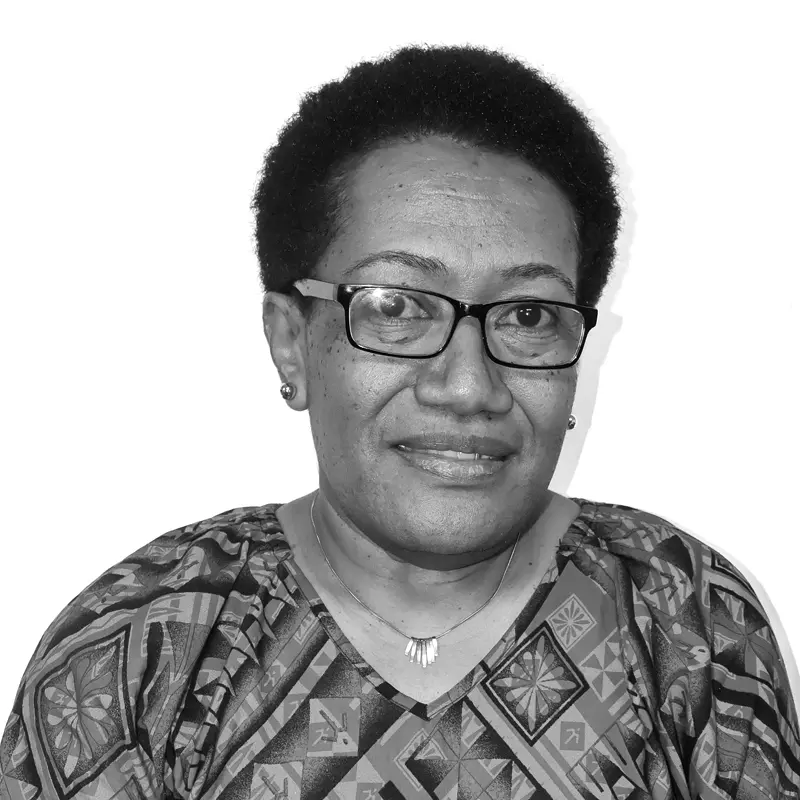
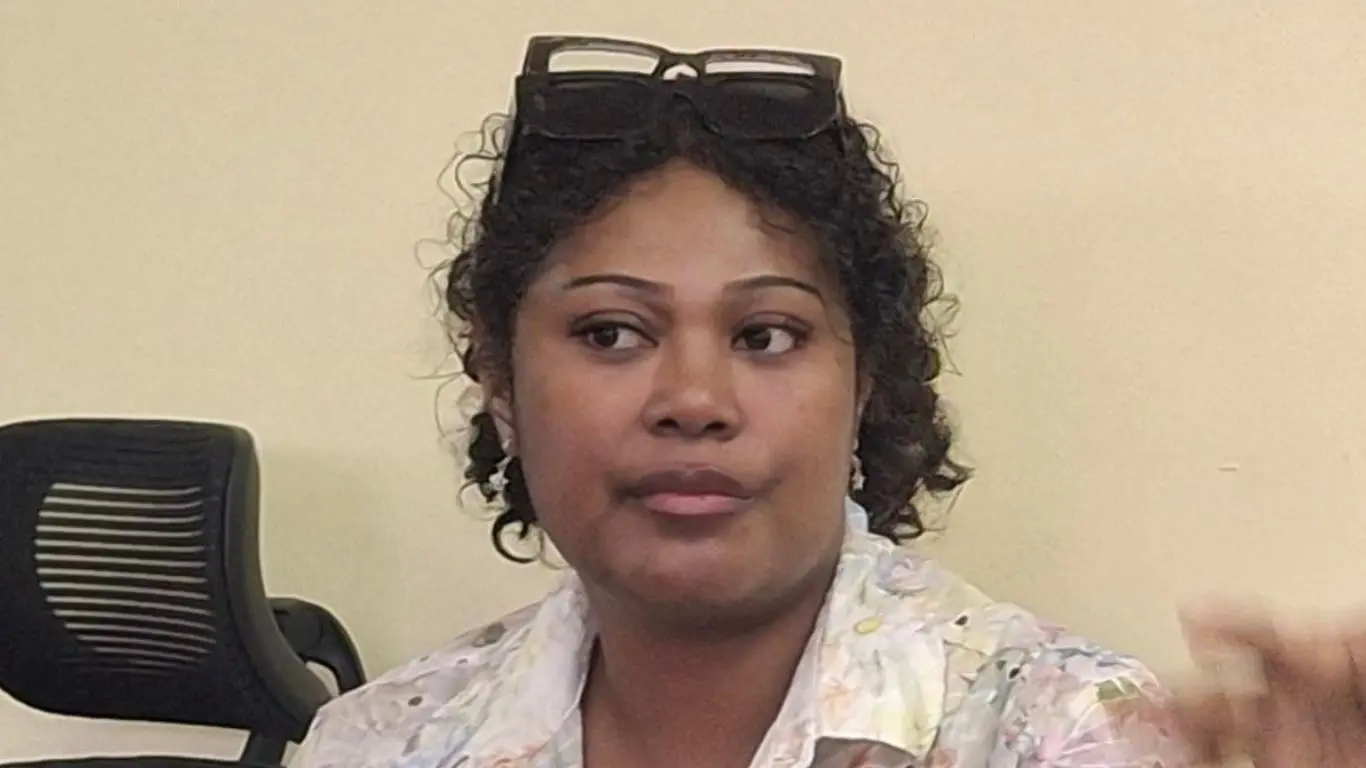
At 29, Anareta Matainadroga has spent more than half her life living with lupus.
Photo: Mereleki Nai
At 29, Anareta Matainadroga has spent more than half her life living with lupus.
Diagnosed at 13, she has learnt to manage the chronic illness over the past 16 years. However, even symptoms classified as mild have taken a heavy toll, eventually forcing her to resign from her job after a prolonged period of illness.
Now living in the Western Division after moving from Suva, she says accessing medication and healthcare has brought a new set of challenges.
Related stories
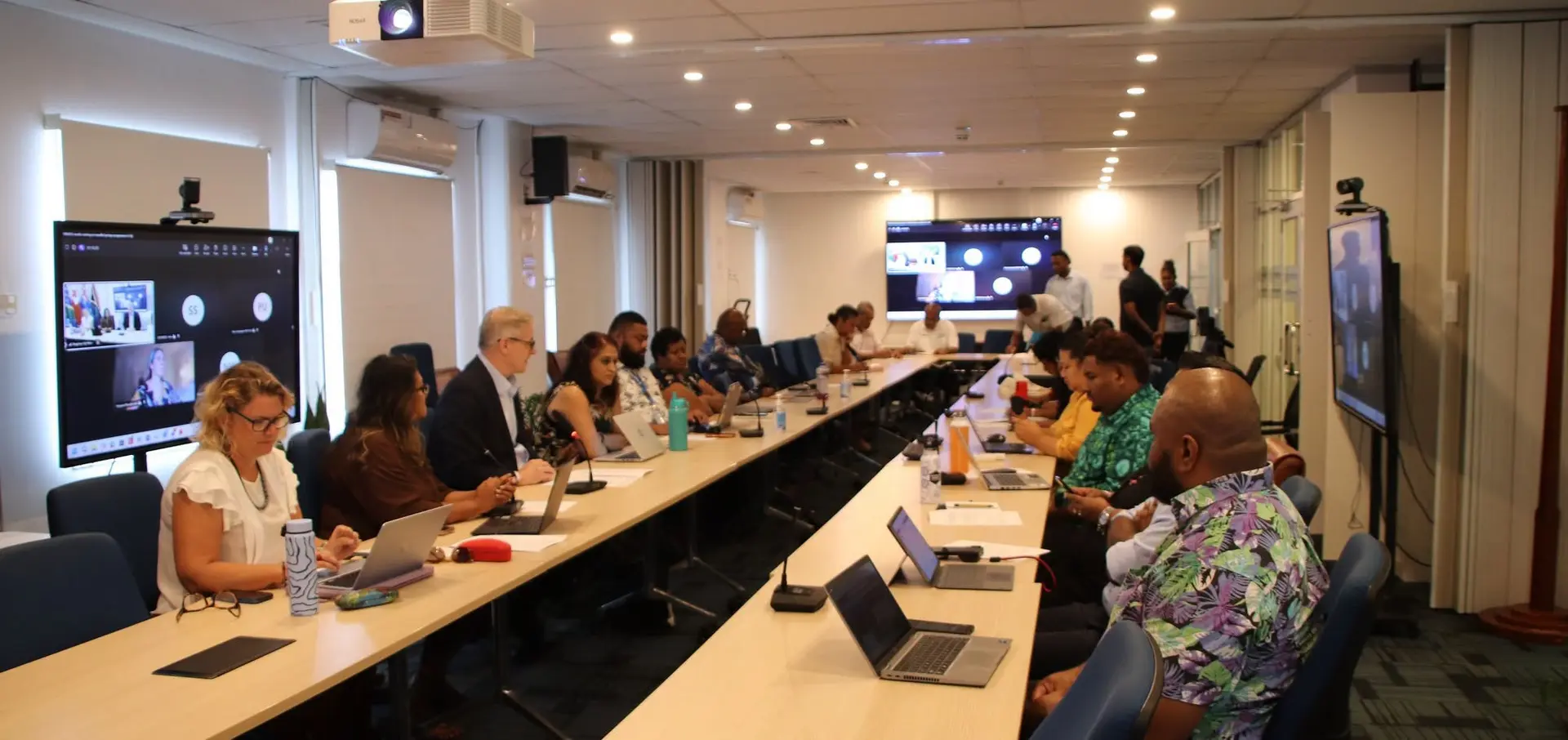
She shared her experience during a Lupus Awareness session at the Telecom Fiji Limited Exchange Training Room in Lautoka today, highlighting the realities many people with chronic illnesses face beyond their medical diagnosis.
Ms Matainadroga said she grew up experiencing symptoms she did not realise were linked to lupus. Frequent hospital visits and treatment became part of her life, leaving her familiar with hospital procedures and the range of medication prescribed to manage the condition.
Although her symptoms were considered mild, they still disrupted her everyday life.
Lack of sleep and exposure to sunlight could trigger symptoms, while a prolonged bout of flu affected her ability to work consistently. Eventually, she made the difficult decision to resign.
Her experience, she said, showed that the impact of lupus should not be measured solely by how severe a patient's symptoms appear.
She also understands the challenges faced by people with more serious complications. She recalled having to relearn how to walk and said some patients experience difficulties with speech and mobility.
Despite these challenges, Ms Matainadroga considers herself fortunate that her lupus was diagnosed early, allowing her to develop ways to manage the condition and maintain a relatively normal lifestyle.
However, moving from Suva to the West has exposed her to differences in access to care.
She said lupus treatment and support were less accessible and less understood in the West than in Suva. Obtaining medication could require additional travel, while she estimated her monthly costs at about $60.
Her experience has made her more aware of the difficulties faced by patients who lack the financial means or support to manage their condition.
Ms Matainadroga said she was fortunate to have the support of family, friends and her partner, including their encouragement to put her health first.
Not everyone living with lupus has that option. Some patients have to continue working while unwell because they depend on their income to support themselves and their families.
She urged families, employers and communities to show greater understanding towards people living with chronic illnesses.
A person who withdraws from social activities or cannot work consistently may be dealing with symptoms that are not immediately visible, she said.
She encouraged friends and relatives not to dismiss patients' experiences and to offer support on both good and difficult days.
For Ms Matainadroga, early diagnosis, supportive healthcare professionals and a strong support network have helped her navigate 16 years with lupus.
Her message is that people living with the condition need understanding and support — not judgement — as they manage an illness that can affect every part of their lives.