Lupus is a real disease, not ‘Kalou ni Draki’, says Lupus Foundation
Lupus Foundation of Fiji is challenging misconceptions that connect the autoimmune disease to witchcraft.
Thursday 26 November 2026 | 17:00
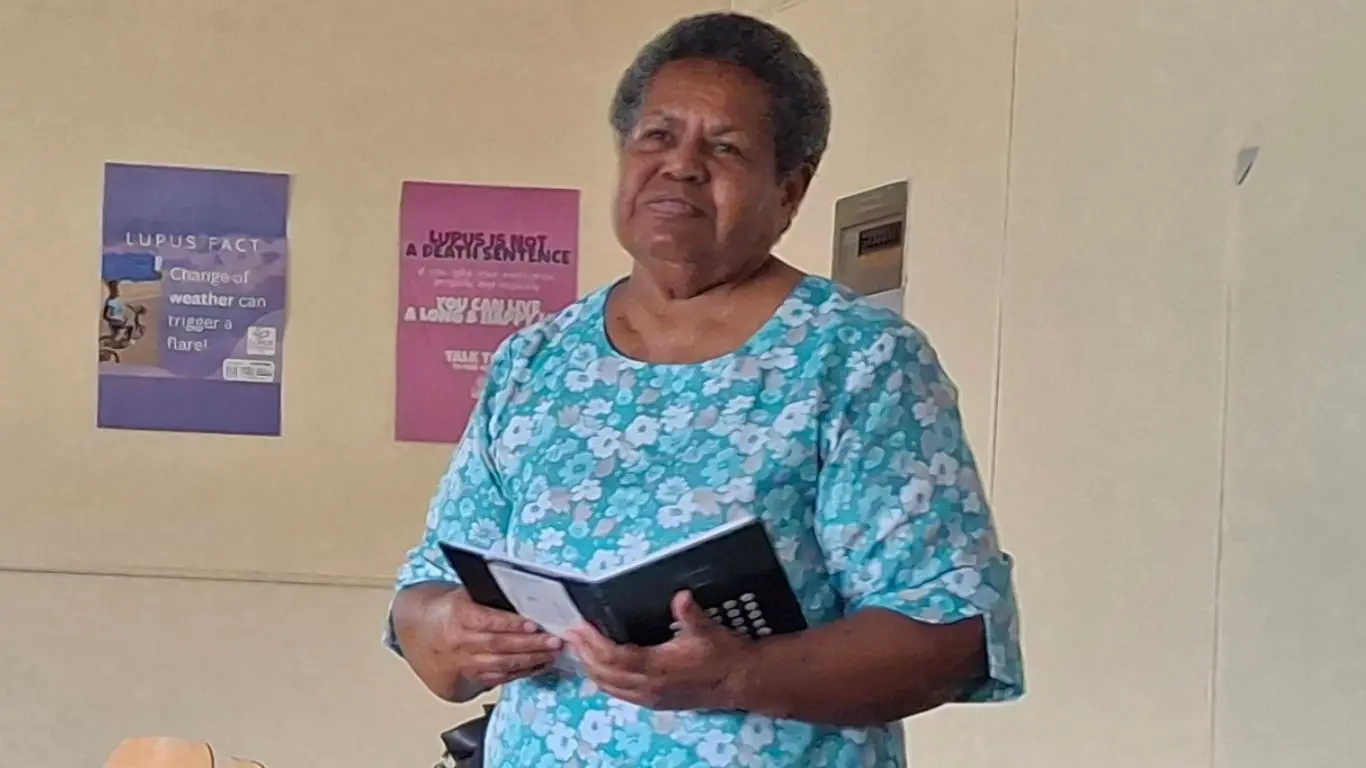
Lupus Foundation Fiji West coordinator Maria Waloki in Lautoka.
Photo: Mereleki Nai
People living with lupus should seek medical treatment rather than turn to witchcraft explanations or traditional claims about the disease, says Lupus Foundation of Fiji West coordinator Maria Waloki.
Ms Waloki said misconceptions linking lupus to witchcraft, including the local belief known as “Kalou ni Draki”, continued to create confusion and could delay patients from receiving proper medical care.
She raised the issue during a lupus awareness session for staff at the Telecom Fiji Limited Lautoka Exchange training room in Lautoka yesterday.
Related stories
“One of the last places that people go to is the hospital. They are going to other places like Nasukamai,” she said.
Ms Waloki referred to Nasukamai in Ra, where some people claimed ownership of the disease.
“We have awareness in Ra and we haven't finished Ra. We are telling them, you don't own any of this disease. This is a real disease,” she said.
“We are telling the people, if you have this disease, you have to go to the doctor so that you can be treated medically. That is the simple message. It is not witchcraft.”
Ms Waloki, a Fijian physiotherapist, also serves as deputy chair and a board member of the Lupus Foundation of Fiji (LFF).
She highlighted the importance of recognising lupus symptoms early, seeking medical attention and managing the condition with appropriate treatment.
Lupus is a long-term autoimmune disease in which the body's immune system attacks its own tissues. It can affect different organs, including the kidneys and brain.
Symptoms can include joint pain, fever, mouth ulcers and a butterfly-shaped rash across the face.
There is no definitive cure for lupus, but early diagnosis and appropriate medical management can help patients manage the condition and maintain their quality of life.
The awareness session covered the physical, emotional and psychological effects of lupus, as well as the importance of diet, lifestyle adjustments and ongoing medical care.
Ms Waloki also highlighted the role families and communities play in supporting people living with the condition.
She said stress, stigma and a lack of understanding could make living with a chronic illness more difficult.
The Foundation, now in its seventh year, continues to work with patients, families and communities to improve understanding of lupus and encourage people to seek medical care.
Its message is that lupus is a medical condition, not witchcraft, and people diagnosed with the disease can continue to live fulfilling lives with proper management and support.