Shame, cultural taboos over HIV status puts Fiji’s youth at risk
Health officials warn silence, shame and cultural taboos are driving new infections
Sunday 12 April 2026 | 22:00

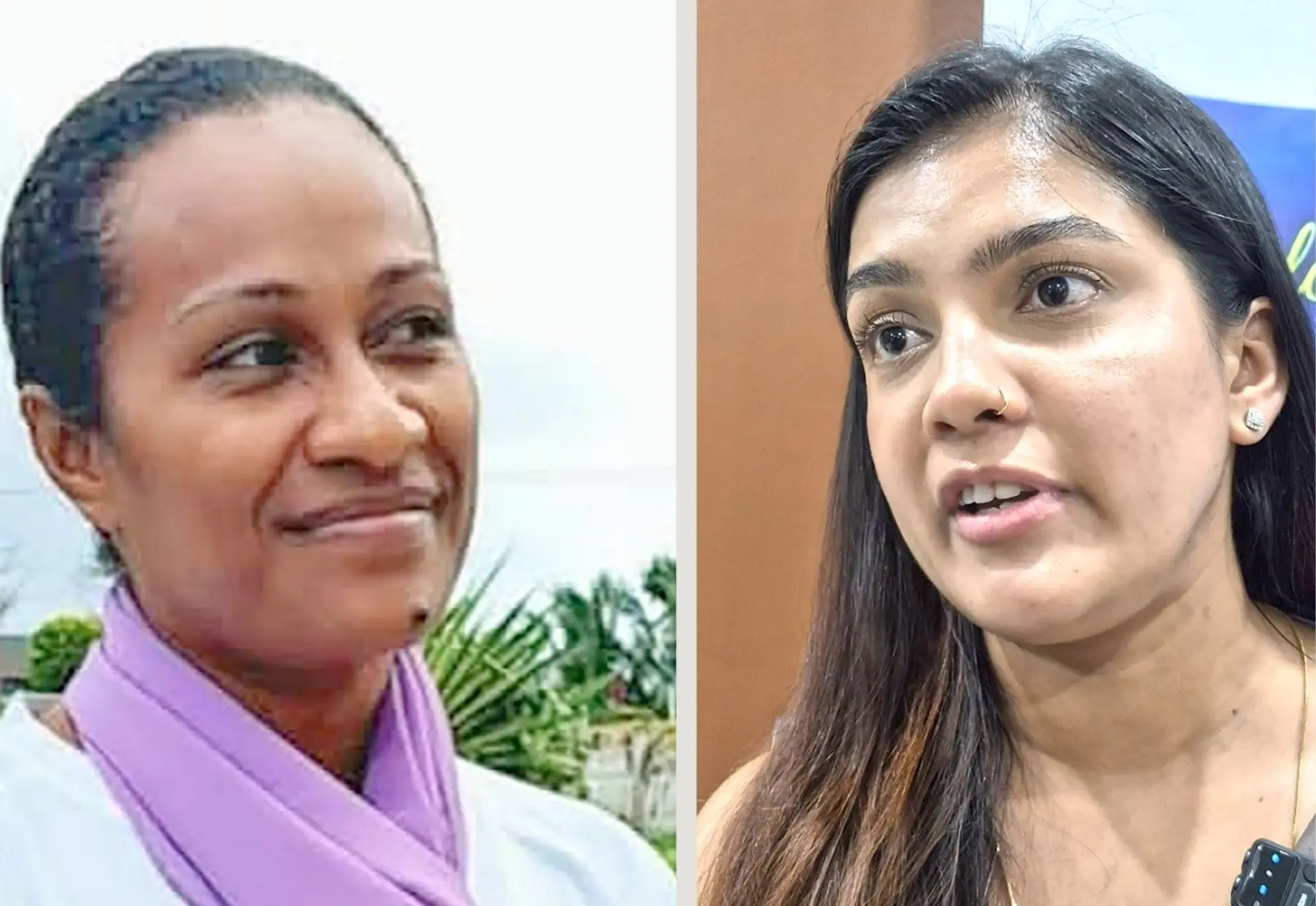
National Youth Council of Fiji president Laisani Sepo and Ministry of Health HIV taskforce lead Dr Priya Kaur.
Photo: Supplied
Fear of judgment is contributing to the increase in HIV in Fiji, especially among young people.
The fear and stigma of being known to have HIV is stopping young Fijians from seeking medical tests. This is a silent killer as public health officials and youth advocates warning the silence is fuelling the country’s worsening epidemic.
Fiji recorded 2003 new HIV diagnoses in 2025, up from 1583 the year before — a 17-fold increase from 2019 levels.
Related stories
The hardest hit are young people aged 20 to 24, who record the highest number of new infections, while teenage cases have surged 45-fold in three years.
National Youth Council of Fiji president Laisani Sepo said shame and cultural taboos had been keeping young people away from visiting medical testing centres.
“In our iTaukei setting, it’s normally a taboo that we talk about sex in our family,” Ms Sepo said.
“When people are seen going into health services for testing, then they are stigmatised.”
She said young people were weighing stigma against their health — and too often, stigma was winning.
Government response
Ministry of Health HIV taskforce lead Dr Priya Kaur said the scale of the crisis meant every Fijian healthcare worker should now need to be part of the response.
“Nobody comes. No 15-year-old comes to the doctor and says ‘I need a test for HIV,” Dr Kaur said, urging that everyone aged 15 to 40 be routinely screened.
“The stigma — the fear of being judged is fuelling discrimination and pushing infected people away from treatment.”
She said people on treatment for at least six months could not spread the virus, even through sexual contact.
“If you are informed, then you are going to treat everybody like a normal human being,” she said.
The spread is being driven by both sexual transmission and injecting drug use, including the practice known as “blue-toothing,” where drugs are shared through infected needles.
Ms Sepo also called on Government to strengthen community relationships so young people felt safe enough to seek help.
“The HIV is something that we cannot turn a blind eye onto,” she said. “It’s real.”
HIV testing and treatment remain free at all Ministry of Health facilities.
Feedback: kaneta.naimatau@fijisun.com.fj








Advertisement
Advertise with Fiji Sun