Two deaths prompt leptospirosis warning for Northern Division
The public is urged to take precautions seriously and seek medical care immediately if unwell, as leptospirosis is treatable if detected early.
Thursday 04 December 2025 | 10:00
Updated 04 December 2025 | 13:14 FJT

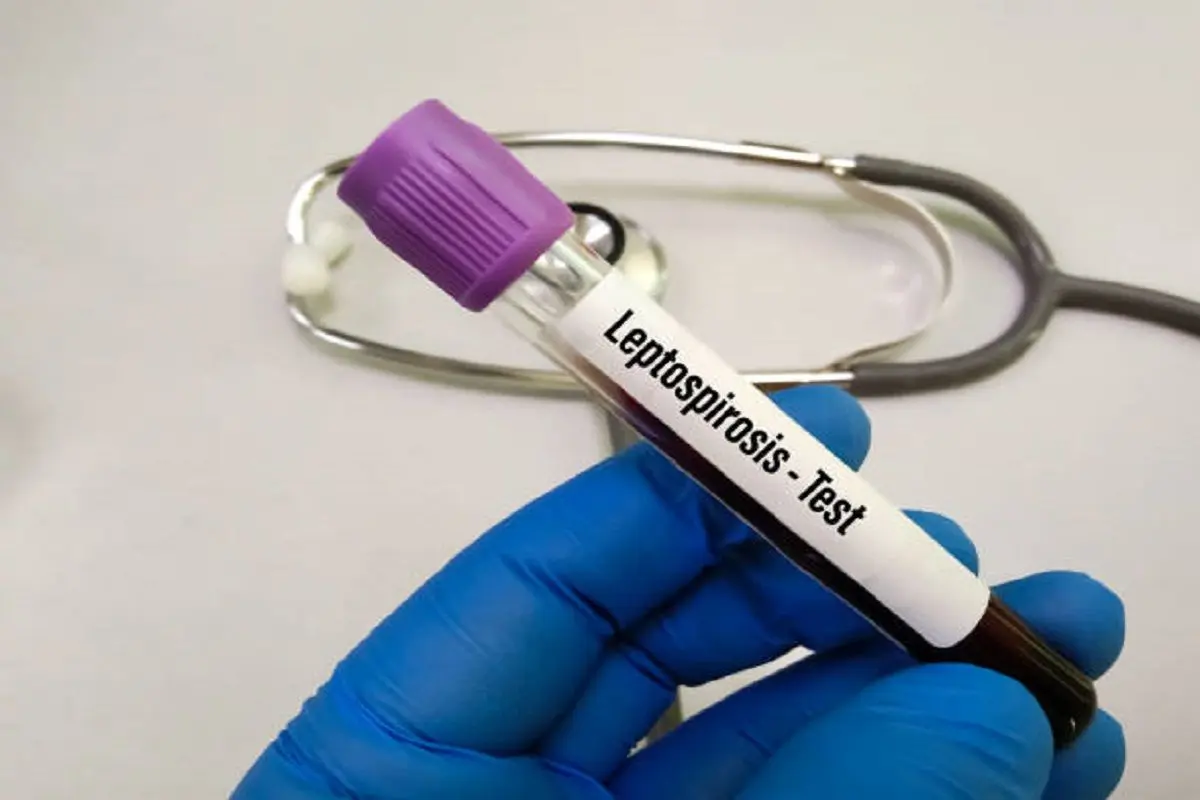
The Ministry of Health and Medical Services has issued an urgent public advisory after two leptospirosis-related deaths were recorded in the Northern Division.
While case numbers remain low, the ministry warned that leptospirosis is still a deadly disease, and the recent fatalities highlight the ongoing risk — especially following heavy rain and flooding.
“Although current reports may be low, leptospirosis is a deadly disease and requires immediate awareness and prevention,” the ministry said.
Related stories
More cases are expected with continued wet weather.
The public is urged to take precautions seriously and seek medical care immediately if unwell, as leptospirosis is treatable if detected early.
What is Leptospirosis?
Leptospirosis is a bacterial disease spread through the urine of infected animals, including cattle, pigs, rats, horses, dogs and mongoose. The bacteria can survive for weeks to months in soil, mud and water.
Humans become infected through:
- Contact with urine from infected animals
- Wading, swimming or working in contaminated water or soil
- Eating or drinking contaminated food or water
The bacteria can enter through cuts, broken skin, or the eyes, nose and mouth.
In Fiji, the disease is most common among adolescents to adults aged 45 — groups more likely to be active outdoors, especially during the rainy season.
Symptoms to Watch For
Leptospirosis symptoms can resemble other illnesses. They include:
- High fever
- Headache and chills
- Muscle aches
- Vomiting or diarrhoea
- Jaundice (yellow skin/eyes)
- Red eyes
- Abdominal pain
- Rash
Symptoms can appear 2 days to 4 weeks after exposure.
The disease may progress in two phases, with the second phase causing severe illness such as bleeding, respiratory distress, kidney or liver failure, or meningitis.
Severe cases can be fatal.
Anyone experiencing these symptoms should seek urgent medical attention.
How to Reduce Risk
The ministry advises communities, especially in rural and flood-affected areas, to take the following precautions:
- Avoid swimming or wading in rivers, flooded areas, or muddy water
- Wear protective footwear and clothing when outdoors or working in agriculture
- Store food safely to avoid contamination by rats or animals
- Reduce contact with livestock or potential animal urine sources
- Never consume food or water that may have been contaminated
Treatment
Leptospirosis can be treated with antibiotics, which are most effective when given early.
Severe cases may require intravenous antibiotics and hospitalisation, including intensive care.