Villages set to lose public health exemption
Public Health Bill to end village exemption dating back to 1935
Tuesday 02 June 2026 | 15:30

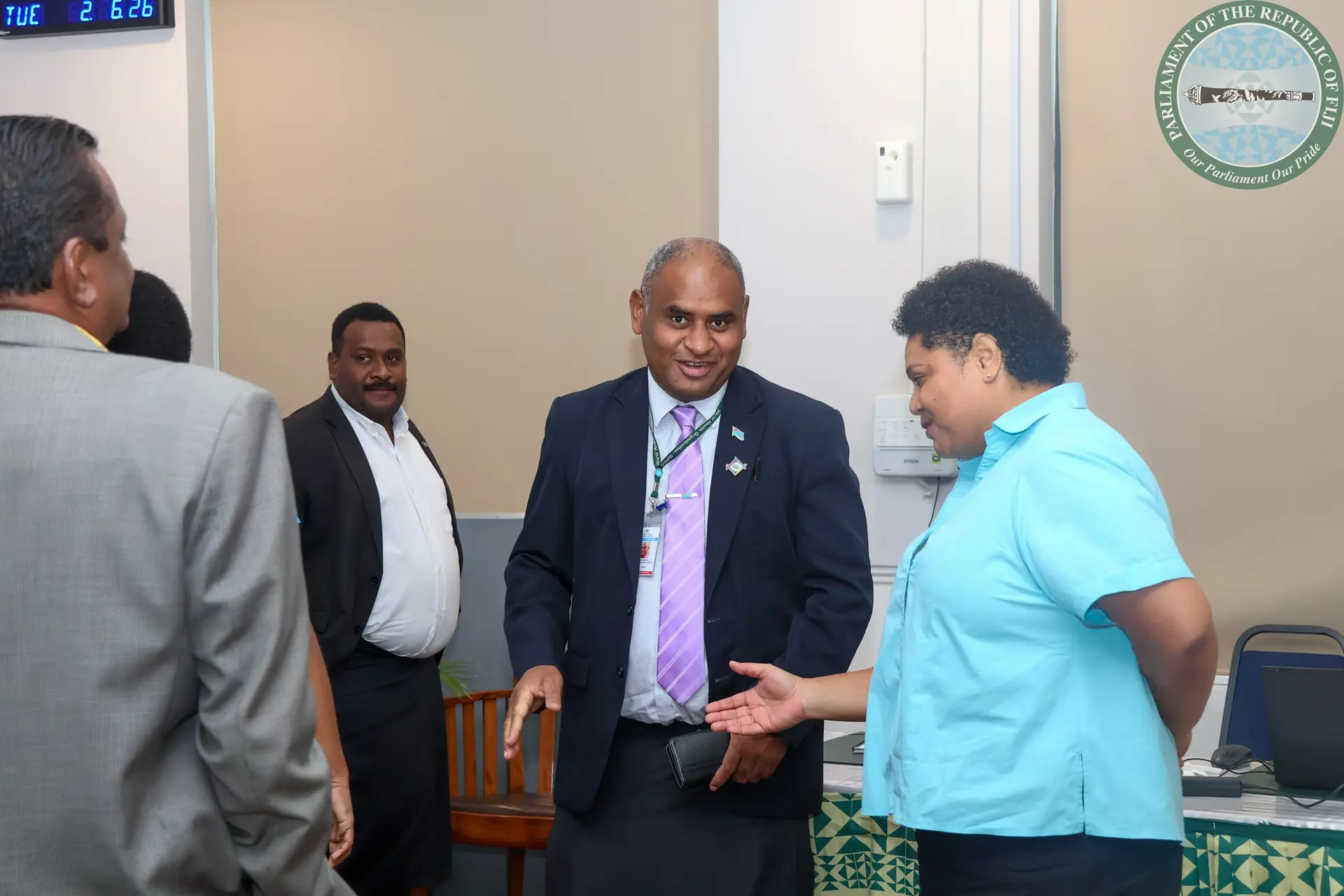
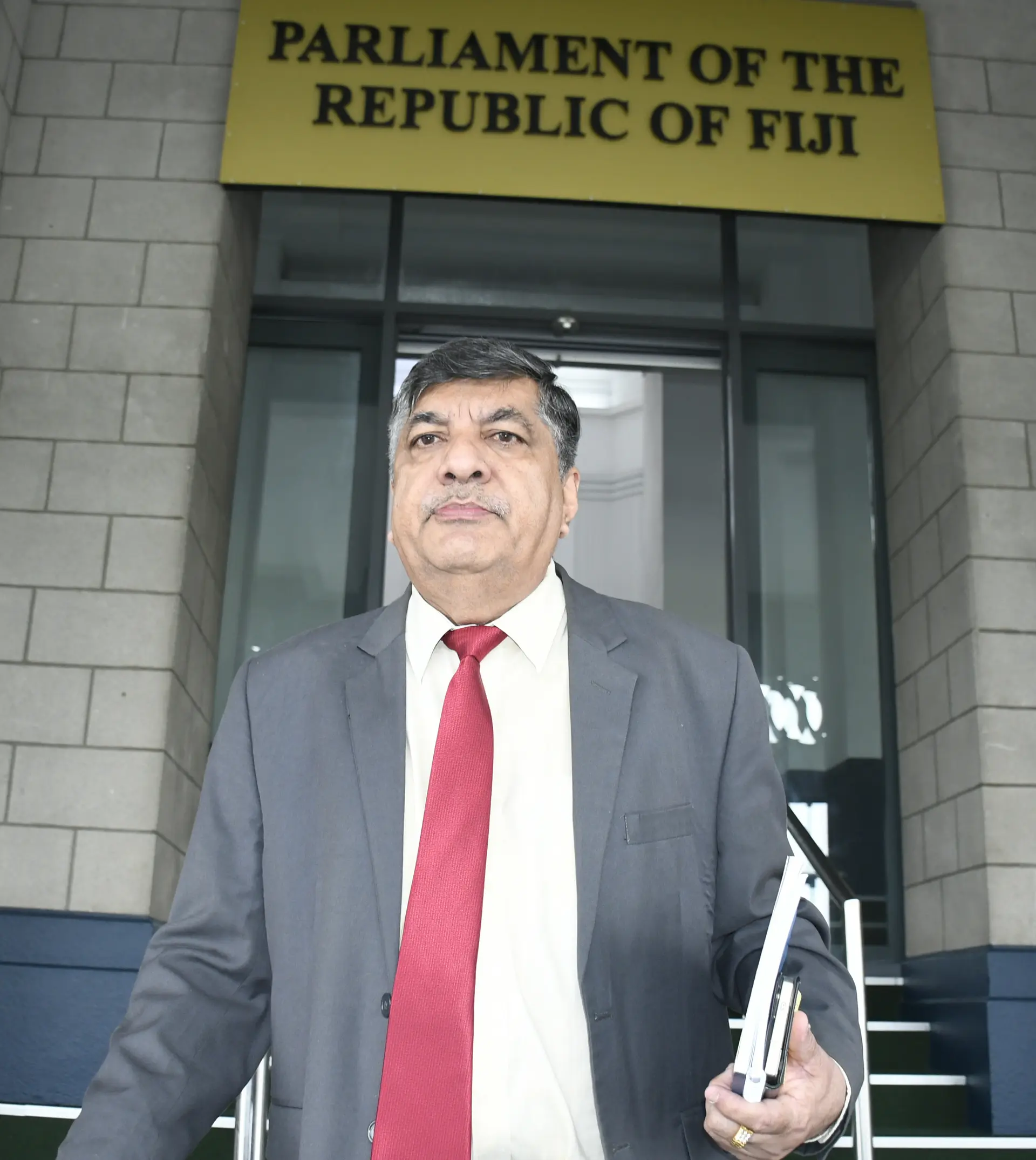
Acting Chief Health Inspector Luke Vonotabua in Parliament on June 2, 2026.
Photo: Parliament of Fiji
A law that has exempted villages from national public health enforcement for nearly a century is set to be removed under a proposed amendment to the Public Health Act.
Acting chief health inspector Luke Vonotabua told the Standing Committee on Social Affairs that Section 140 of the current Public Health Act, which dates back to 1935, states that the law does not apply to villages.
The Public Health Amendment Bill (Bill No. 4 of 2026) proposes removing the exemption and extending the Act to all parts of Fiji, including villages.
Related stories
"We cannot enforce the Public Health Act in iTaukei villages, although we receive complaints," Mr Vonotabua said.
He said health surveillance data showed iTaukei communities accounted for about 70 per cent of leptospirosis and dengue fever cases nationally, with issues ranging from animal keeping and wastewater disposal to mosquito-breeding conditions.
Mr Vonotabua said the COVID-19 pandemic further exposed the enforcement gap, with health inspectors unable to legally enter villages during the public health crisis.
Assistant Minister for Youth and Sports Aliki Bia, a committee member, said the bill would allow health officers to respond more quickly during future outbreaks.
"This bill helps a lot in enabling the Ministry of Health to act very quickly in terms of these critical emergencies," Mr Bia said.
Acting permanent secretary for iTaukei Affairs Paula Tuione supported the intent of the bill but raised concerns about proposed penalties, powers of entry and the need for extensive community awareness before enforcement begins.
"More than 50 per cent of our villages will be penalised," Mr Tuione warned, calling for consultation through provincial offices and the Turaga ni Koro before health officers enter villages.
The committee heard that the bill has already been translated into iTaukei and Hindi, with more than 30 stakeholders expected to participate in national public consultations.
Feedback: kaneta.naimatau@fijisun.com.fj