Leadership trends for 2026: Why behaviour will matter more than title
As organisations face growing complexity, influence is shifting away from titles and rhetoric toward psychological safety, emotional regulation and trust‑driven behaviour.
Tuesday 06 January 2026 | 15:30
Updated 06 January 2026 | 17:35 FJT

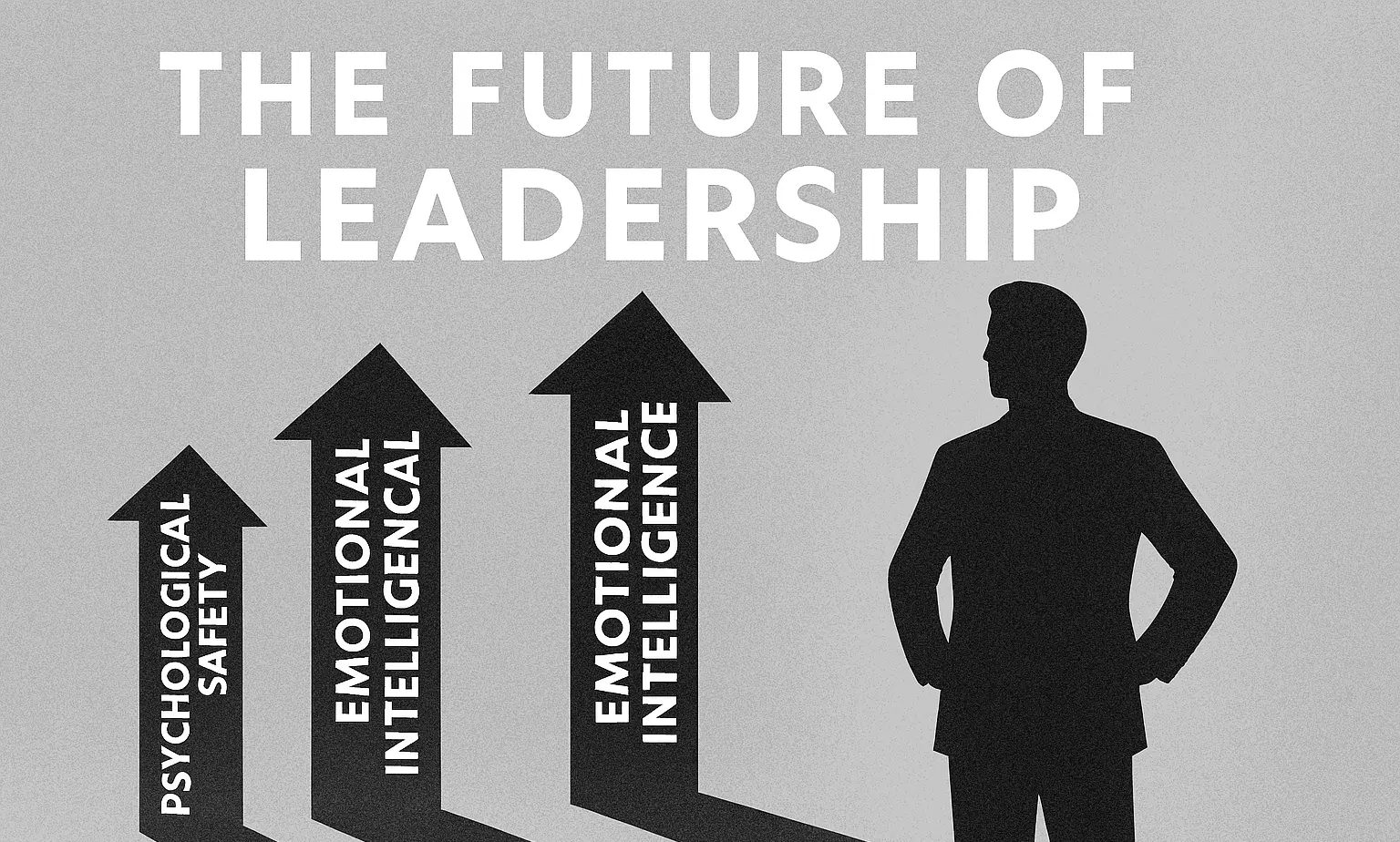
Leadership in 2026 will be less about having answers and more about creating conditions — conditions where people feel safe enough to speak, steady enough to perform, and trusted enough to commit.
Photo: AI Generated
As organisations move toward 2026, leadership expectations are shifting in ways that are subtle but deeply consequential.
This is not about new titles, digital tools, or rebranded values statements. It is about behaviour — particularly how leaders act under pressure, how they regulate themselves, and how much trust they genuinely command.
The leaders who succeed over the next few years will not be those who sound impressive, but those whose behaviour holds up when things become uncomfortable.
Related stories
Three trends in particular are reshaping what effective leadership looks like, and together they point to a clear message: leadership is becoming less performative and more psychological.
Psychological safety moves from buzzword to liability
For years, psychological safety has been discussed as a desirable cultural feature — something progressive organisations aspire to once the “real work” is done.
By 2026, that framing will no longer hold. Psychological safety is rapidly becoming a risk management issue.
Organisations are increasingly recognising that silence is not neutral. When people are afraid to speak up, errors go unchallenged, ethical concerns are buried, poor decisions compound, and warning signs are missed until damage is unavoidable. In this context, disengagement is not just a morale problem; it is an operational and reputational risk. What is changing is accountability.
Leaders will no longer be able to claim they “support” psychological safety while behaving in ways that undermine it. Saying the right things will matter far less than demonstrating behaviours that make speaking up possible — especially in moments of stress, urgency, or disagreement.
How leaders respond to bad news, dissent, or challenge will increasingly be seen as a measure of their competence, not just their temperament.
Leaders who rely heavily on positional authority will struggle in this environment.
Authority can silence people, but it cannot create safety.
In contrast, leaders who can create trust without control — through consistency, curiosity, and emotional steadiness — will be far better equipped for the realities of modern work.
By 2026, the absence of psychological safety will be treated less as an abstract cultural gap and more as a leadership failure with real consequences.
Emotionally intelligent leadership becomes non-negotiable
Alongside this shift is a rapidly shrinking tolerance for emotionally unaware leaders.
Emotional intelligence is no longer being framed as warmth, empathy, or being “nice.”
In 2026, it will be understood far more practically: emotional regulation, self-awareness, and the ability to manage one’s impact on others.
Leaders are increasingly being judged not by what they intend, but by what they create emotionally around them. A leader may believe they are being decisive, direct, or efficient, but if the emotional outcome is fear, defensiveness, or disengagement, that impact will matter more than their rationale.
This represents a significant shift away from excusing behaviour on the basis of pressure, seniority, or personality.
Stress is no longer an acceptable justification for emotional volatility. Leaders who cannot manage their own anxiety, defensiveness, or ego under pressure will increasingly be viewed as operational risks.
Their behaviour creates friction, slows decision-making, and erodes trust — often quietly, but consistently.
Emotionally intelligent leadership in 2026 is not about being endlessly empathetic or emotionally expressive. It is about stability.
Teams need leaders who can absorb pressure without transmitting it, who can have difficult conversations without escalating them, and who can remain grounded when others are not.
The ability to regulate oneself is becoming one of the most critical — and scrutinised — leadership capabilities.
Authority without trust will stop working
Perhaps the most significant structural shift leaders face is the continued erosion of traditional authority.
By 2026, many leaders will be required to lead without formal power across matrixed organisations, remote teams, contractors, and cross-functional environments.
Title alone will carry far less weight than it once did. In these conditions, influence replaces instruction. Credibility replaces command.
Consistency replaces charisma. Leaders who rely on position to gain compliance will find diminishing returns, particularly with experienced, mobile, and values-driven employees.
rust is no longer assumed; it is built behaviourally.
People assess leaders continuously based on follow-through, fairness, clarity, and how decisions are explained.
They notice whether standards are applied consistently, whether leaders listen when it is inconvenient, and whether commitments survive pressure.
By 2026, authority without trust will not just be ineffective — it will be actively resisted.
People may comply outwardly while disengaging inwardly, creating a dangerous illusion of alignment.
The leaders who succeed will be those who understand that trust is not a soft concept, but a practical one. It is earned through repeated, observable behaviour over time.
The evolution of leadership
Taken together, these trends point to a clear evolution in leadership. The era of relying on role, rhetoric, or resilience narratives is ending.
What is emerging is a model of leadership grounded in psychological awareness, emotional control, and behavioural credibility.
Leadership in 2026 will be less about having answers and more about creating conditions — conditions where people feel safe enough to speak, steady enough to perform, and trusted enough to commit.
Leaders who understand this shift will find themselves increasingly effective, even in uncertain environments.
Those who don’t may still hold authority, but they will struggle to hold people.
The future of leadership is not louder, faster, or tougher. It is calmer, clearer, and far more accountable.