National Quality Policy under review
Stakeholders gather in Suva to shape a policy ensuring safe, reliable products and stronger trade credibility.
Tuesday 10 March 2026 | 13:30
Updated 10 March 2026 | 15:59 FJT

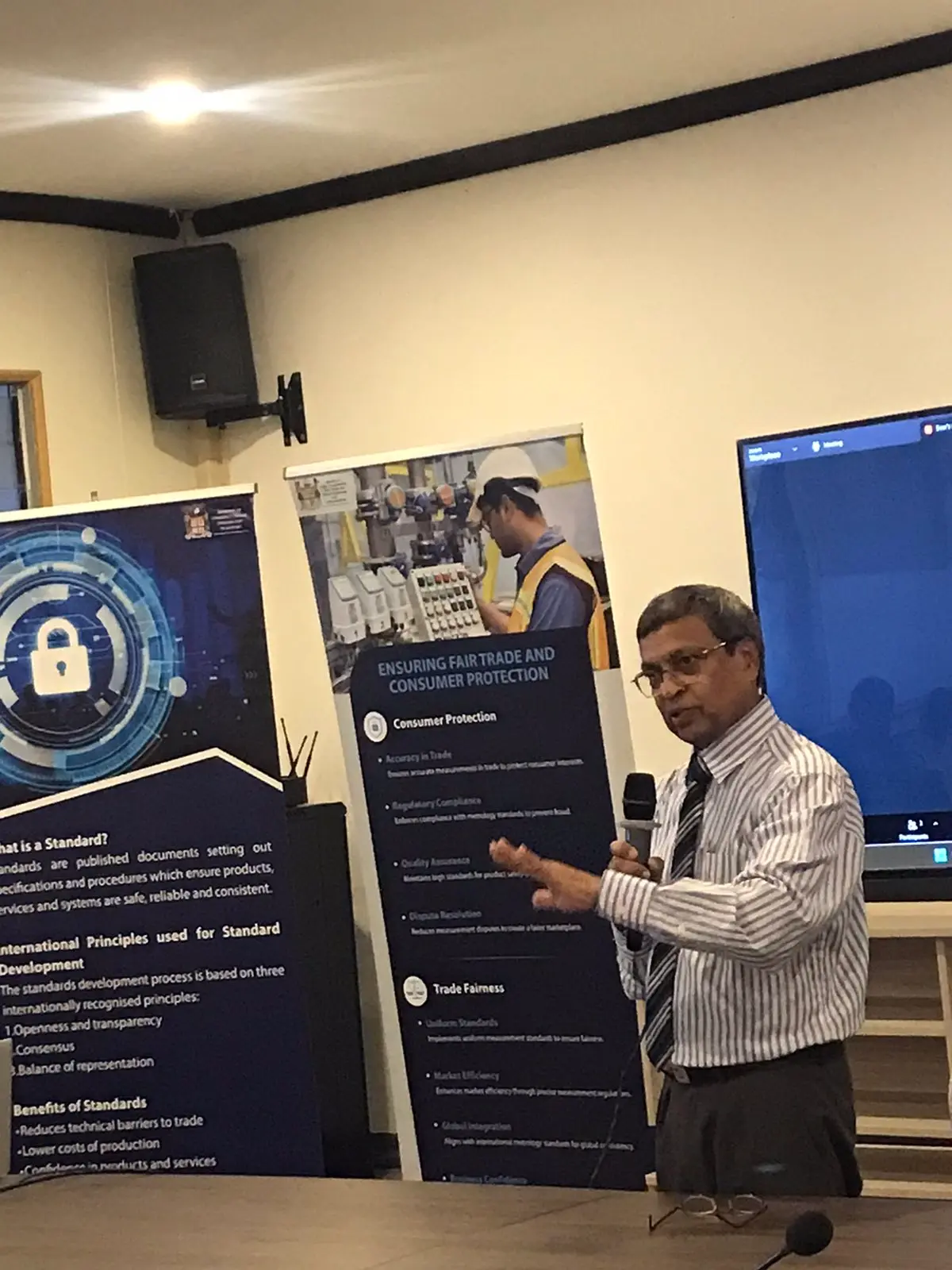
Lead advisor for the development and implementation of the Pacific Quality Infrastructure Initiative, Beer Budoo during the consultation on March 10, 2026.
Photo: Lavenia Waqanivanua
Fiji is taking steps to ensure products and services are safe and reliable.
Consultations on the proposed National Quality Policy are underway to strengthen standards and boost trade.
The consultation was held today at the Yue Lai Hotel in Suva and brought together government agencies, regulators, businesses, and consumer representatives to review how Fiji’s quality infrastructure system operates.
Related stories
Lead Advisor for the development and implementation of the Pacific Quality Infrastructure Initiative, Beer Budoo, said the discussions were part of efforts to assess whether the country’s standards, testing, and certification systems were functioning effectively and aligned with international guidelines.
He explained that Fiji relies on several institutions that form part of its quality infrastructure system, including standards bodies, testing laboratories, certification companies, and inspection agencies responsible for ensuring products and services meet required standards.
“Very often we have national standards bodies, metrology institutions, and ministries that prepare technical regulations and enforce them. All of these operate to make sure that standards are complied with and that products are safe for consumers,” Mr Budoo said.
He added that the National Quality Policy would provide a roadmap to improve how these institutions work together and identify areas where the system could be strengthened.
Many of the country’s laws and regulatory bodies were established at different times, which can sometimes result in overlaps or gaps in responsibilities. “For example, in areas such as food safety, the Ministry of Agriculture deals with issues like pesticide use, while the Ministry of Health ensures the food is safe for consumption,” he said.
“When several organisations are involved in the same area, there can sometimes be overlaps, or there may be gaps where certain responsibilities are not clearly addressed.”
The consultation process aims to gather feedback from stakeholders so their views can be included in the development of the policy.
Mr Budoo said strengthening Fiji’s quality infrastructure system would benefit consumers by ensuring the safety and reliability of products and services.
“If we go to a medical laboratory, we have to trust that the results we receive are correct. The products we buy must also meet safety and quality standards,” he said.
The initiative would also support Fiji’s economic development by improving the credibility of locally produced goods in international markets. When exporting products, he said, importing countries must be able to trust testing and certification issued in Fiji.
“If the certificates from laboratories are recognised internationally, then the products do not need to be tested again when they reach another country,” he said.
This would reduce delays, particularly for perishable goods, and help exporters avoid potential losses.
The National Quality Policy is expected to guide improvements in Fiji’s quality infrastructure system once it is finalised and implemented.