FICAC opposes Charters’ overseas travel bid
During proceedings, FICAC lawyer Rusiate Diroiroi told the court that the defence had not provided absolute assurance that Charters would return to Fiji.
Tuesday 03 March 2026 | 12:00

The Fiji Independent Commission Against Corruption (FICAC) has maintained a strong objection to Charlie Charters’ application to travel overseas, arguing that he has limited ties to ensure his return to Fiji.
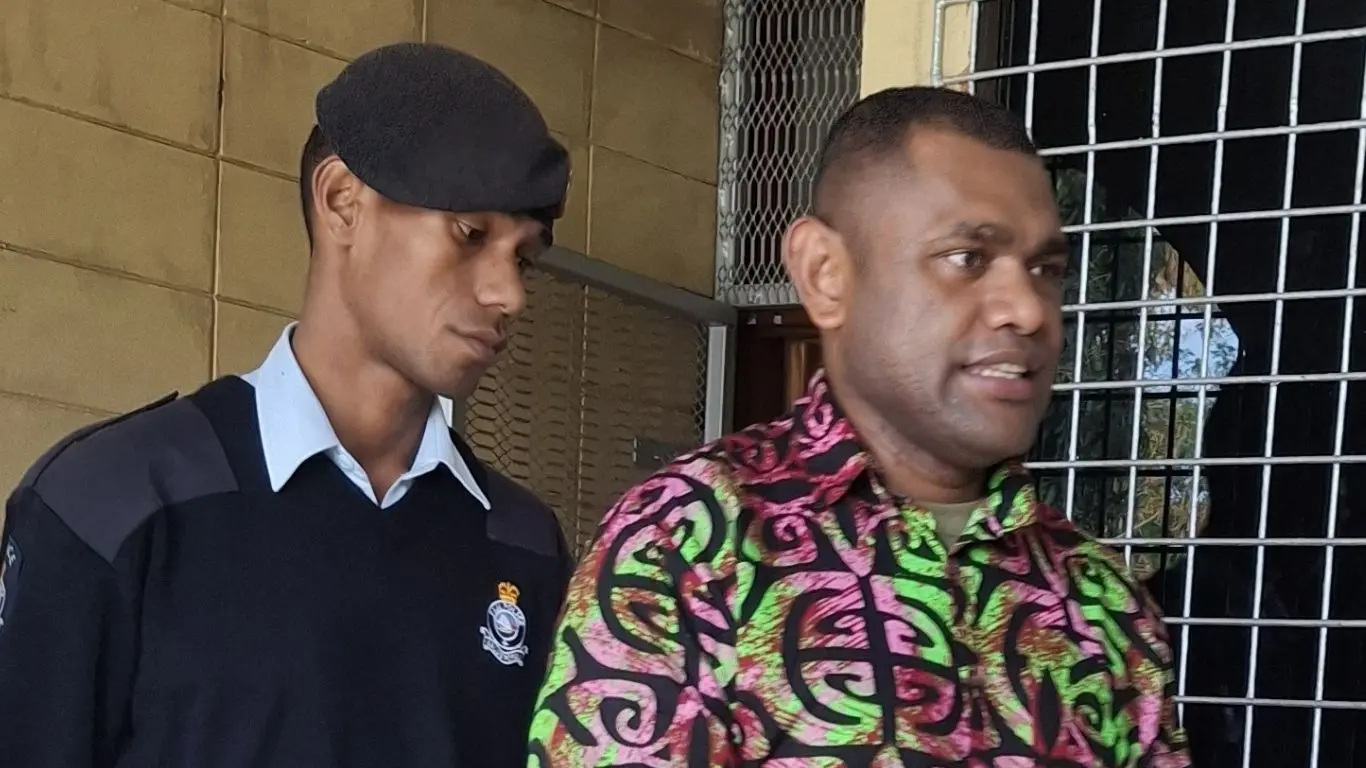
Charters, a former journalist and sports marketing expert, appeared with lawyers Seforan Fatiaki and Juleen Fatiaki before the Suva Magistrate Court this morning for his bail variation hearing.
He is seeking the court’s approval to travel to Australia for work purposes.
Related stories
During proceedings, FICAC lawyer Rusiate Diroiroi told the court that the defence had not provided absolute assurance that Charters would return to Fiji.
Mr Diroiroi said Charters held both Fijian and United Kingdom passports, which increased the probability of him fleeing and not returning. He added that Charters had children residing in Australia and was employed as Head of Sales for an Australian company, Match Hospitality.
He said Charters’ marriage to Vanessa Charters, daughter of the late Hot Bread Kitchen founder Mereseini Samisoni, was not a sufficient guarantee to keep him in Fiji.
In earlier submissions, Mr Fatiaki presented a letter from Charters’ employer stating the need for his presence at the AFC Women’s Asian Cup 2026™ official hospitality programme, which began in Perth, Australia, on Sunday.
He cited section 19 (2)(b)(4) of the Bail Act 2002, which requires the court to consider the nature of the offence and the strength of the prosecution’s case when determining bail matters.
Mr Fatiaki said FICAC had yet to identify the whistleblower and that to proceed with the charge, the prosecution would need to prove that Charters aided and abetted the FICAC employee.
Mr Diroiroi argued that the tournament had already started without Charters, which diminished the necessity of his travel.
Mr Fatiaki countered that while the defence had complied with court processes, the employer’s letter clearly demonstrated that the travel was employment-related.
He added that Charters had proposed sureties with long-standing relationships and standing within the community.
In the worst-case scenario, Mr Fatiaki said his client could be tried in absentia.
FICAC has until close of business today to file further submissions, while Mr Fatiaki is to provide the court with Charters’ itinerary.
A ruling on the application will be delivered tomorrow at 10.30am.
Charters remains on bail.