Opposition MP says Govt spending threatens long-term economic growth
Opposition MP Koroilavesau calls for stronger fiscal discipline, private sector investment and greater transparency.
Thursday 16 July 2026 | 13:00

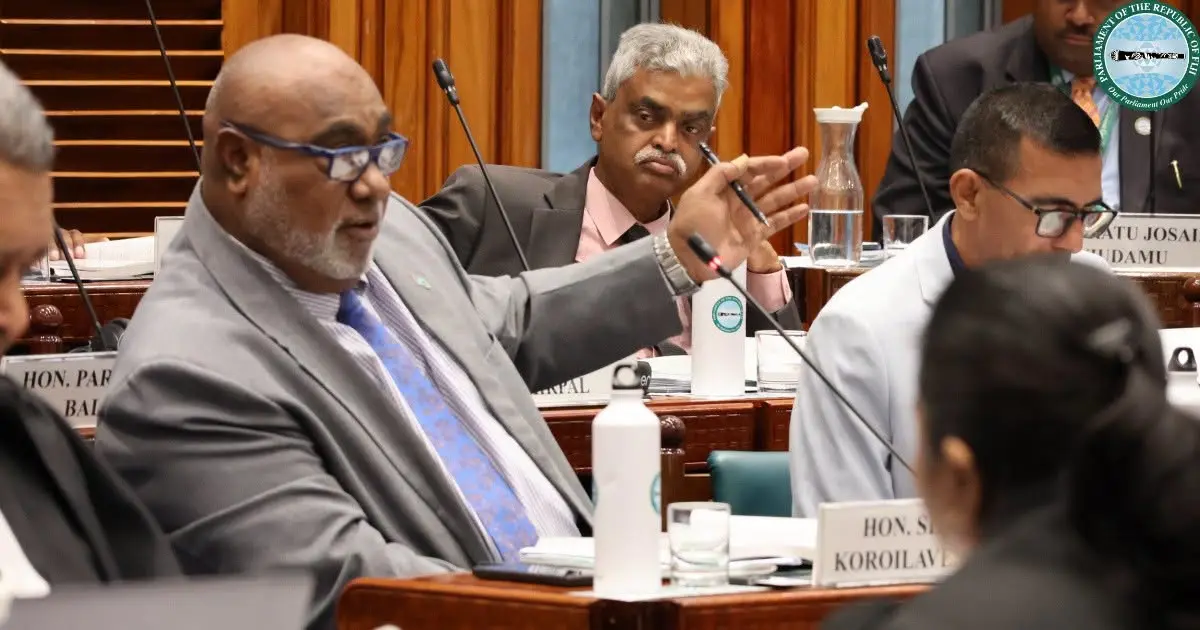
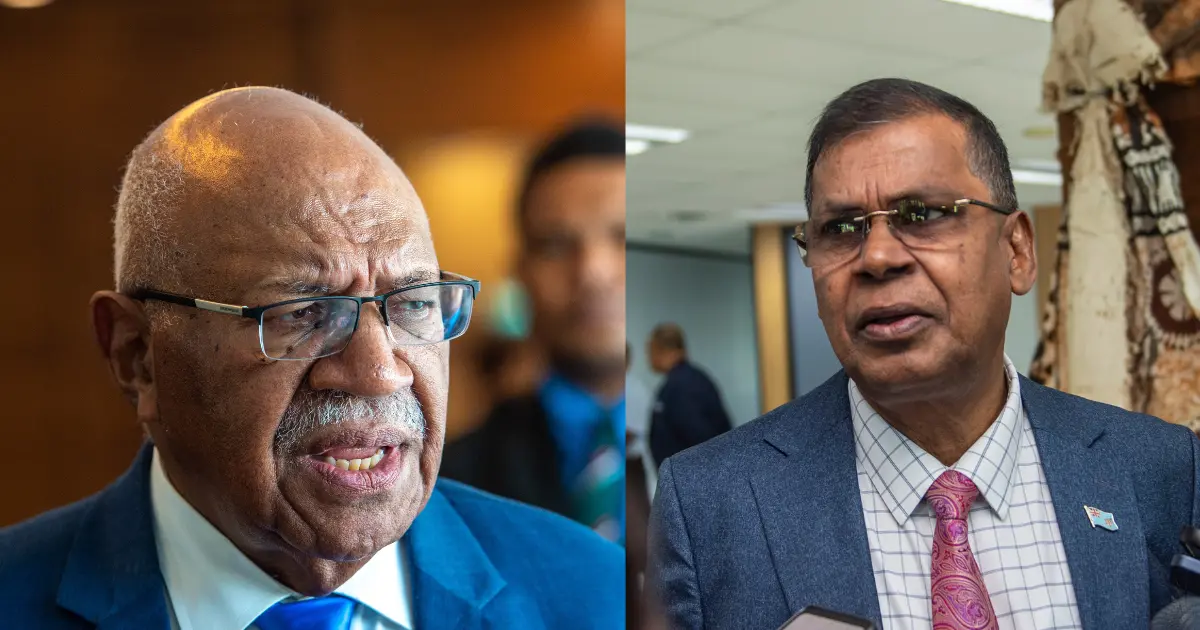
Opposition Member of Parliament Semi Koroilavesau in Parliament on July 16, 2026.
Photo: Parliament of Fiji
Opposition Member of Parliament Semi Koroilavesau has warned the Coalition Government's 2026-2027 National Budget risks pushing Fiji towards unsustainable debt, arguing excessive government spending and weak fiscal management are limiting investment and economic growth.
Speaking during the Budget debate in Parliament, Mr Koroilavesau said Fiji's current economic challenges were predictable and accused the Coalition Government of focusing on politics instead of strengthening the economy.
He said Fiji's rising public debt remained the country's biggest economic challenge.
Related stories
Citing figures presented during the debate, Mr Koroilavesau said public debt had increased from about $4 billion to almost $12 billion, with the debt-to-gross domestic product (GDP) ratio approaching 85 per cent.
"How did we get here? It is very simple," he said, claiming government spending had grown much faster than revenue.
Mr Koroilavesau said Government expenditure had increased from about $3 billion to $4.8 billion, with more than 80 per cent of the Budget allocated to operating costs rather than capital investment.
He also claimed annual debt-servicing costs had almost doubled to about $600 million.
Mr Koroilavesau criticised the size of the public sector, claiming the civil service now employed more than 10,000 workers at a cost of more than $2.3 billion a year.
He said about $6 million a day was spent on salaries and another $3 million on operating expenses, including vehicles, fuel, office space and travel.
"We are spending $9 million every single day just to keep the machinery of this bureaucracy breathing," he said.
Mr Koroilavesau argued the high operating costs had reduced funding available for infrastructure and other long-term development projects.
He called for greater private sector investment, saying Government should focus on creating an environment that encouraged business growth, investment and job creation.
"Government's role should be to remove barriers to productivity and competitiveness," he said.
Mr Koroilavesau also questioned Government claims that $8 billion in investment projects were in the pipeline.
"As a member of the Standing Committee on Economic Affairs, the investment pipeline is worrying because many of those projects have remained in the pipeline," he said.
He argued tax changes introduced since 2023 had increased Government revenue but had also contributed to inflation and higher living costs.
Mr Koroilavesau said middle-income earners had carried much of the burden while receiving little relief.
"We are spending $9 million every single day just to keep the machinery of this bureaucracy breathing; meanwhile, our roads and water systems are crumbling from a lack of total structural maintenance," he said.
"Our civil servants, our teachers, our nurses, our technical officers, our small business owners, the very backbone of Fiji; these are the people who do not qualify for social welfare handouts, yet they are the ones bearing the heaviest tax burden of this entire nation.
"The Government has squeezed them dry for the last two years with aggressive taxes, and now they want to offer crumbs in an election year and call it economic stimulus.
"What an absolute sample of disrespect."
Mr Koroilavesau warned Fiji could face serious financial difficulties if borrowing continued to increase.
He also called for closer scrutiny of Government-backed projects and guarantees, including the proposed Wailoa project, which he claimed could add about $400 million to the national debt.
Mr Koroilavesau urged the Government to strengthen fiscal discipline, improve transparency and place greater emphasis on long-term economic sustainability.